An IP KVM (Keyboard, Video, Mouse) host is a dedicated hardware device that provides remote access and control over servers and IT infrastructure. It functions independently of the target server's operating system or network status, allowing administrators to perform BIOS-level configuration, troubleshoot boot failures, and manage systems even when they are powered off or unresponsive. This makes IP KVM hosts a critical tool for data centers, server rooms, and remote IT management.
Key specifications for an effective IP KVM host include robust connectivity, reliable power delivery, and secure remote access protocols. Essential technical features often involve multiple video input ports (like HDMI or VGA) to connect to different servers, USB ports for peripheral pass-through, and dual Gigabit Ethernet ports for network redundancy and out-of-band management. Security is paramount, with support for encryption standards like AES-256 and authentication methods such as LDAP/AD integration to protect access.
Primary Use Cases and Applications:
-
Data Center Management: Remotely reboot, configure, and monitor servers from any location, reducing the need for physical presence.
-
Disaster Recovery: Access and control servers during network outages or OS failures to initiate recovery procedures.
-
Multi-Platform IT Environments: Manage heterogeneous hardware (servers, switches, routers) from a single, centralized interface.
-
Secure Access: Provide encrypted, role-based access for IT staff without compromising the security of the managed infrastructure.
Choosing the Right Hardware Platform: While dedicated IP KVM appliances exist, a compact, reliable industrial computer or mini PC can serve as a highly customizable and cost-effective IP KVM host. The ideal platform should offer stable performance, fanless cooling for silent 24/7 operation in server racks, and flexible I/O to connect KVM-over-IP switch hardware.
| Feature | Importance for IP KVM Host |
|---|---|
| Processor | Low-power, efficient CPUs (e.g., Intel N-series, Celeron) are sufficient for hosting the KVM software and network traffic. |
| Memory (RAM) | 4GB to 8GB is typically adequate for the host OS and management software. |
| Storage | 128GB SSD provides ample space for the host operating system and logs. |
| Ethernet Ports | Dual Gigabit ports are highly recommended for separating management traffic from production networks or for redundancy. |
| Form Factor | Mini PC or small Industrial PC formats are ideal for rack or shelf mounting in dense environments. |
| Operating System | A lightweight, stable OS like Linux is common, though Windows is also supported by many KVM software solutions. |
Thinvent Solutions for IP KVM Hosting
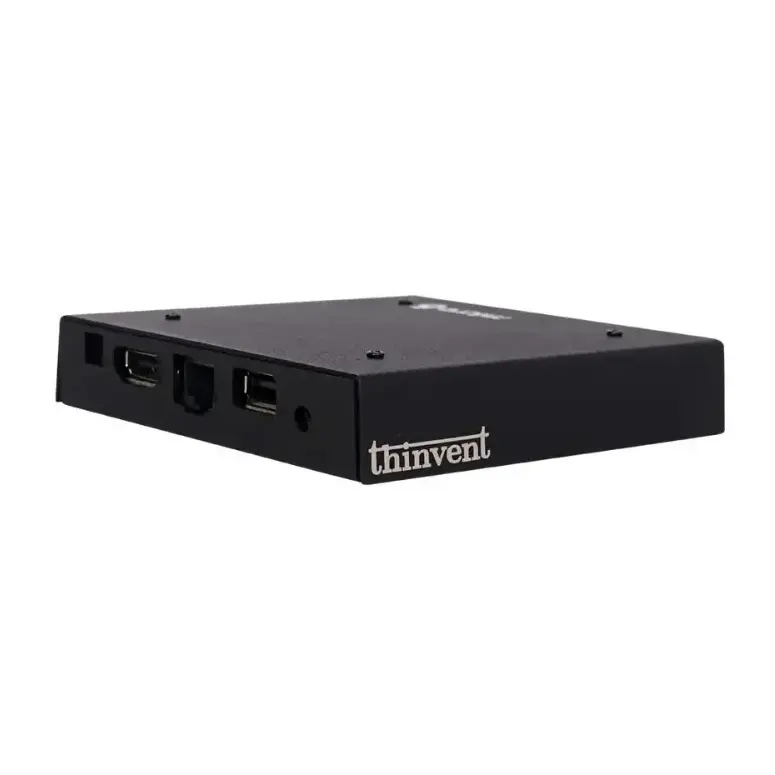
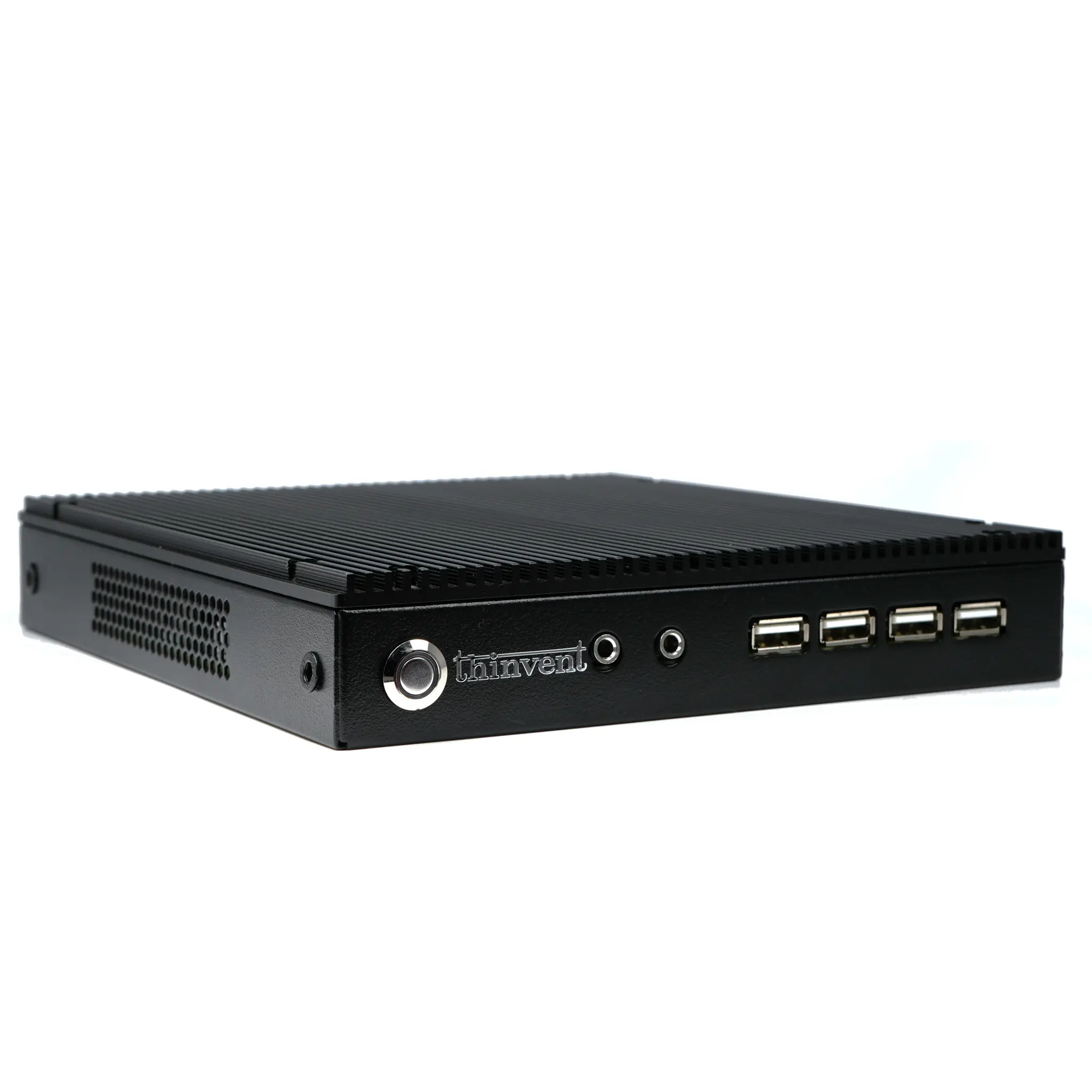
Thinvent's range of industrial mini PCs and compact computers are perfectly suited to be deployed as dedicated IP KVM hosts. Models like the Thinvent Treo Mini PC and Thinvent Industrial PC IPC1, powered by the efficient Intel N100 processor, offer the perfect blend of low power consumption, reliable fanless operation, and essential connectivity. For environments requiring enhanced performance or running additional virtualization, the Thinvent Aero Mini PC with Intel Core i3 or i5 processors provides more computational headroom. Key advantages of using a Thinvent system include robust metal chassis for durability, wide operating temperature ranges for challenging environments, and flexible configuration options for memory, storage, and operating systems to match your specific KVM software requirements.