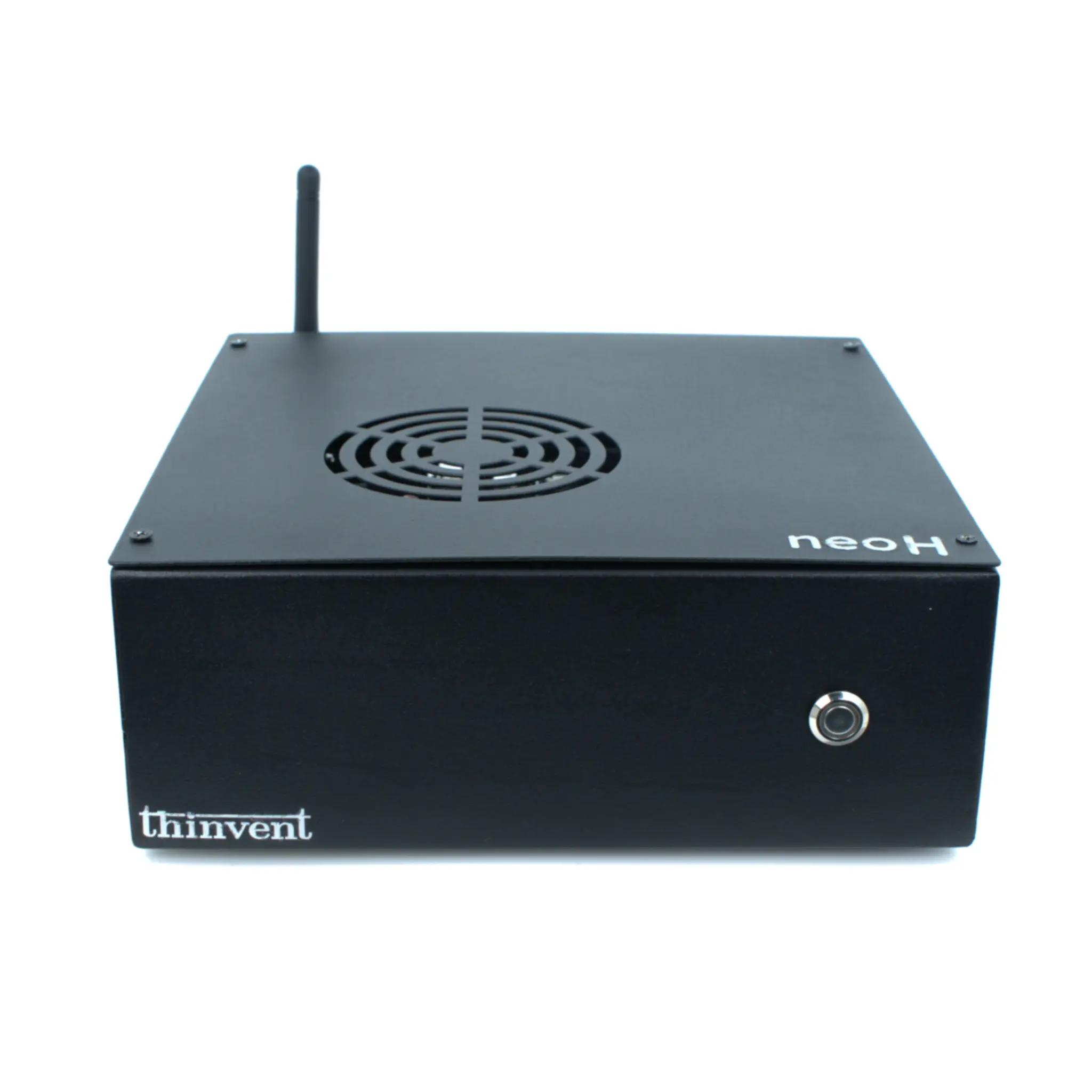
What Are Industrial Computers?
Industrial computers are specialized computing systems designed for deployment in demanding environments where standard commercial PCs would fail. They are engineered for reliability, longevity, and stable operation under conditions involving extreme temperatures, dust, moisture, vibration, and continuous 24/7 operation. Unlike consumer-grade hardware, these systems prioritize durability and consistent performance over raw processing power, making them the backbone of automation, control, and monitoring systems worldwide.
Key Specifications and Technical Details
Industrial computers are defined by several critical specifications that ensure their robustness. A core feature is fanless cooling, which eliminates moving parts prone to failure and prevents dust ingress. They are built with industrial-grade components that support wide operating temperature ranges, often from -20°C to 60°C or beyond. For connectivity, they feature multiple Gigabit Ethernet ports for network redundancy, a variety of USB ports (including USB 3.2 and Type-C) for peripherals, and display outputs like HDMI for multi-monitor setups. They support a broad range of operating systems, from Windows 11 IoT/Pro to Ubuntu Linux and embedded OS options, providing flexibility for different software ecosystems. Power input is typically wide-range DC (e.g., 9-36V), allowing for direct connection to industrial power sources.
Common Use Cases and Applications
These rugged systems are deployed across numerous sectors. In Industrial Automation, they serve as PLCs, HMIs, and machine vision controllers on the factory floor. For Digital Signage and Kiosks, they power interactive displays in retail, transportation hubs, and public spaces. The Transportation sector utilizes them in-vehicle for fleet management, ticketing, and surveillance. They are also essential in Edge Computing and IoT Gateways, collecting and processing data from sensors in remote locations. Their reliability makes them ideal for Critical Infrastructure monitoring in utilities, oil & gas, and telecommunications.
Comparison: Industrial vs. Commercial Computers
| Feature | Industrial Computer | Commercial Desktop PC |
|---|---|---|
| Operating Temperature | Wide range (e.g., -20°C to 60°C) | Narrow (typically 5°C to 35°C) |
| Cooling System | Fanless, passive heat dissipation | Active cooling with fans |
| Build Quality | Metal chassis, shock/vibration resistant | Plastic/metal, for static environments |
| Component Lifespan | 5-7+ years, long-term availability | 1-3 years, rapid refresh cycles |
| Power Supply | Wide-range DC input (9-36V) | Standard AC input |
| Primary Use Case | 24/7 operation in harsh conditions | Office, gaming, general consumer use |
Thinvent Industrial Computing Solutions
Thinvent offers a comprehensive range of industrial-grade computing solutions designed for reliability. Our product lineup includes compact Mini PCs and Thin Clients perfect for space-constrained installations, versatile All-in-One panels for integrated display and computing, and robust Industrial PCs for the most demanding control applications. Featuring the latest Intel processors, including efficient N-series and powerful Core i-series chips, our systems come with configurable memory, storage, and operating systems to match your exact project requirements. Engineered for silent, fanless operation and built to last, Thinvent computers provide a dependable computing foundation for your industrial and commercial applications globally.