Korean Computer Manufacturers: An Overview
South Korea is a global leader in electronics manufacturing, home to some of the world's most recognized technology brands. While these large corporations are renowned for consumer electronics, the Korean industrial computing sector is characterized by advanced manufacturing capabilities, high-quality components, and a focus on innovation in compact and efficient designs. These manufacturers often specialize in producing key hardware like memory, storage, and displays, which are integral to computing systems worldwide. The industrial computers from this region are known for their reliability, energy efficiency, and integration into complex digital ecosystems, from smart factories to digital signage networks.
Key Specifications and Architecture
Industrial computers from leading Korean manufacturers typically leverage two primary processor architectures: ARM-based systems-on-a-chip (SoCs) and Intel x86 processors. ARM designs, like the Cortex-A53 and A55, prioritize ultra-low power consumption and thermal efficiency, making them ideal for always-on, embedded applications. In contrast, Intel processors, ranging from the efficient N-series to powerful Core i5 and i7 chips, provide higher computational performance for demanding tasks. Common specifications across these platforms include onboard eMMC or SSD storage, DDR4 RAM, and robust connectivity options like dual-band WiFi, multiple USB ports, and HDMI outputs. The choice between ARM and x86 often dictates the operating system, with Linux variants like Thinux™ or Ubuntu being common for ARM and embedded use, while Windows 11 IoT or Pro is typical for Intel-based systems.
Industrial Applications and Use Cases
The diverse product range caters to specific industrial and commercial needs. Low-power ARM-based thin clients and mini PCs are perfect for digital signage, kiosks, and lightweight desktop virtualization. Intel N-series processors power general-purpose industrial PCs for edge computing, IoT gateways, and light control systems. More powerful Intel Core i3, i5, and i7 configurations are deployed for machine vision, automation control, data acquisition, and as ruggedized workstations in harsh environments. This tiered approach allows businesses to select a computer with the exact performance profile needed, avoiding over-specification and managing total cost of ownership.
| Processor Type | Typical Cores | Key Strengths | Ideal Use Cases |
|---|---|---|---|
| ARM Cortex (A53/A55) | 4 | Ultra-low power, fanless, cost-effective | Digital Signage, Thin Clients, Basic Kiosks |
| Intel Processor N-series | 4 | Efficient performance, low thermal design | Edge IoT, Light Industrial Control, Compact PCs |
| Intel Core i3/i5 U-series | 6-12 | Balanced performance & efficiency | Automation, POS Systems, Advanced Kiosks |
| Intel Core i5 P-series | 12+ | High performance for demanding tasks | Machine Vision, Data Analytics, Rugged Workstations |
Thinvent's Range of Industrial Computing Solutions
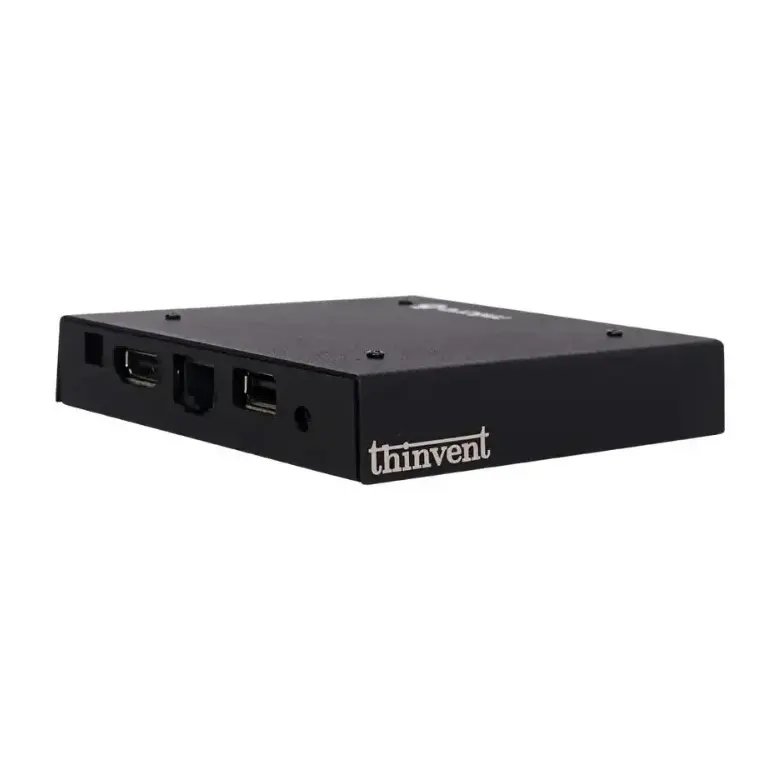
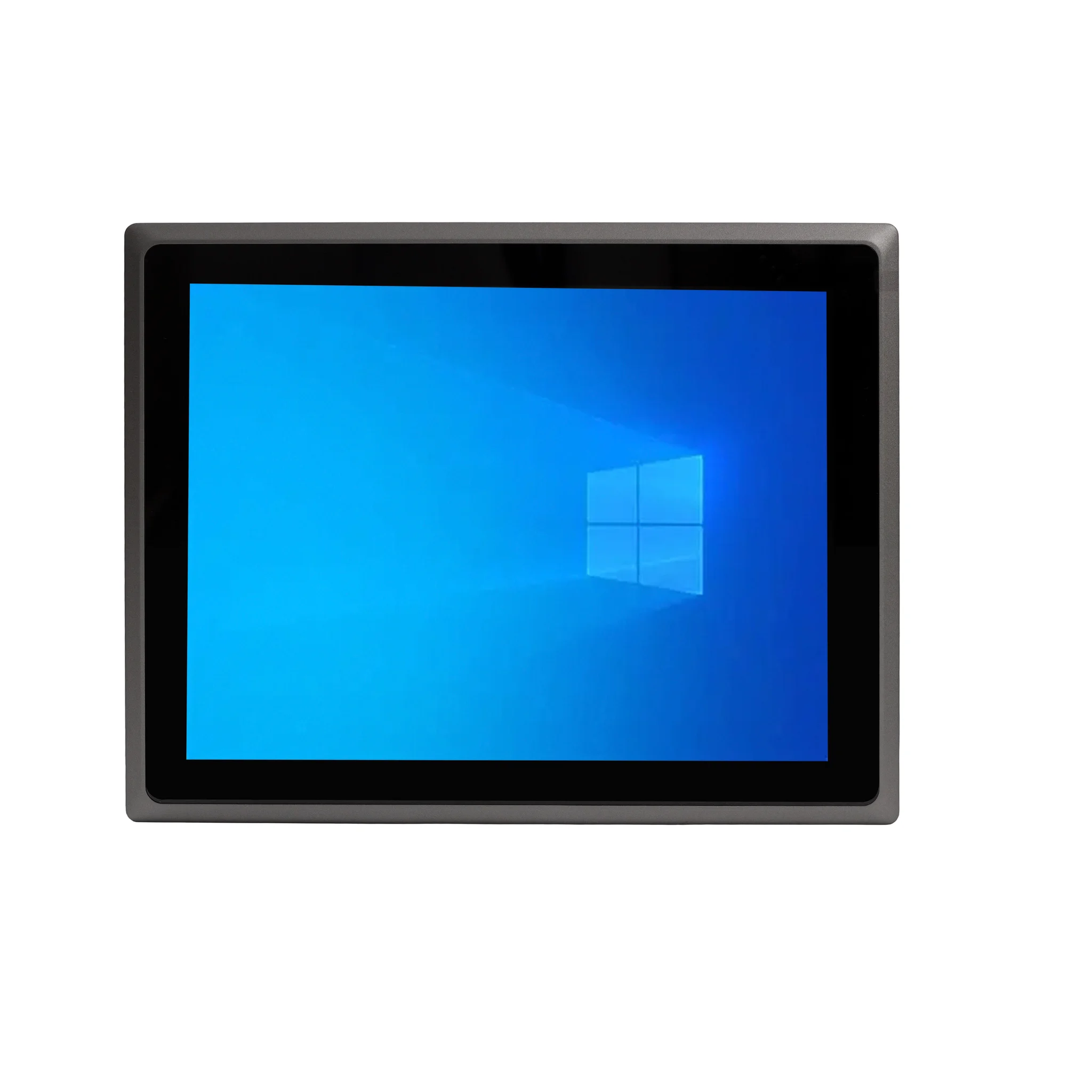
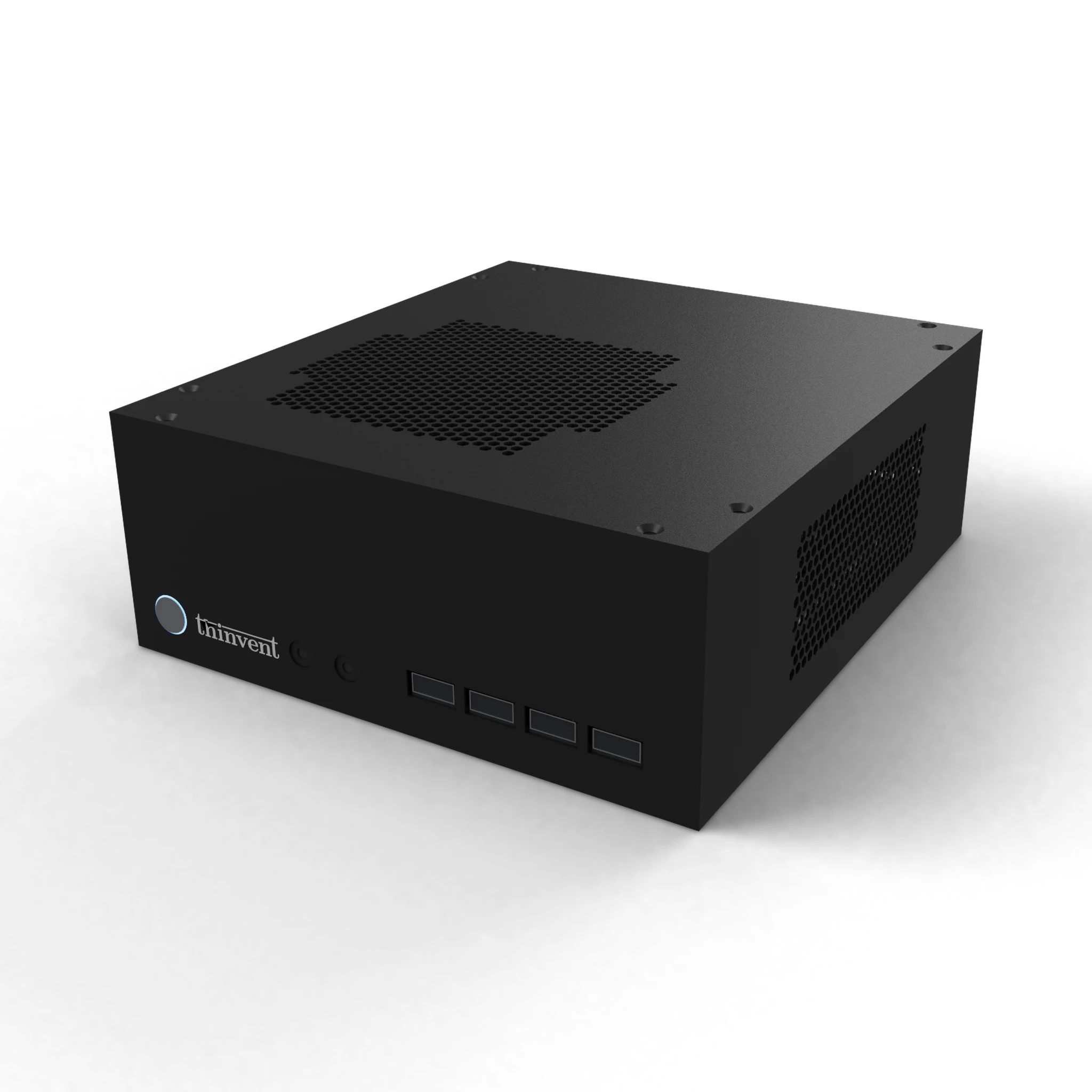
Thinvent offers a comprehensive portfolio of industrial computers that embody the design principles and reliability associated with advanced manufacturing. Our product lines, such as the Micro Series with ARM processors, the Treo and Aero Mini PCs, and the robust Industrial PC (IPC) series, provide scalable solutions for global industrial applications. From the fanless, low-power Micro 5 WiFi Thin Client for simple display tasks to the high-performance IPC5 with an Intel Core i5-1250P for complex automation, Thinvent ensures robust construction, stable operation, and support for both Linux and Windows environments. We enable businesses to deploy reliable computing power at the edge, in the office, or on the factory floor, with a focus on durability, connectivity, and long-term value.