Understanding Industrial LCD Monitor Pricing
Industrial LCD monitor prices are determined by a combination of technical specifications, build quality, and features designed for 24/7 operation. Unlike consumer-grade displays, industrial monitors prioritize reliability, durability, and compatibility with industrial computing systems. Key factors influencing cost include screen size, resolution, panel technology (IPS for wide viewing angles), brightness (nits), touchscreen capability, and ingress protection (IP) ratings for dust and water resistance. Additional features like wide operating temperature ranges, metal enclosures, and support for panel-mount or VESA mounting also contribute to the value proposition.
Key Specifications and Technical Details
When evaluating an industrial LCD monitor, several core specifications are critical. Screen sizes typically range from compact 10-inch displays to large 55-inch panels, with common industrial sizes being 15.6", 21.5", and 23.8". Resolution options include Full HD (1920x1080) and 4K UHD (3840x2160). Brightness levels of 250-300 nits are standard for indoor use, while outdoor or high-ambient-light applications may require 1000 nits or more. Connectivity is paramount, with industrial monitors offering a range of inputs such as HDMI, DisplayPort, VGA, and sometimes legacy interfaces like DVI. Many models also feature USB ports for touchscreen functionality or peripheral connection.
Use Cases and Applications
Industrial LCD monitors are deployed in environments where standard displays would fail. Common applications include:
-
Digital Signage & Kiosks: For retail, transportation hubs, and corporate lobbies, requiring long runtimes and high brightness.
-
Factory Automation & HMI: As human-machine interfaces on production lines, needing resistive or capacitive touchscreens for operator input.
-
Medical & Laboratory Equipment: Where cleanability and compliance with specific standards are essential.
-
Control Rooms & Command Centers: For surveillance and process monitoring, often in multi-display configurations.
-
Point-of-Sale (POS) Systems: In restaurants and retail, demanding compact form factors and reliability.
Comparison of Monitor Types
| Feature | Consumer Monitor | Commercial Monitor | Industrial Monitor |
|---|---|---|---|
| Operating Hours | 8-12 hours/day | Up to 16 hours/day | 24/7 continuous |
| Build Quality | Plastic chassis | Reinforced plastic | Metal chassis, ruggedized |
| Temperature Range | 5°C to 35°C | 0°C to 40°C | -20°C to 60°C (typical) |
| Lifecycle Support | 1-2 years | 3-5 years | 5-7+ years |
| Primary Use Case | Home/Office | Retail/Office | Harsh, mission-critical environments |
Thinvent Industrial Computing Solutions
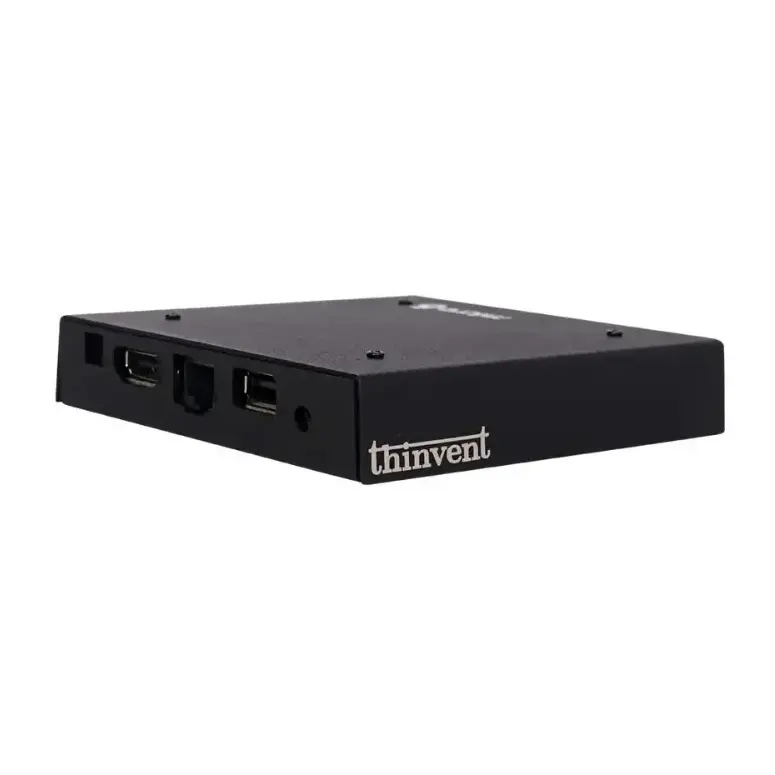
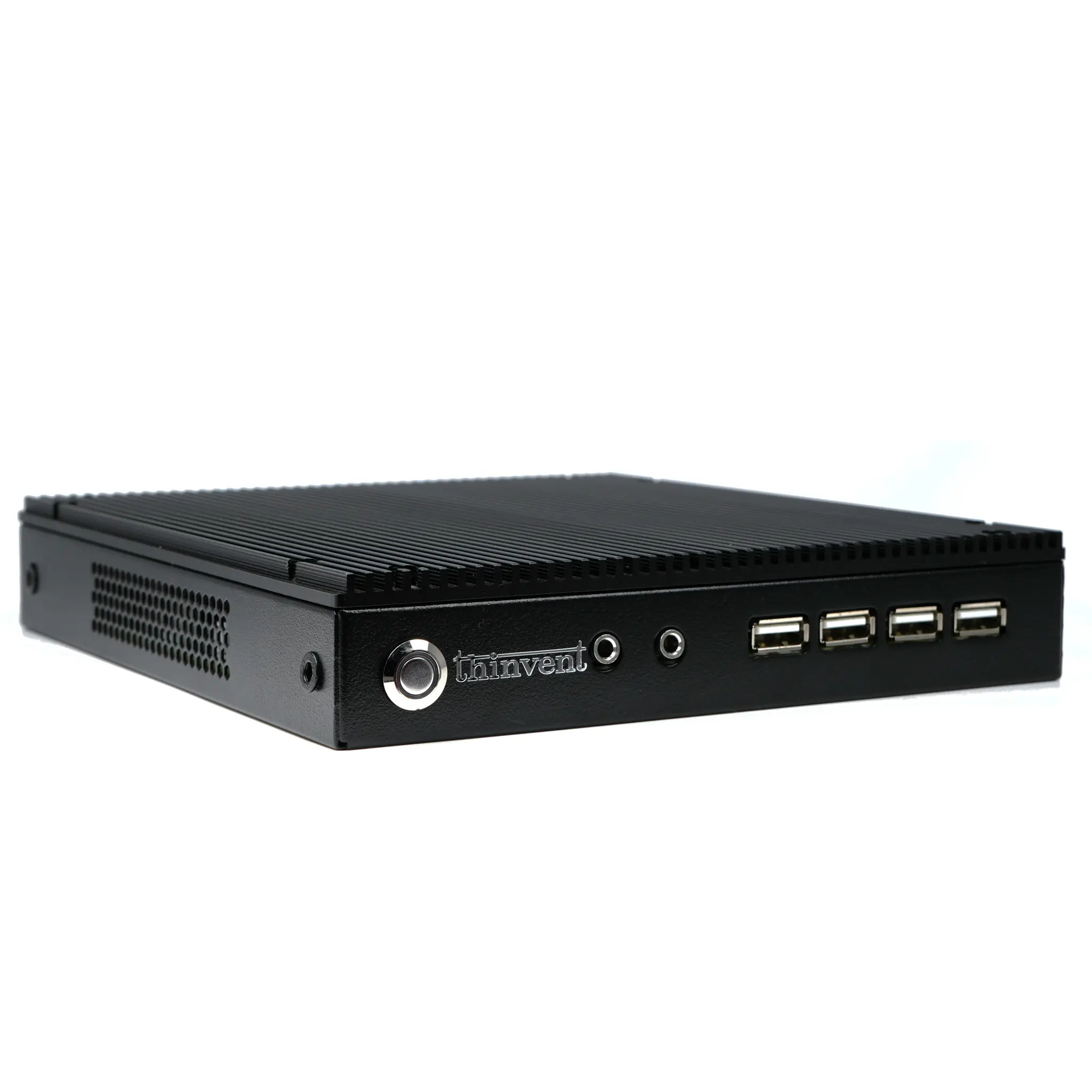
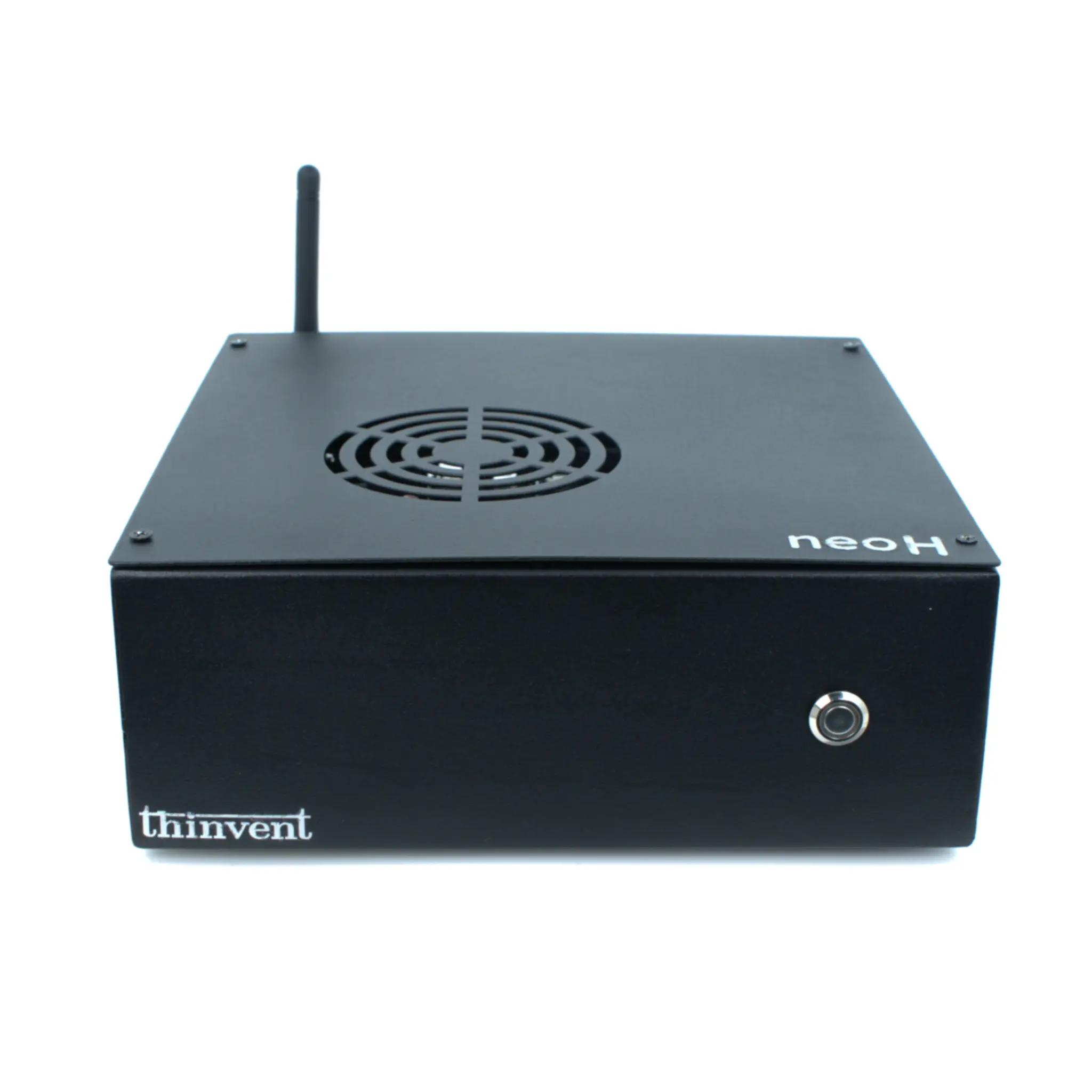
While Thinvent specializes in robust industrial computers like fanless Mini PCs and All-in-One systems, our solutions are designed for seamless integration with a wide range of industrial LCD monitors. Our computers provide the reliable computing power needed to drive digital signage, HMIs, and control room displays. Featuring a variety of processor options from Intel's efficient N-series to powerful Core i-series, ample RAM, and solid-state storage, Thinvent systems ensure smooth visual output and stable operation. With multiple video outputs (HDMI, DisplayPort via USB-C) and support for extended temperature ranges, they form the perfect core for any industrial display application, from a single kiosk to a multi-screen video wall.