Understanding Compact Desktop PCs
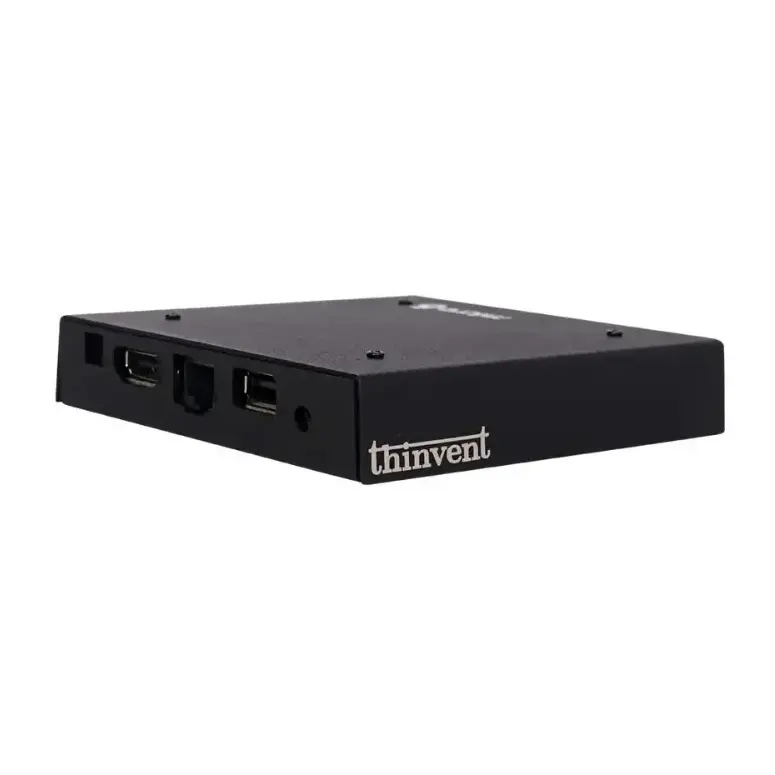
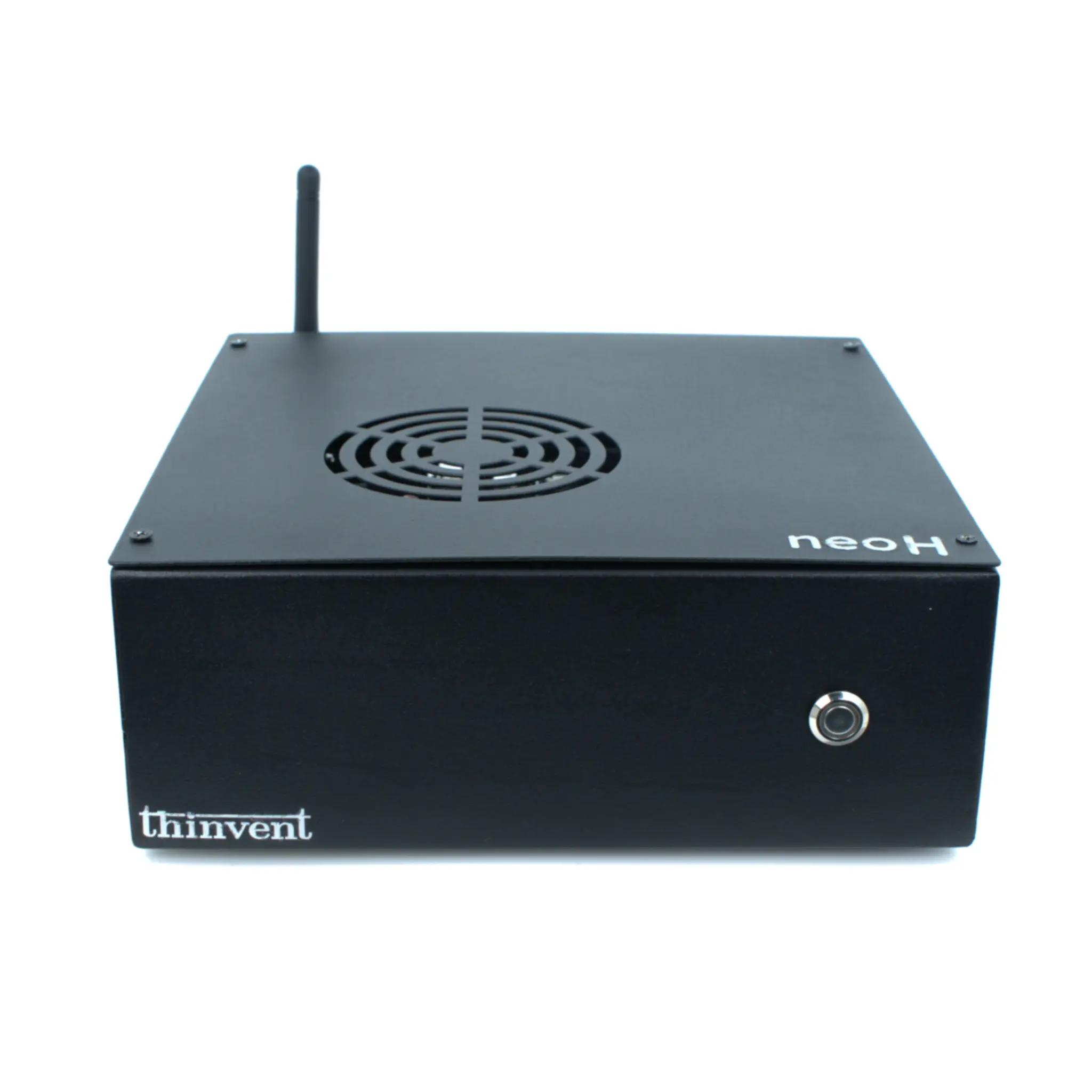
A compact desktop PC, often referred to as a mini PC or small form factor (SFF) desktop, is a space-saving computer that delivers the core functionality of a traditional tower in a significantly smaller footprint. These systems are designed for environments where space is at a premium, energy efficiency is critical, and reliable performance is required for business, industrial, and embedded applications. Unlike bulky desktops, they often feature fanless designs for silent operation and enhanced durability in demanding conditions.
Key Specifications and Technical Details
Modern compact desktops are powered by efficient processors from brands like Intel, offering a balance of performance and low power consumption. Key specifications to consider include:
-
Processor: Options range from entry-level Intel Celeron and N-series chips (e.g., N100, N95) for basic tasks to more powerful Intel Core i3, i5, and i7 processors for demanding applications.
-
Memory (RAM): Configurations typically start at 4GB or 8GB for light-duty use, scaling up to 16GB, 32GB, or more for multitasking and specialized software.
-
Storage: Solid State Drives (SSDs) from 128GB to 1TB or more provide fast boot times and responsive application loading.
-
Connectivity: Standard features include Gigabit Ethernet, multiple USB ports (including USB 3.2 and USB-C), HDMI/DisplayPort outputs for dual monitors, and optional Wi-Fi.
-
Form Factor: The primary advantage is the small size, often not much larger than a book, allowing for VESA-mount installation behind monitors or in tight spaces.
Use Cases and Applications
The versatility of compact desktops makes them suitable for a wide array of scenarios:
-
Digital Signage & Kiosks: Reliable, always-on operation for retail displays, information points, and interactive terminals.
-
Office Productivity: Ideal for general office work, web browsing, email, and video conferencing in space-constrained workspaces.
-
Industrial Automation: Their rugged, often fanless design makes them perfect for factory floors, control rooms, and IoT gateways where dust and vibration are concerns.
-
Thin Client & Virtual Desktop Infrastructure (VDI): Can be configured as endpoints for accessing centralized virtual desktops and applications.
-
Home & Entertainment: Serve as a discreet media center or home server.
Comparison: Compact Desktop vs. Traditional Tower
| Feature | Compact Desktop PC | Traditional Tower Desktop |
|---|---|---|
| Size & Footprint | Extremely small (often < 1L volume) | Large, requires significant desk/floor space |
| Power Consumption | Typically 10W - 65W, very energy-efficient | 65W - 800W+, higher energy use |
| Noise Level | Often fanless or near-silent | Audible fan noise, especially under load |
| Upgradeability | Limited; often RAM and storage only | Highly upgradeable (GPU, RAM, storage, etc.) |
| Deployment | Easy to mount/hide; ideal for fixed-function | Best for stationary, accessible desk use |
| Typical Use Case | Business, industrial, embedded, space-saving | Gaming, high-end workstations, general home use |
Thinvent's Compact Desktop Solutions
Thinvent specializes in robust, industrial-grade compact desktop computers engineered for 24/7 reliability. Our range includes fanless Mini PCs and small form factor systems built with quality components for long-term deployment in commercial and industrial settings. Featuring the latest Intel processors, multiple operating system choices (including Windows, Linux, and our own Thinux™), and flexible I/O configurations, Thinvent PCs are designed to outperform in demanding environments where standard consumer desktops may fail. Explore our catalog for a durable, space-efficient alternative to conventional desktop computers.