What Are Mass Computer Systems?
Mass computer systems are standardised computing fleets deployed in volume — dozens, hundreds or thousands of identical units rolled out across offices, labs, campuses, factories and service counters. The goal is not raw peak performance on a single machine, but predictable behaviour across the whole fleet: one hardware configuration, one operating system image, one management workflow. When every unit is identical, provisioning, patching, troubleshooting and replacement become repeatable processes rather than one-off projects.
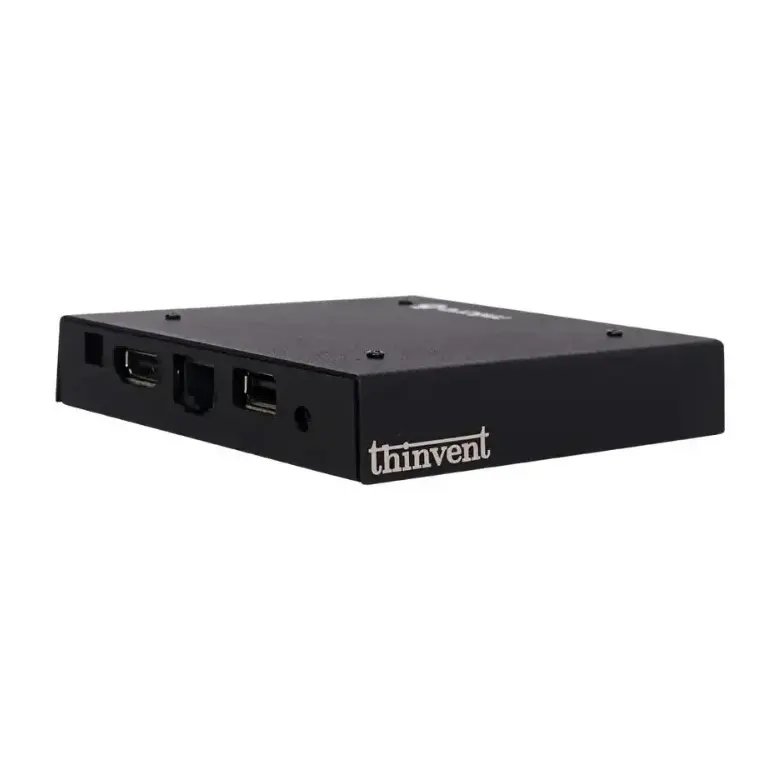
Building a mass deployment starts with choosing a form factor that fits the physical environment. Desktop mini PCs suit general office and back-office roles, thin clients are ideal where users only need a browser or remote desktop session, all-in-one PCs remove cable clutter on customer-facing desks, and industrial PCs handle dusty, hot or vibration-prone floors. Whatever the form factor, the specification should be locked down so that spare units can be swapped in without re-imaging or retraining.
Key Specifications That Matter at Scale
For fleet computing, the specification priorities differ from a single high-end workstation. A modern low-power or mid-range Intel® processor (such as an N100, N150 or Core™ i3-1215U) delivers enough responsiveness for browsers, ERP clients, point-of-sale software and remote sessions while keeping power draw and heat output low. Memory of 8 GB is a practical baseline for Windows fleets, with 16 GB giving headroom for multitasking and virtualised or containerised workloads. SSD storage of 128 GB to 512 GB is usually sufficient because user data lives on servers or in the cloud, not on the endpoint.
Connectivity and manageability are equally important. Gigabit Ethernet keeps image deployment and roaming profiles fast, dual Ethernet ports support network segmentation or redundancy at kiosks and control nodes, and multiple HDMI outputs help in signage and training-room roles. Fanless chassis are a strong fit for mass rollouts because they remove the single most common mechanical failure point — the cooling fan — which reduces dust ingress, noise and maintenance visits across hundreds of units.
Applications and Use Cases
Typical mass computer deployments include computer labs and training centres, call centres and BPO floors, bank branches and retail point-of-sale networks, hospital registration and nursing stations, factory HMI and