What Is "Micro ITX"? Clarifying the Term
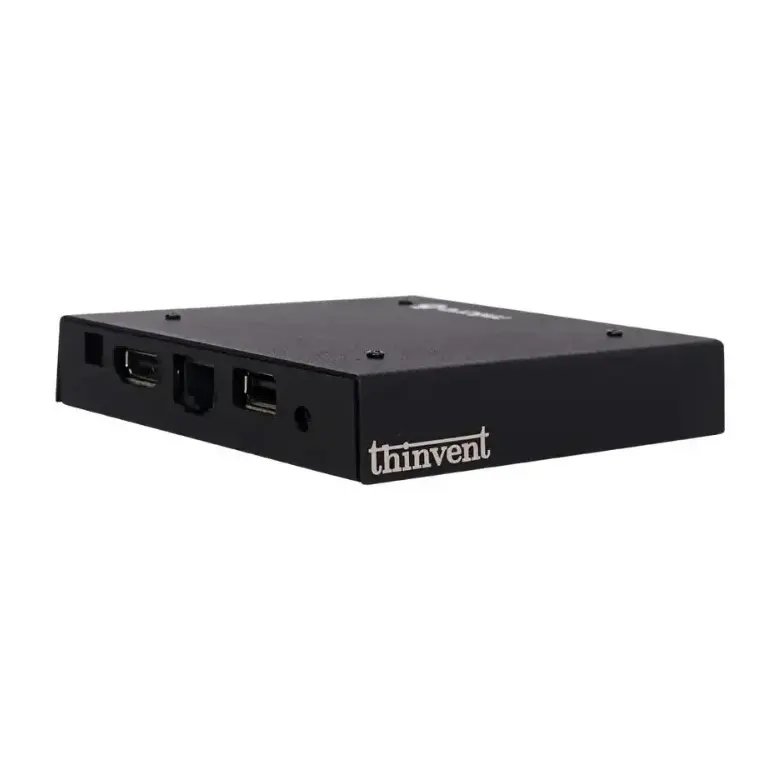
"Micro ITX" is an informal spelling that usually refers to Mini-ITX, the 170 mm × 170 mm motherboard form factor introduced by VIA in 2001 and now the most widely used standard for compact industrial and embedded systems. There is no official form factor called "Micro-ITX" — the standardised family is Mini-ITX (170 × 170 mm), Nano-ITX (120 × 120 mm) and Pico-ITX (100 × 72 mm), while Micro-ATX (244 × 244 mm) is a larger desktop board standard. When buyers search for "microitx", they are almost always looking for a small, low-power, mountable computer built around a Mini-ITX or equivalent compact platform.
Key Specifications of Mini-ITX Class Systems
The defining feature of the form factor is the four-hole mounting pattern and a 170 × 170 mm footprint, which allows the board — or a complete system built around it — to be fitted into shallow enclosures, DIN-rail cabinets, kiosks and vehicle dashboards. Typical technical characteristics include:
| Attribute | Typical Mini-ITX / Compact Industrial Range |
|---|---|
| Board footprint | 170 × 170 mm (Mini-ITX), 100 × 72 mm (Pico-ITX) |
| Power input | 12 V–24 V DC, often wide-range |
| Expansion | 1× PCIe slot, M.2 (NVMe/SATA), mini-PCIe |
| I/O | Multiple USB, HDMI/DisplayPort, dual Gigabit Ethernet |
| Serial ports | Optional RS-232/RS-485 via DB9 headers |
| Cooling | Passive/fanless heatsink or low-profile fan |
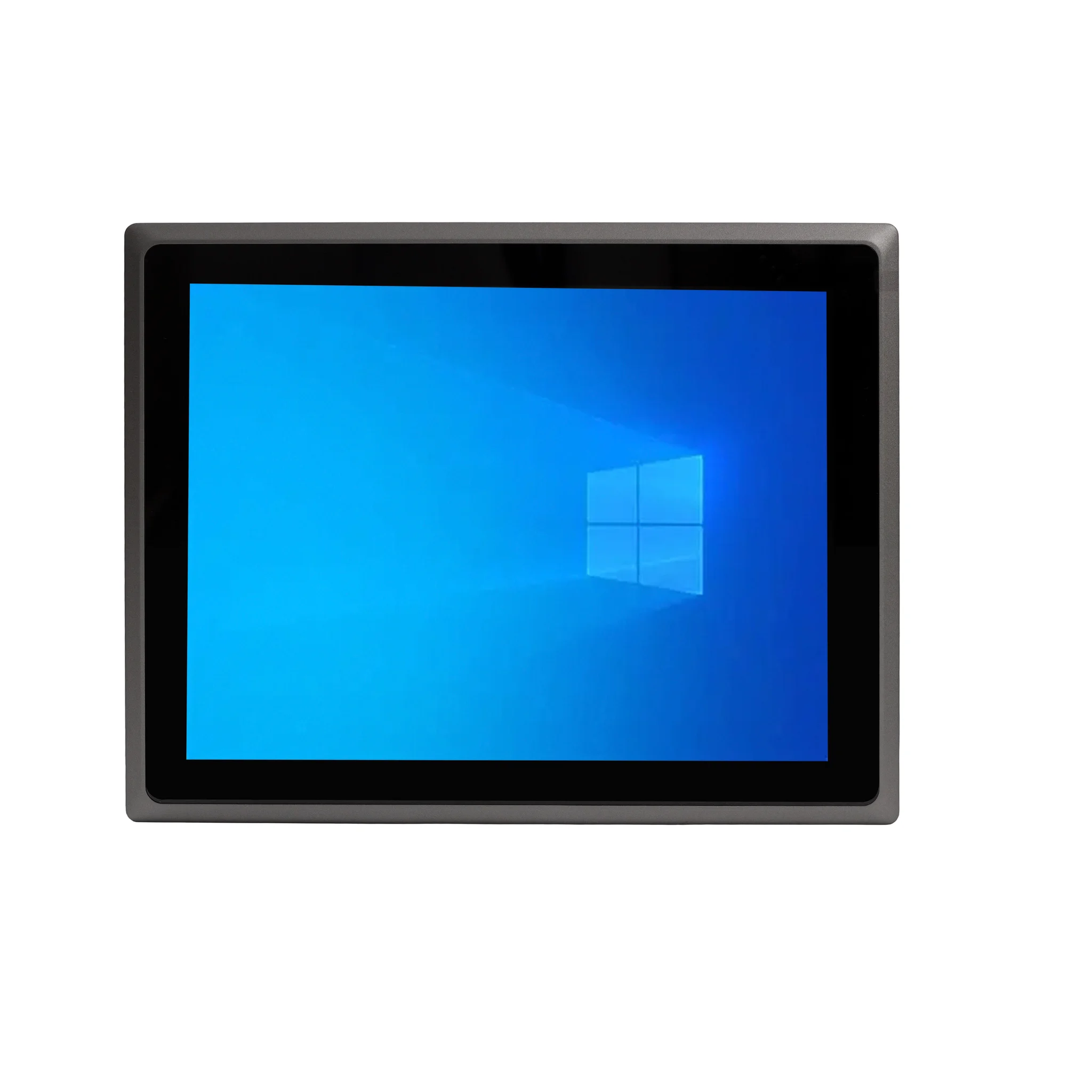
| Mounting | VESA, DIN-rail, wall bracket, panel cut-out |
Because the footprint is fixed but the compute inside is not, Mini-ITX systems can carry anything from an energy-efficient Intel Celeron or N-series processor up to a 12th/13th generation Intel Core i3 or i5 with 16 GB–64 GB of DDR4/DDR5 memory and NVMe SSD storage.
Why Compact Form Factors Matter in Industrial Deployments
Small size is not just about desk space. In factory automation, a Mini-ITX-class controller is usually mounted inside an electrical panel, a machine housing or a sealed kiosk where airflow and service access are limited. A fanless design removes the single most common point of mechanical failure — the cooling fan — and keeps dust,