What Are Industrial Computers Running Microsoft Windows?
Industrial computers running Microsoft Windows are specialized computing systems designed for deployment in demanding, non-office environments. Unlike standard desktop PCs, these machines are built with durability, reliability, and long-term operation in mind. They leverage the familiar Windows operating system—such as Windows 11 IoT, Windows 11 Pro, or embedded versions—to provide a stable platform for industrial software, control systems, and human-machine interfaces (HMIs). This combination offers the software compatibility of Windows with the hardware robustness required for factory floors, outdoor kiosks, and medical facilities.
Key Specifications and Technical Advantages
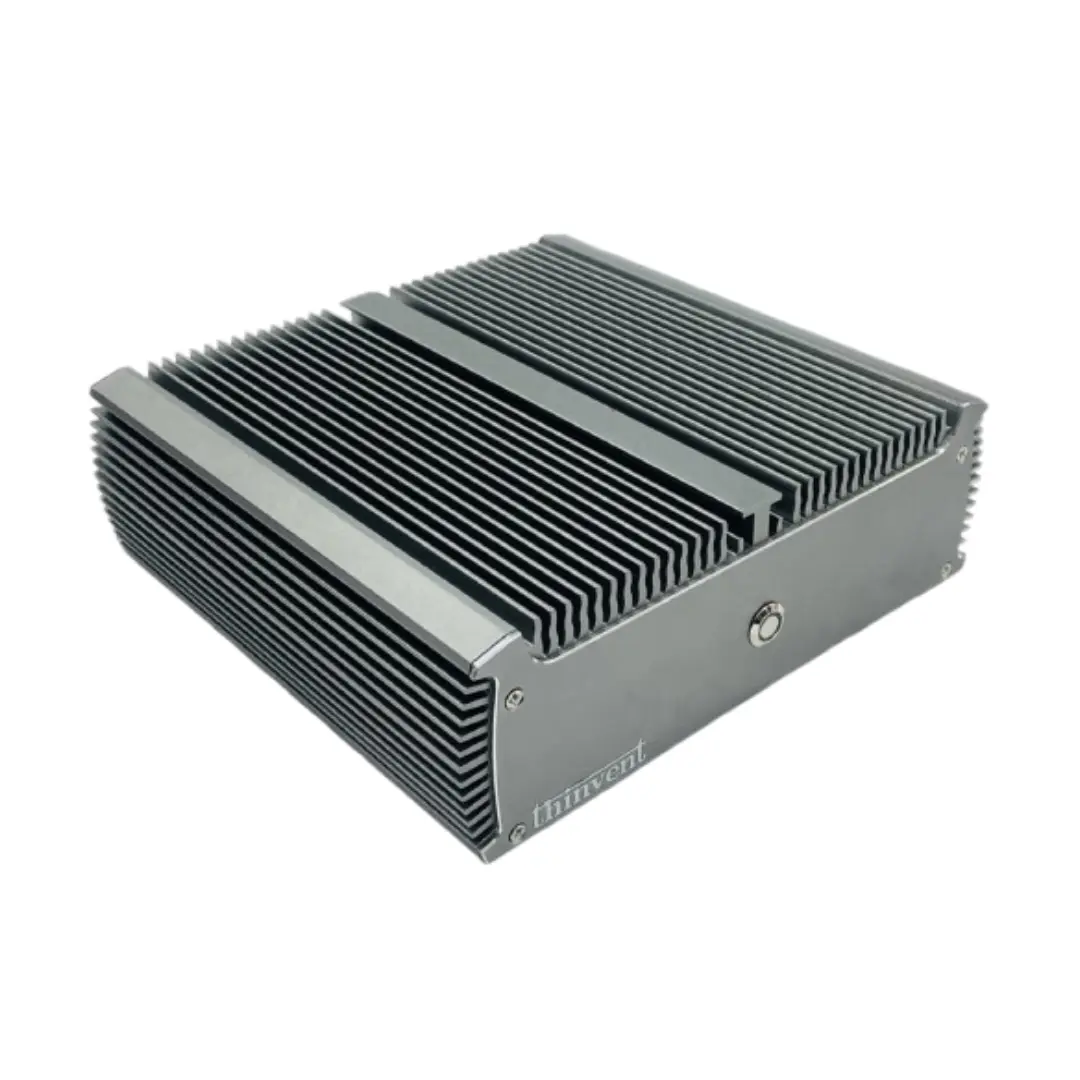
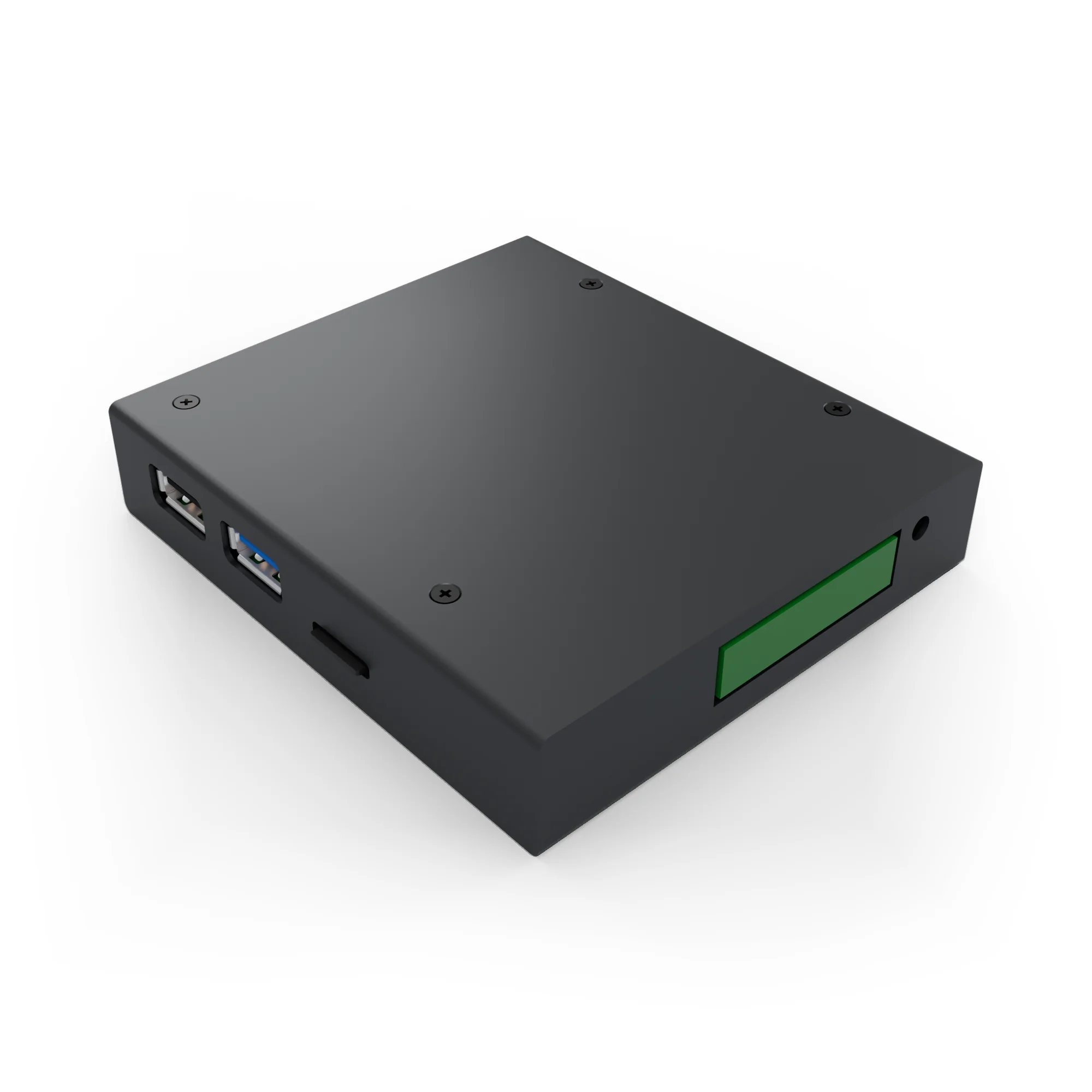
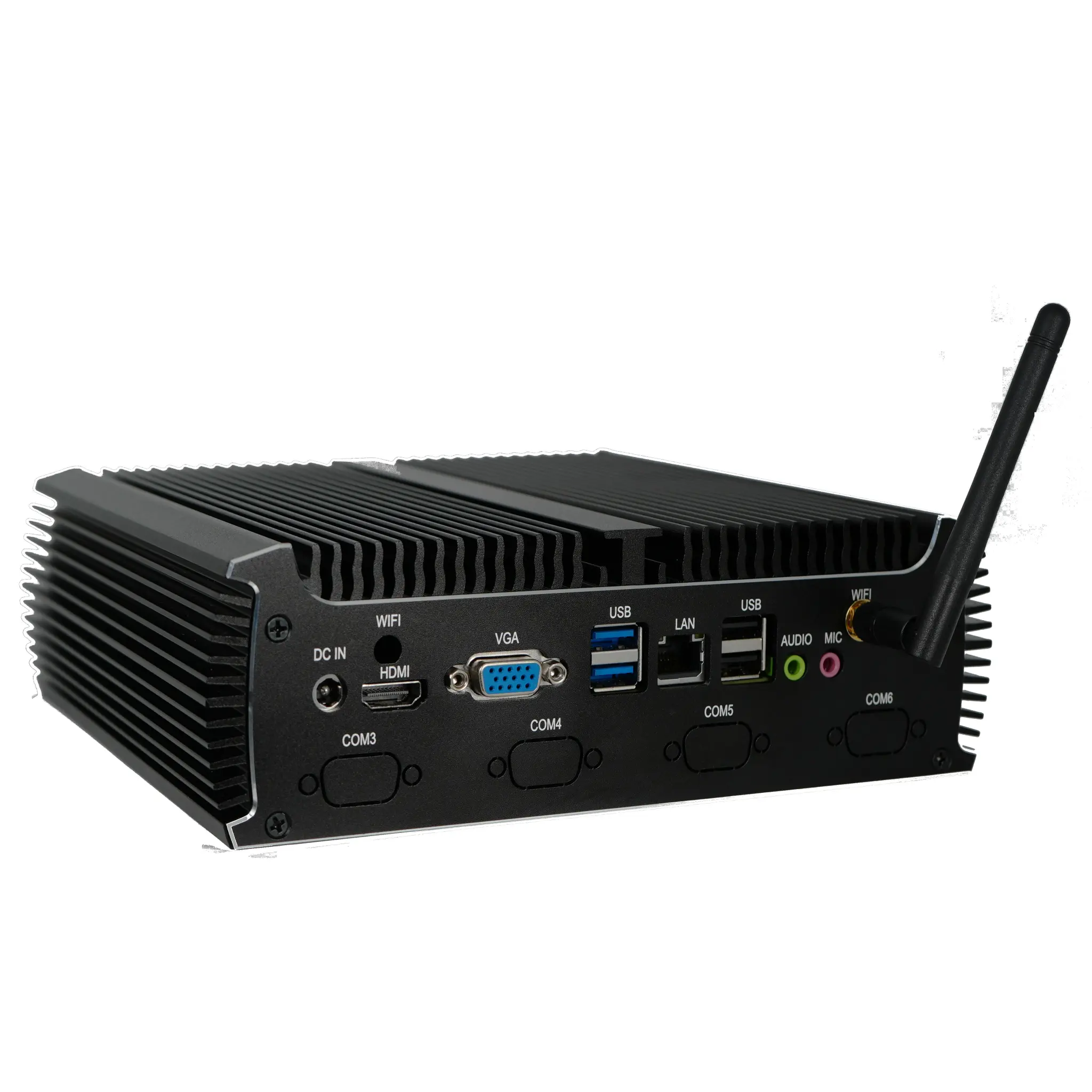
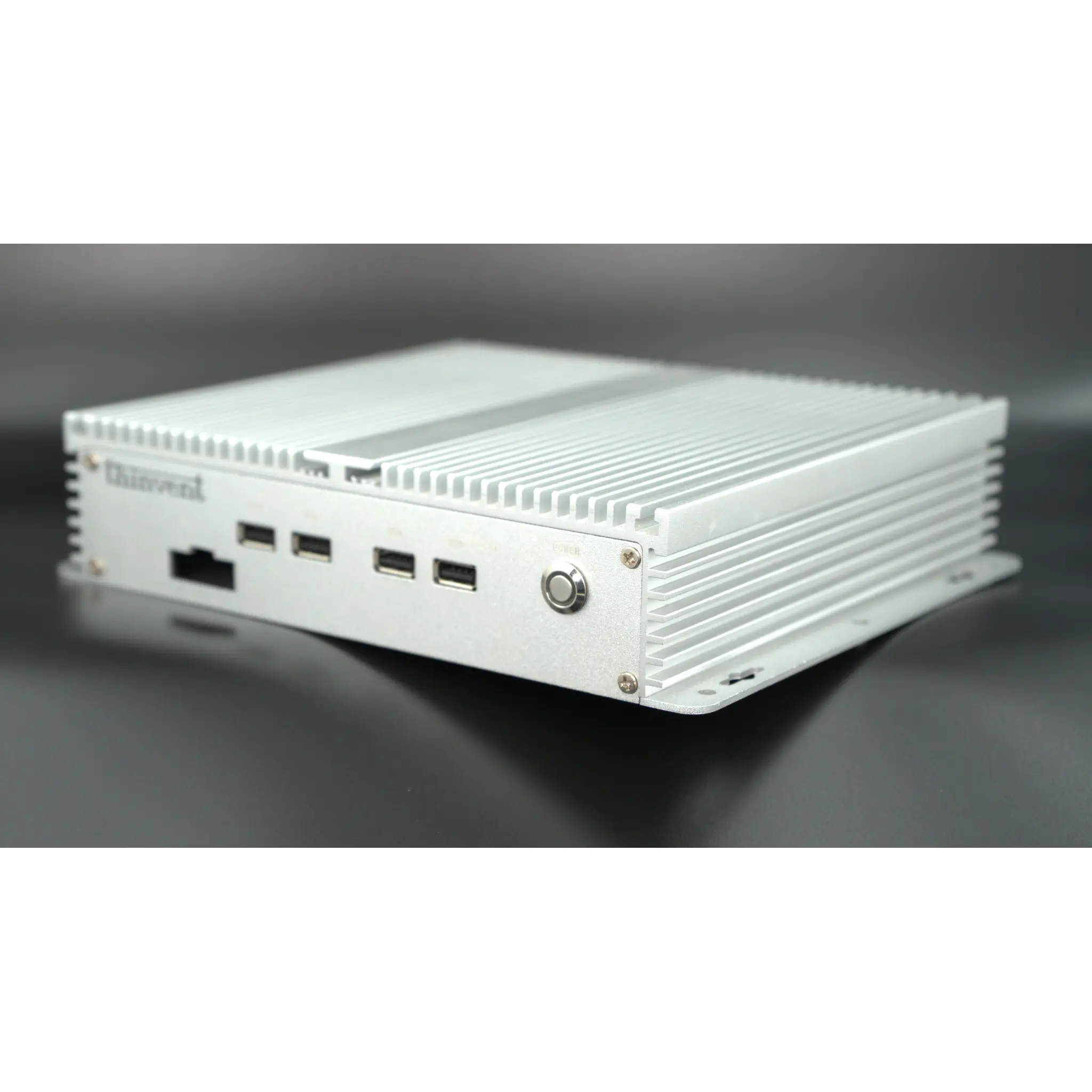
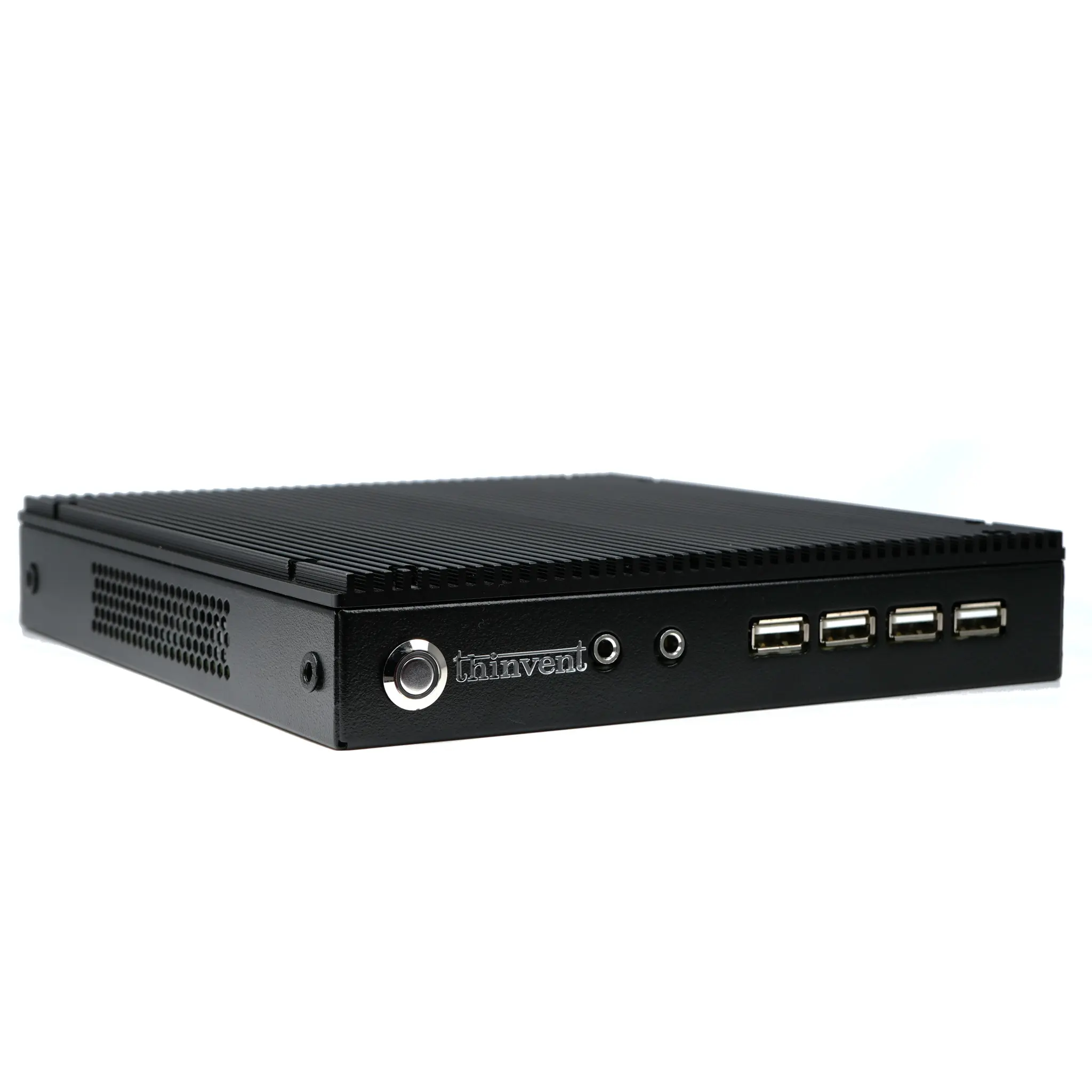
These systems are engineered with components selected for extended lifecycles and stable performance. Common features include fanless cooling for silent, dust-resistant operation, wide-range power inputs to handle voltage fluctuations, and extended operating temperature ranges. For example, a typical configuration might feature an efficient Intel processor like the 12th Gen N100 (4 cores, up to 3.4 GHz), paired with 16GB of DDR4 RAM and solid-state storage. The absence of moving parts like fans and hard drives significantly increases mean time between failures (MTBF), making them ideal for 24/7 operation. They also offer multiple I/O ports for connecting industrial peripherals and often support panel or VESA mounting.
Primary Use Cases and Applications
The reliability of Windows-based industrial PCs makes them suitable for a vast array of applications. Key sectors include:
-
Manufacturing & Automation: For machine control, PLC supervision, and production line monitoring.
-
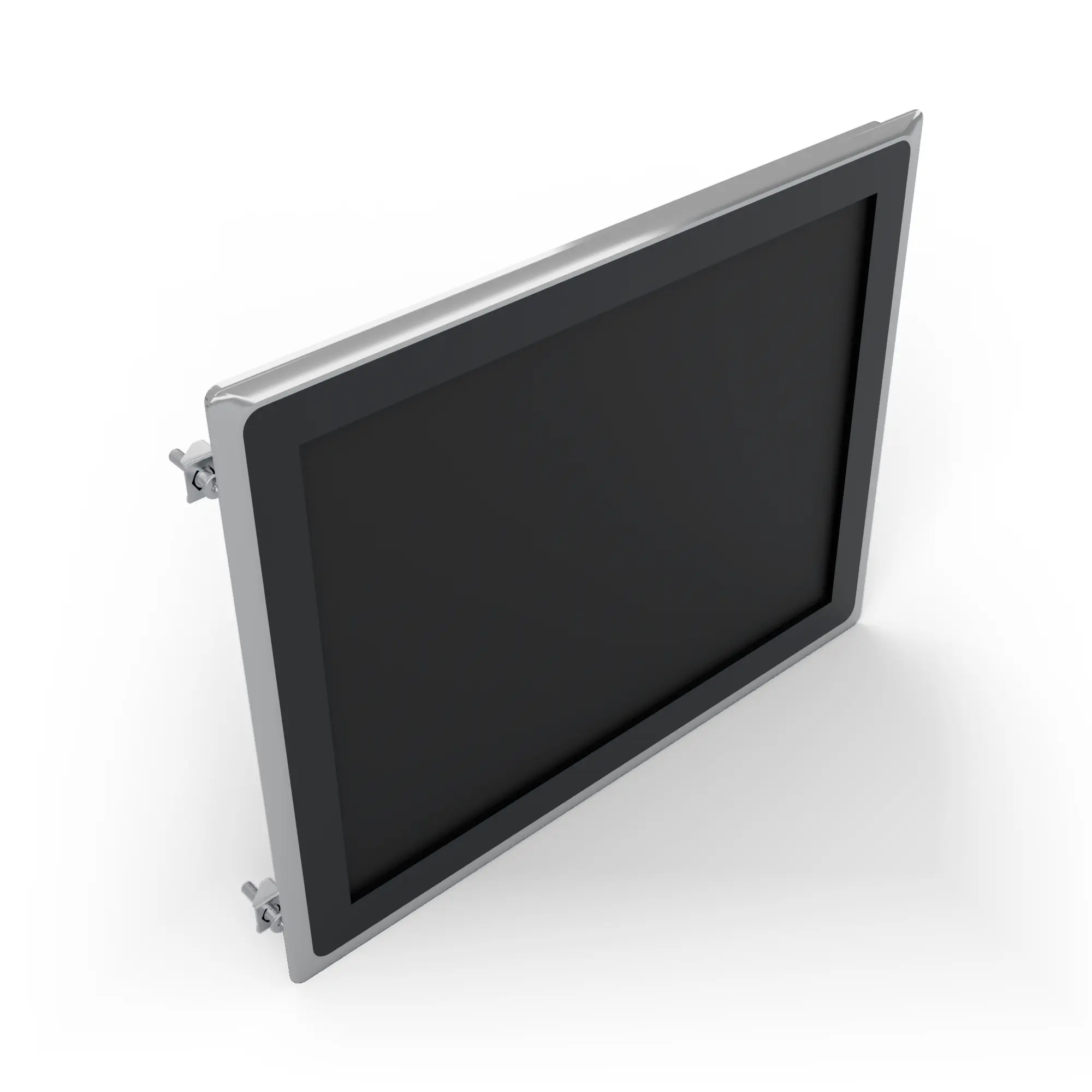
Digital Signage & Kiosks: Powering interactive displays in retail, transportation hubs, and public spaces.
-
Healthcare: Running diagnostic equipment, patient monitoring systems, and medical imaging stations.
-
Transportation & Logistics: For fleet management, warehouse automation, and baggage handling systems.
-
Thin Client & VDI: Acting as robust endpoints for virtual desktop infrastructure in secure or harsh environments.
Operating System Options for Industrial PCs
While this category focuses on Microsoft Windows, industrial PCs often come with multiple OS choices to fit specific project needs. The core advantage of Windows is its vast software ecosystem and driver support. Below is a comparison of common OS options available:
| Operating System | Ideal For | Key Characteristics |
|---|---|---|
| Windows 11 IoT | Dedicated fixed-function devices | Long-term service channel support, enhanced security for embedded use. |
| Windows 11 Pro | General industrial workstations | Full Windows feature set, domain join, BitLocker, for versatile tasks. |
| DOS | Custom or legacy applications | Lightweight base for installing proprietary or single-application software. |
| Ubuntu Linux | Development, open-source stacks | Cost-effective, highly customizable, strong for networking and server apps. |
| Thinux™ Embedded Linux | Secure, tailored embedded solutions | A stripped-down, stable Linux build optimized for specific industrial tasks. |
Thinvent's Range of Industrial Windows Computers
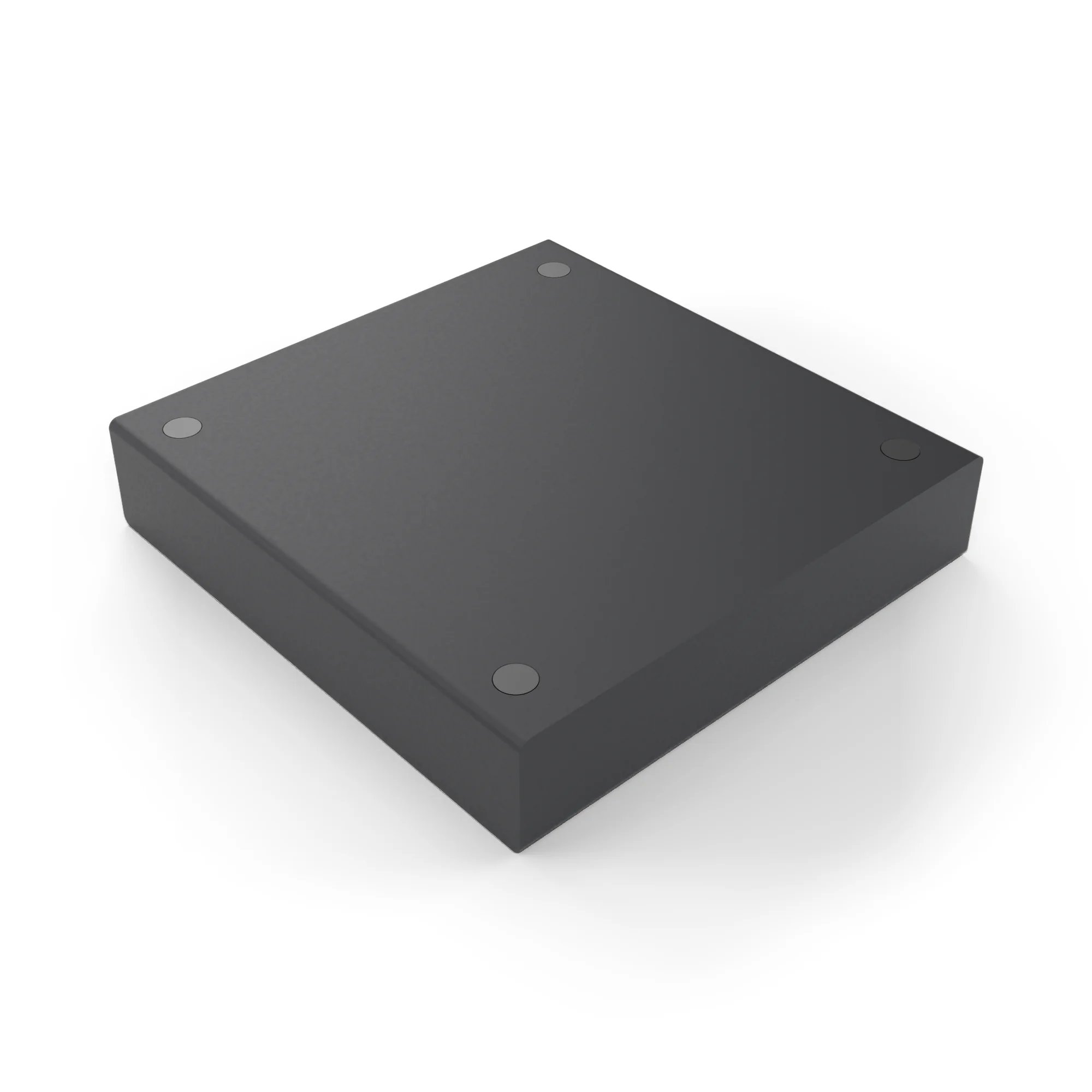
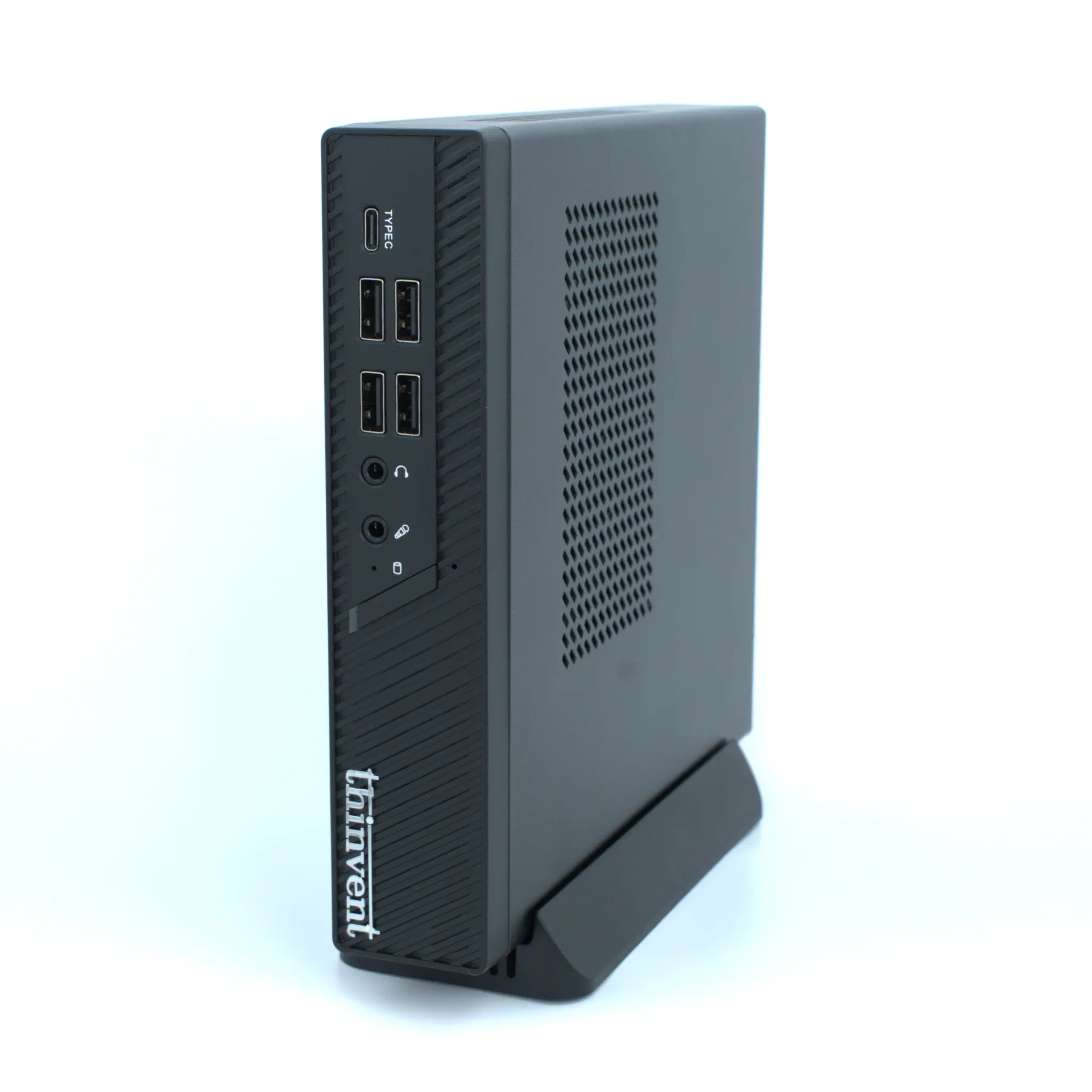
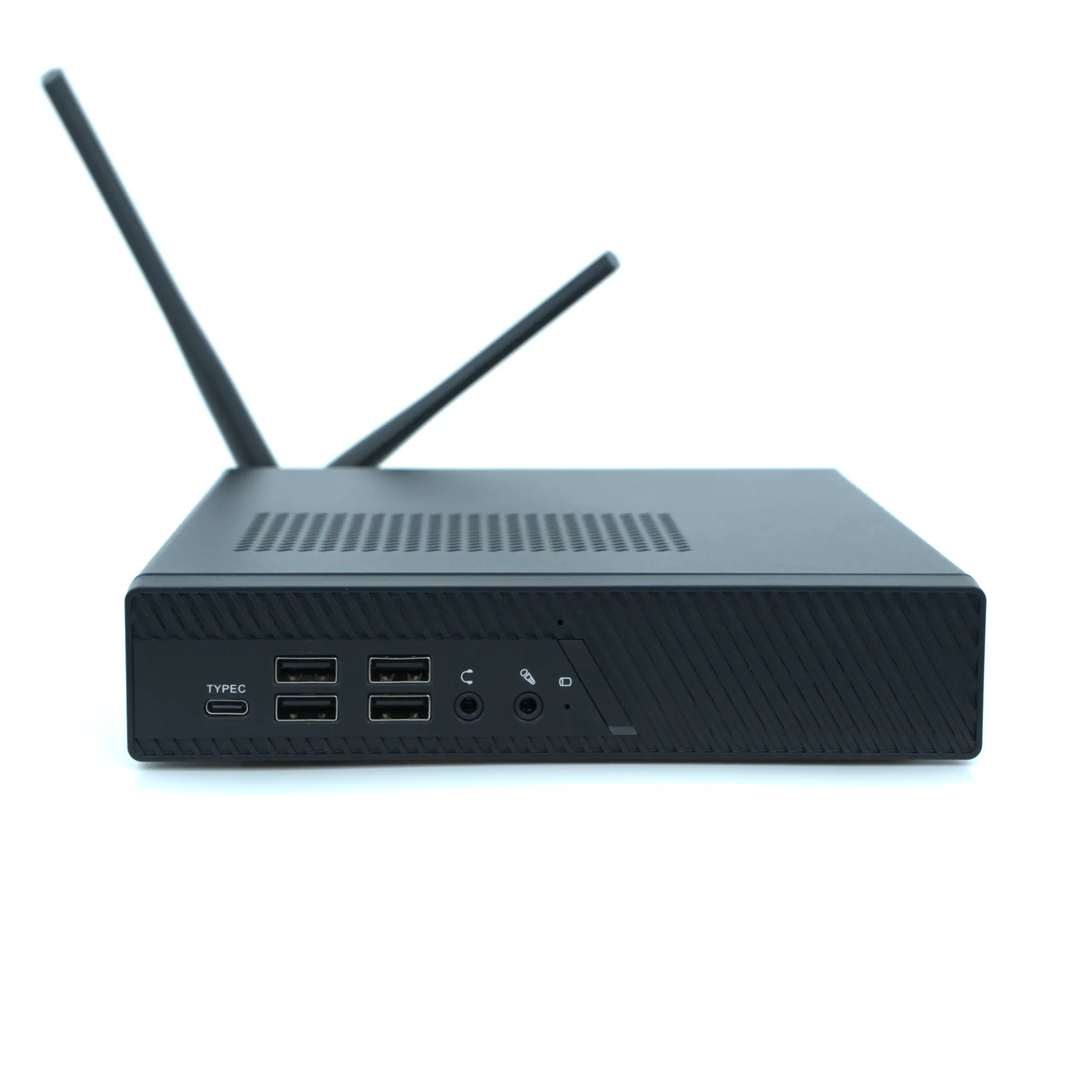
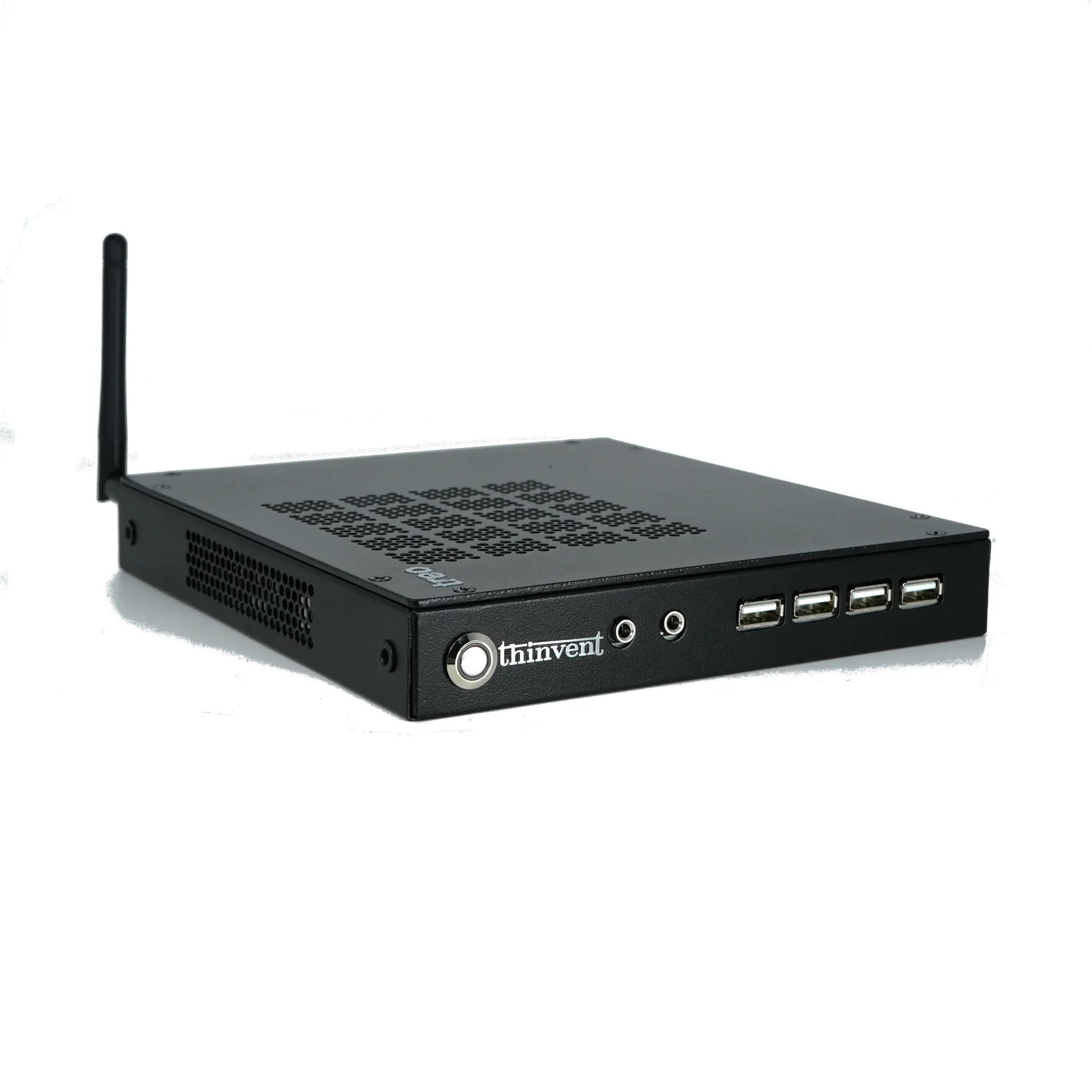
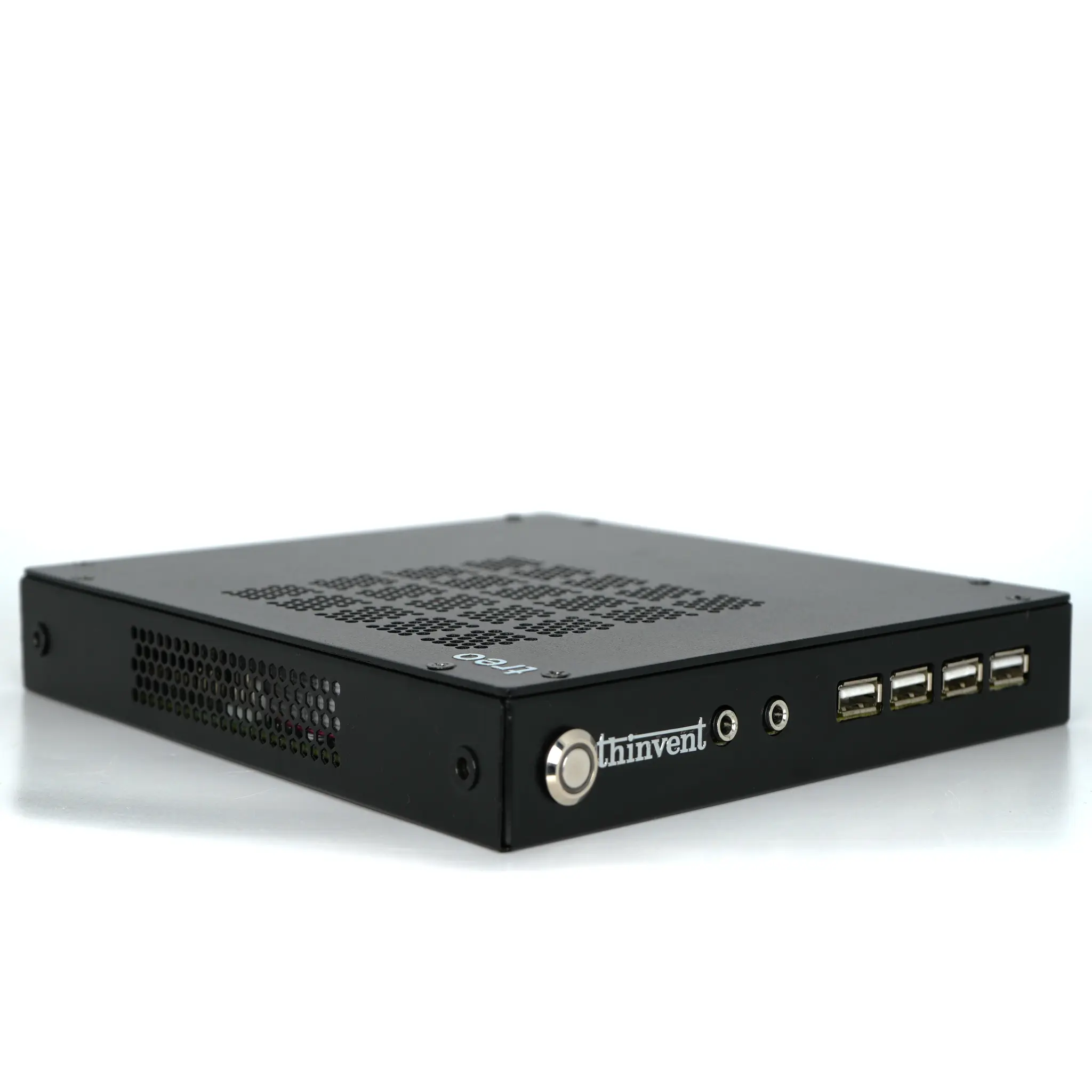
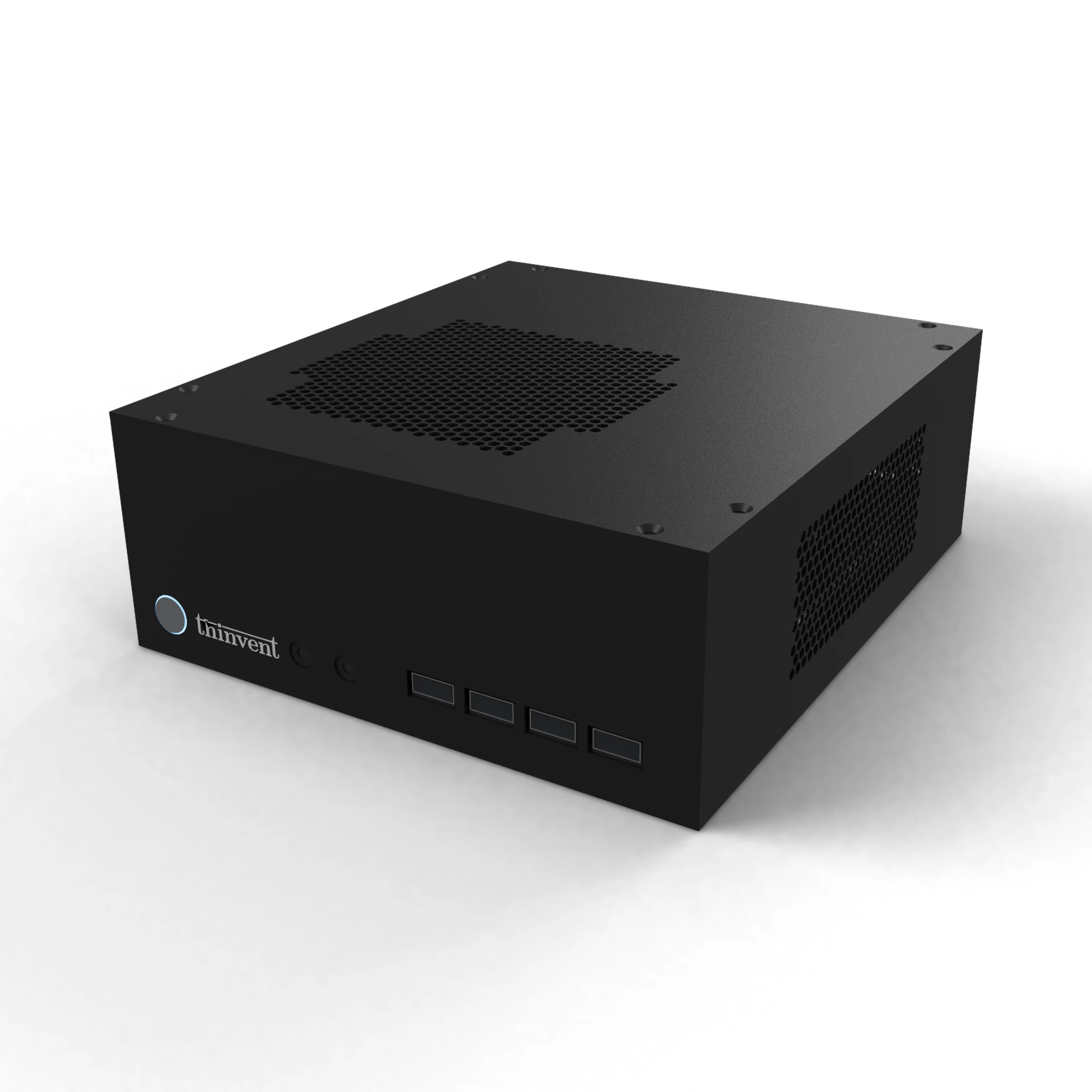
Thinvent offers a comprehensive portfolio of industrial-grade computing solutions designed to run Microsoft Windows reliably. Our products, like the Thinvent® Aero Mini PC, exemplify this commitment. Built around efficient Intel processors (such as the 12th Gen Intel N100), these compact, fanless systems deliver the performance needed for industrial applications without compromising on durability. Available with Windows 11 IoT or Windows 11 Pro pre-installed, they provide a certified, stable platform right out of the box. Thinvent systems are engineered for global deployment, supporting wide operating temperature ranges and built with quality components for long-term reliability in challenging environments, from smart factories to digital retail.