Industrial Computers Running Microsoft Windows
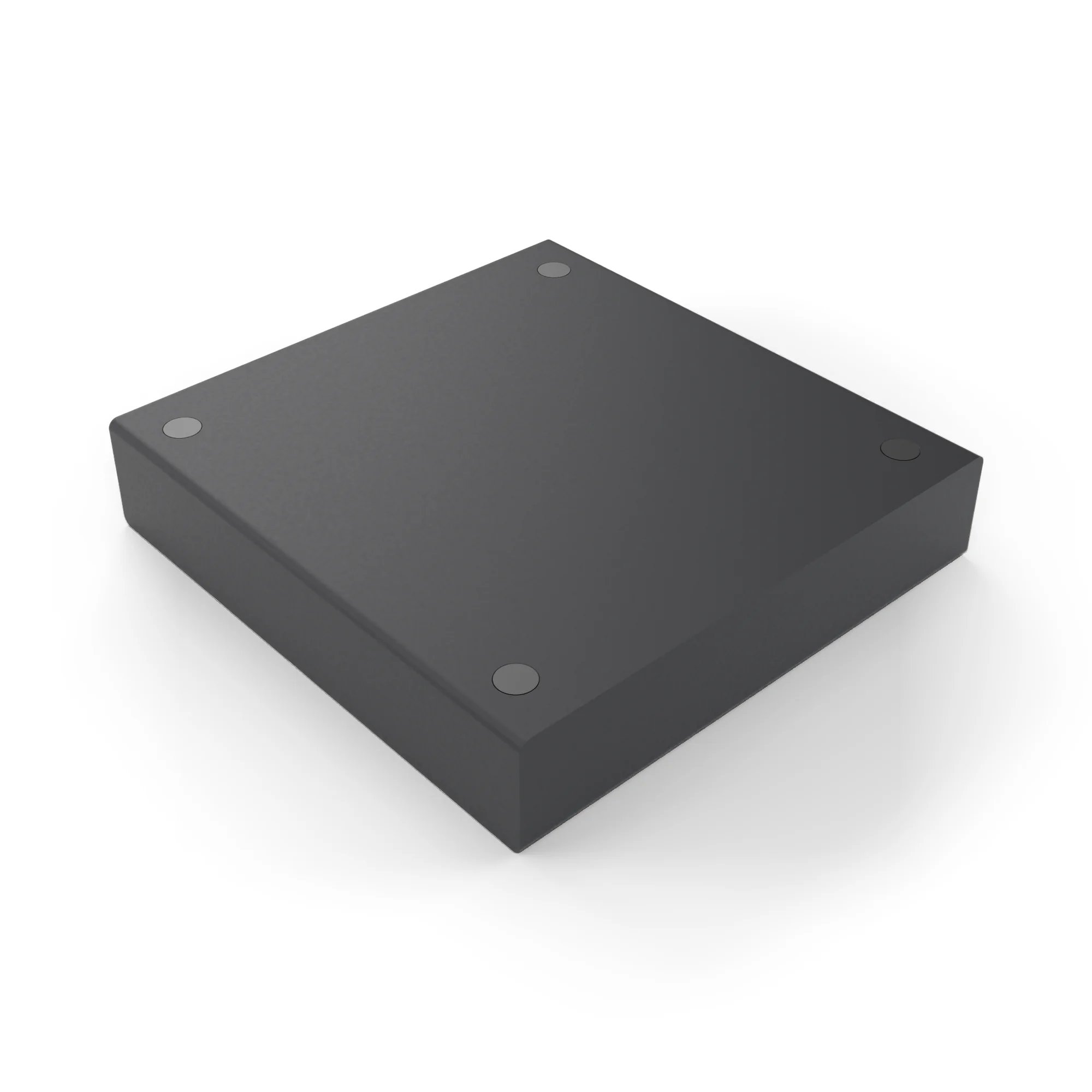
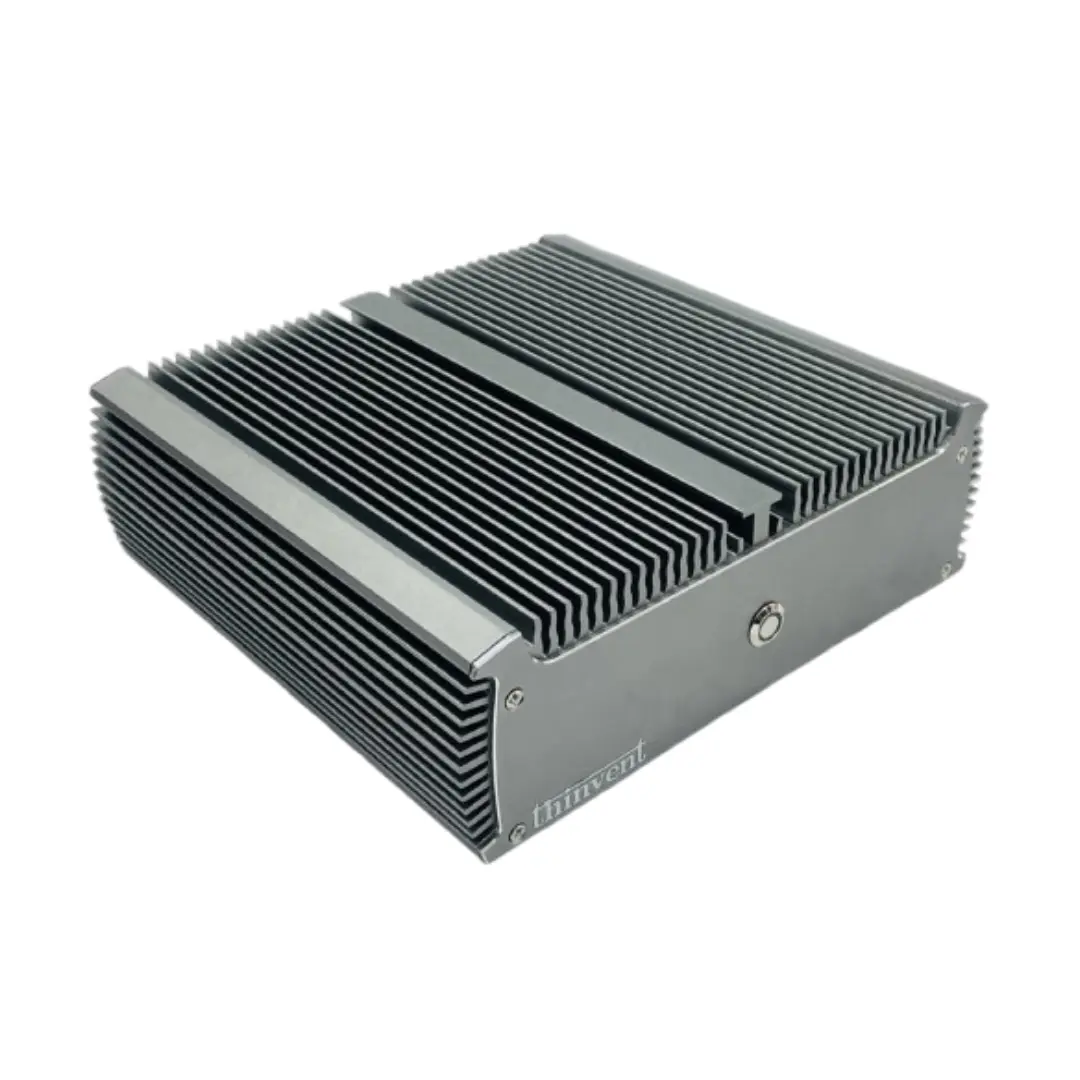
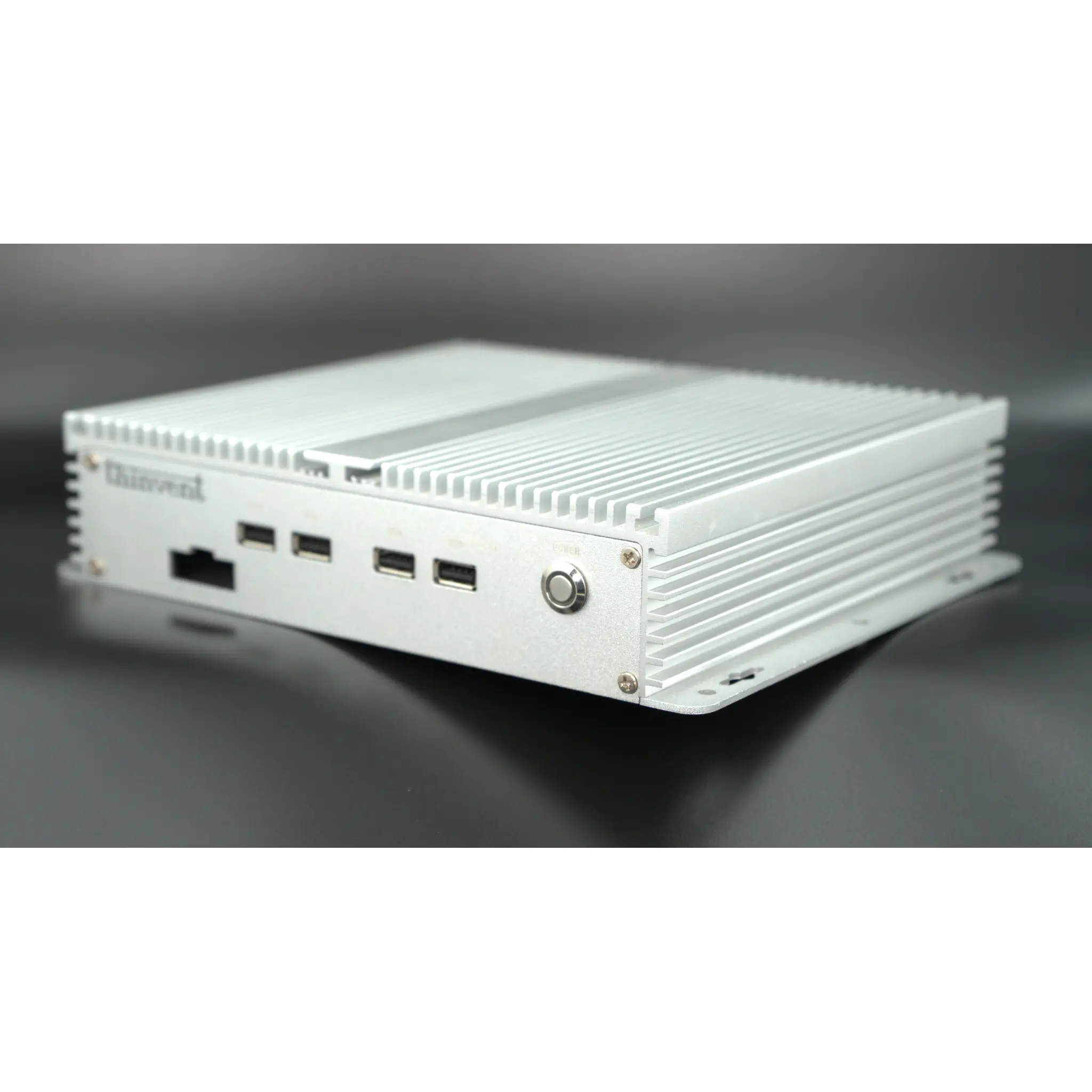
Industrial computers running Microsoft Windows are specialized computing systems designed for demanding environments where standard PCs would fail. These systems combine the familiarity and extensive software compatibility of the Windows operating system with the durability, reliability, and long-term availability required for industrial automation, digital signage, kiosks, and edge computing. They are engineered to operate 24/7 in harsh conditions involving extreme temperatures, dust, vibration, and humidity, often featuring fanless cooling for silent and maintenance-free operation.
Key Specifications and Technical Details
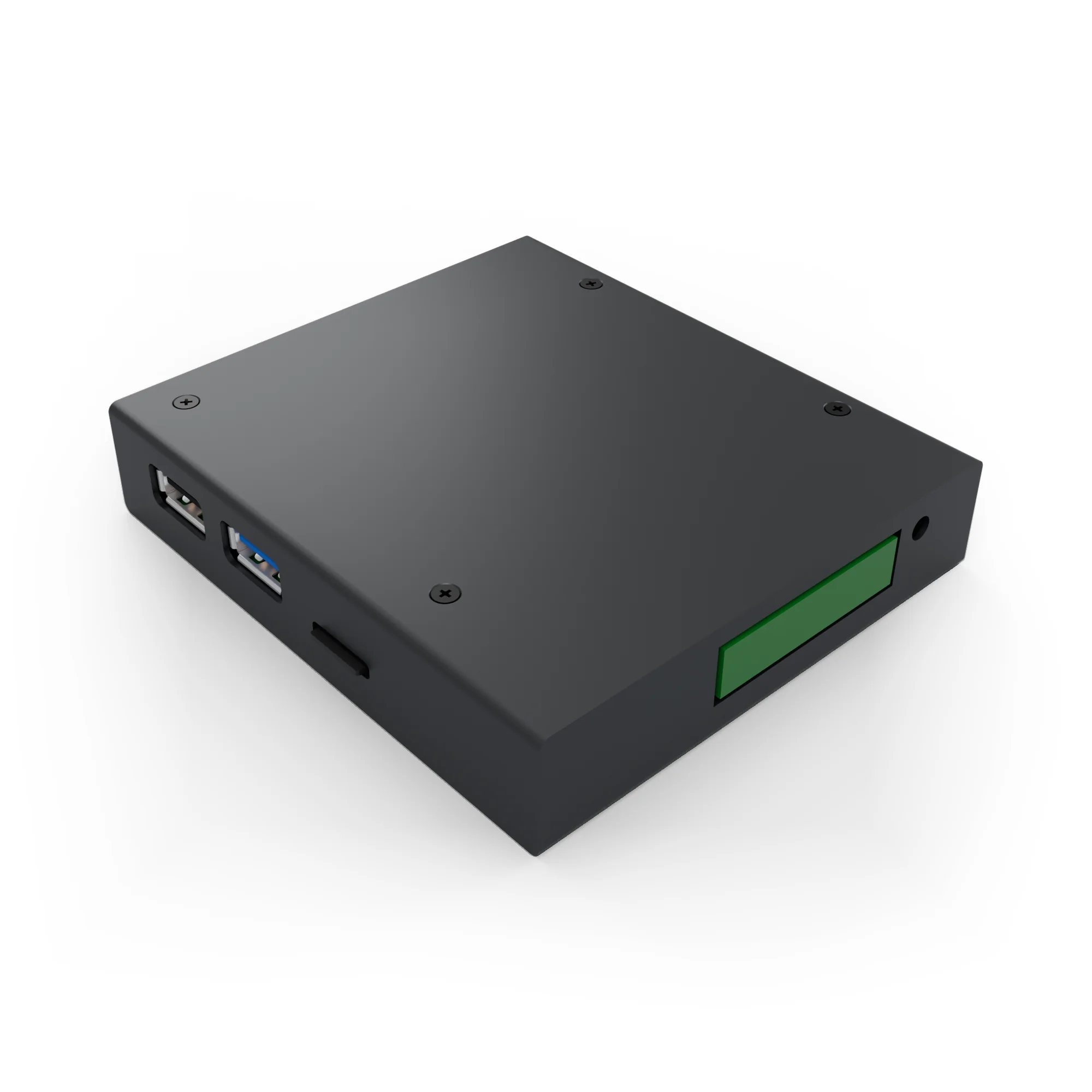
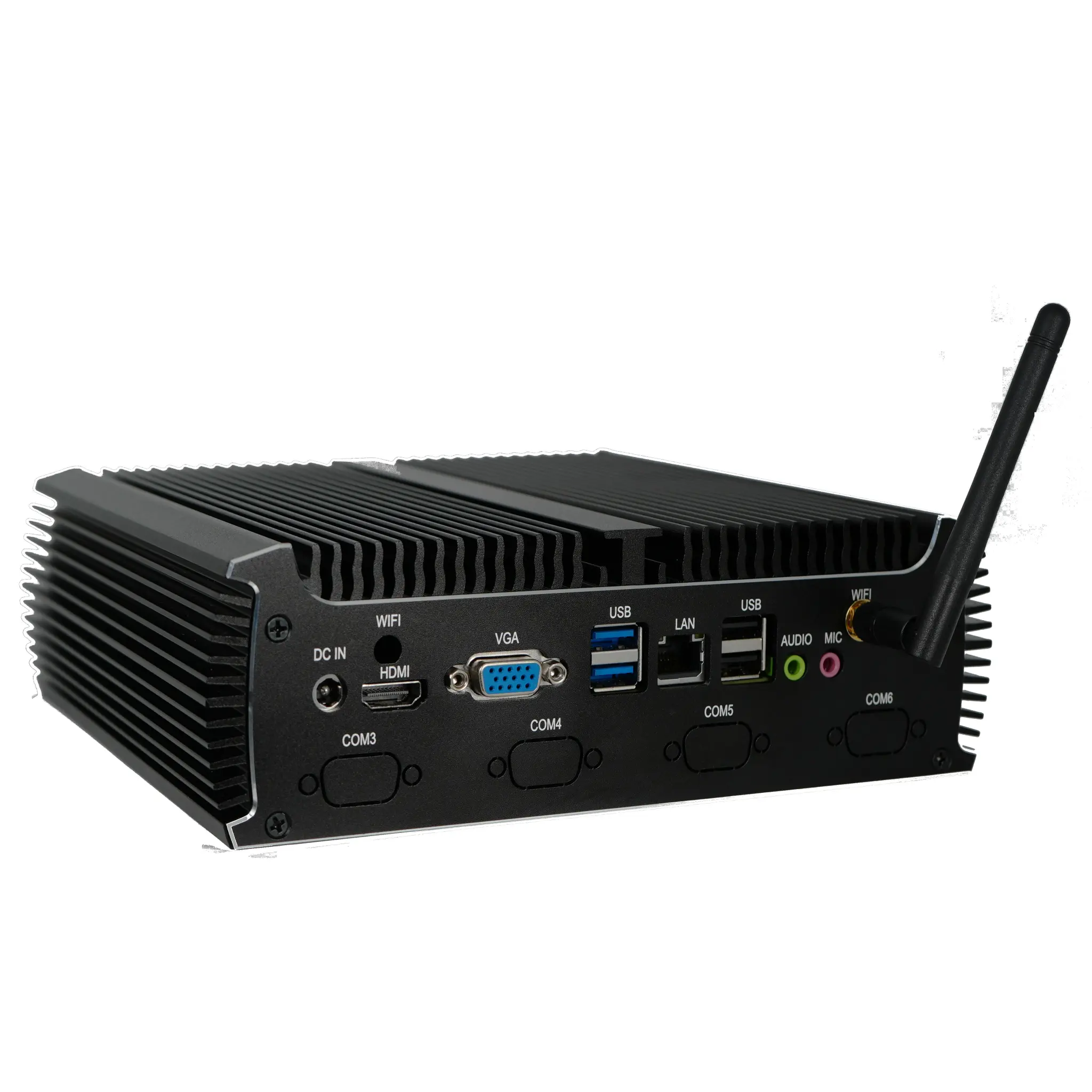
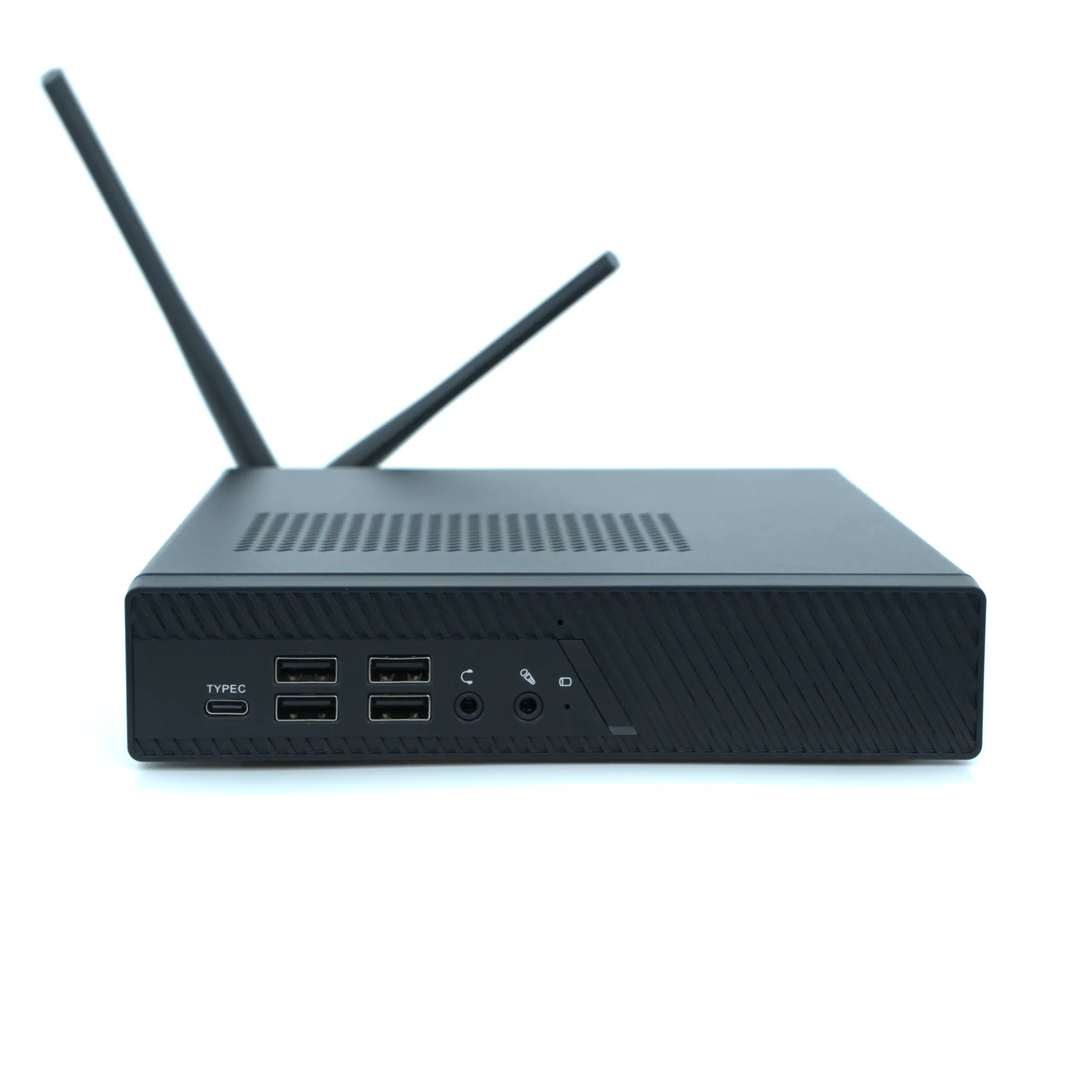
These computers are built around robust hardware platforms. A typical configuration, as seen in modern industrial mini PCs, includes an Intel processor from the efficient N-series (like the quad-core N100), ample DDR4 RAM (e.g., 16GB), and solid-state storage for fast, reliable data access. The core technical advantage lies in their design: wide operating temperature ranges (often from -20°C to 70°C), support for 12V-24V DC power input for vehicle or panel mounting, and rich I/O connectivity including multiple COM ports, LAN ports, and display outputs. They are pre-configured with industrial-grade Windows versions like Windows 11 IoT Enterprise or Windows 11 Pro, which offer enhanced security, manageability, and long-term service channels ideal for embedded applications.
Primary Use Cases and Applications
The application scope for Windows-based industrial computers is vast. They are the backbone of factory automation, controlling PLCs and HMIs on the shop floor. In retail and hospitality, they power self-service kiosks, point-of-sale (POS) systems, and interactive digital signage. Their ruggedness makes them perfect for in-vehicle computing in logistics and public transportation. Furthermore, they serve as powerful gateways for IoT data aggregation at the network edge, running data analytics and visualization software before sending information to the cloud. The Windows environment allows seamless integration with a universe of industry-specific software for machine vision, SCADA systems, and building management.
Comparison: Windows IoT vs. Windows Pro for Industry
Choosing the right Windows version is critical for an industrial deployment. Here’s a brief comparison:
| Feature | Windows 11 IoT Enterprise | Windows 11 Pro |
|---|---|---|
| Primary Use | Embedded, fixed-function devices | General-purpose industrial workstations |
| Update Control | Long-Term Servicing Channel (LTSC) for stability | Standard update channels |
| Lockdown Features | Advanced lockdown (Assigned Access, Shell Launcher) | Standard user account controls |
| Licensing | Often tied to the device hardware | Can be transferred |
| Ideal For | Kiosks, digital signage, single-purpose machines | Control rooms, engineering stations, multi-application environments |
Thinvent's Industrial Computing Solutions
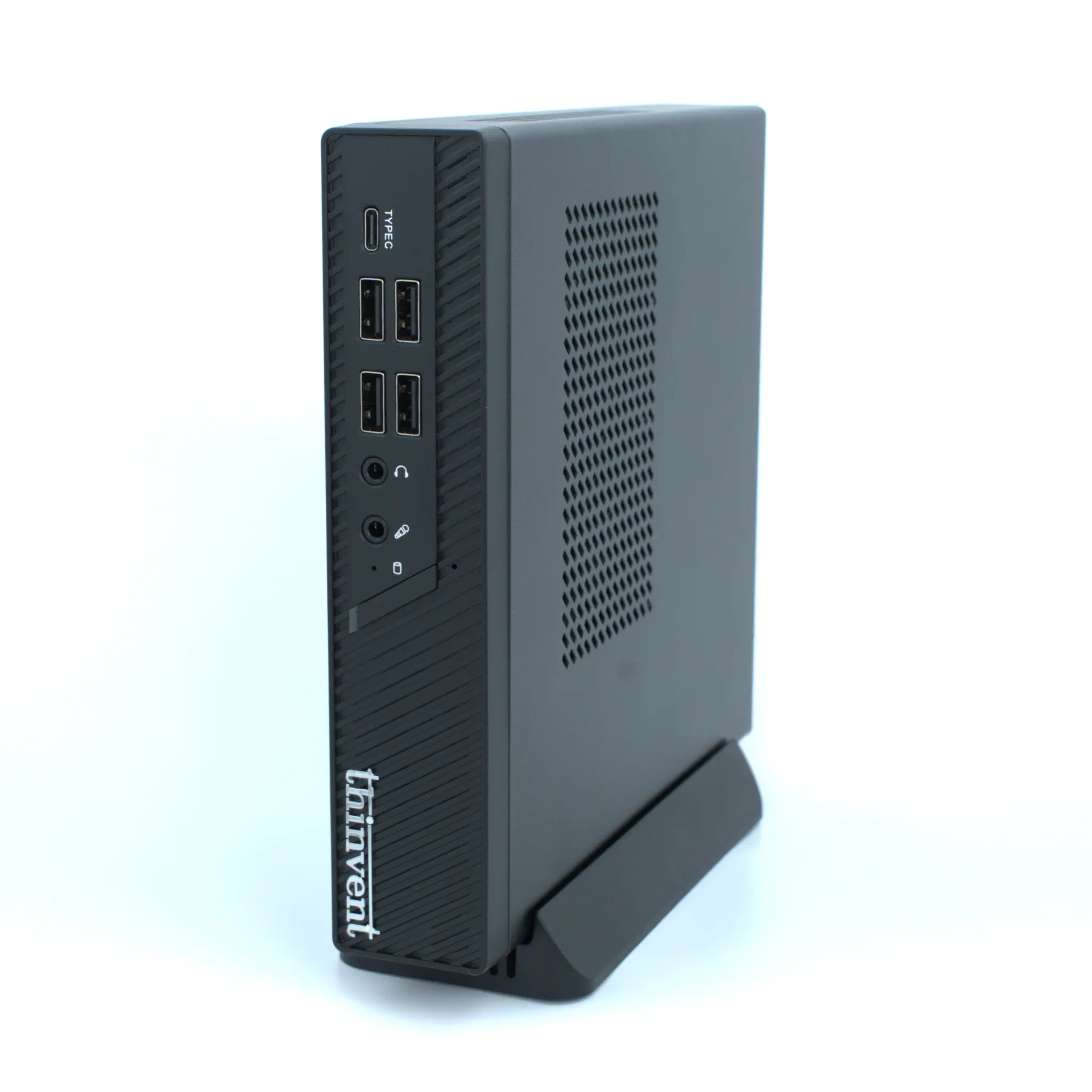
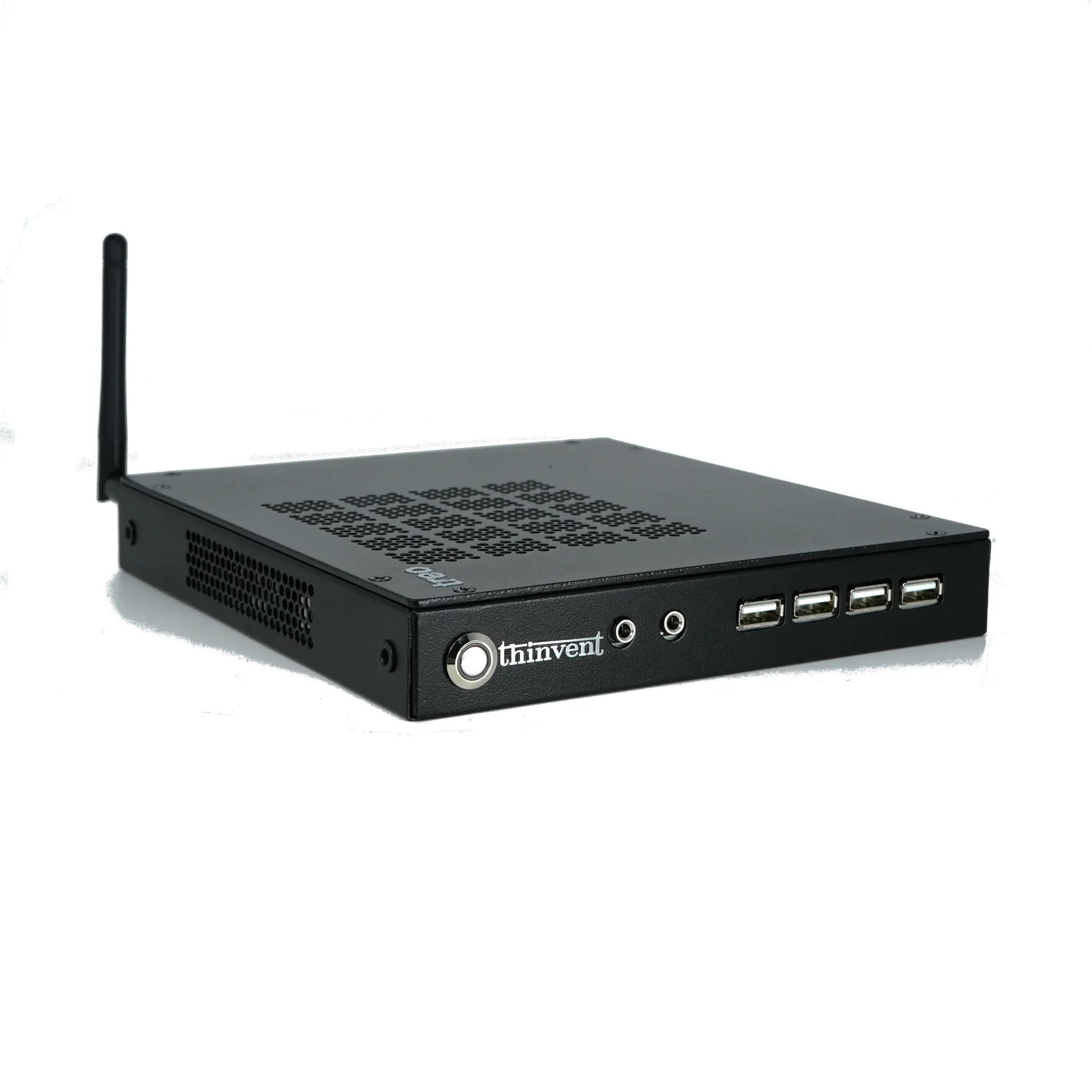
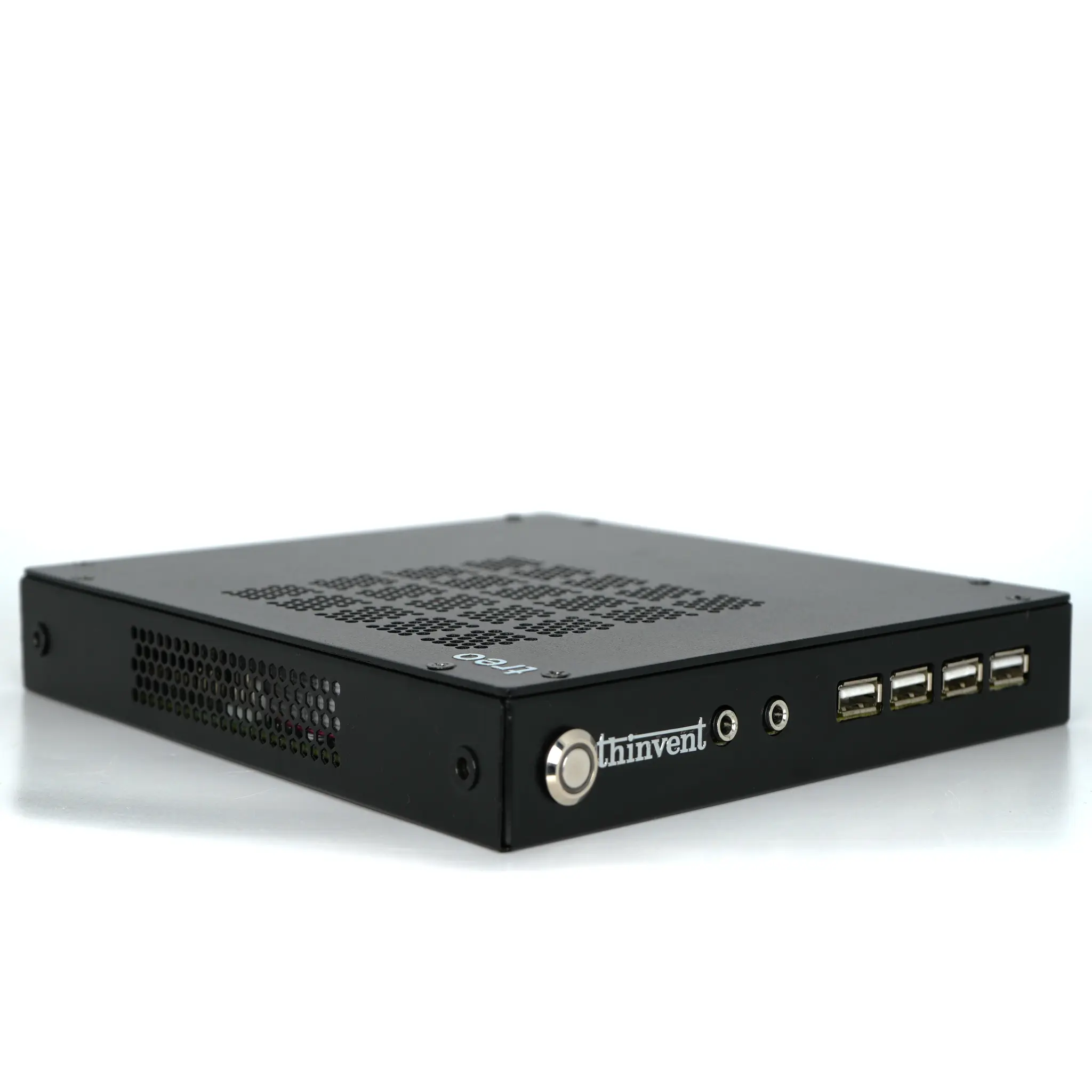
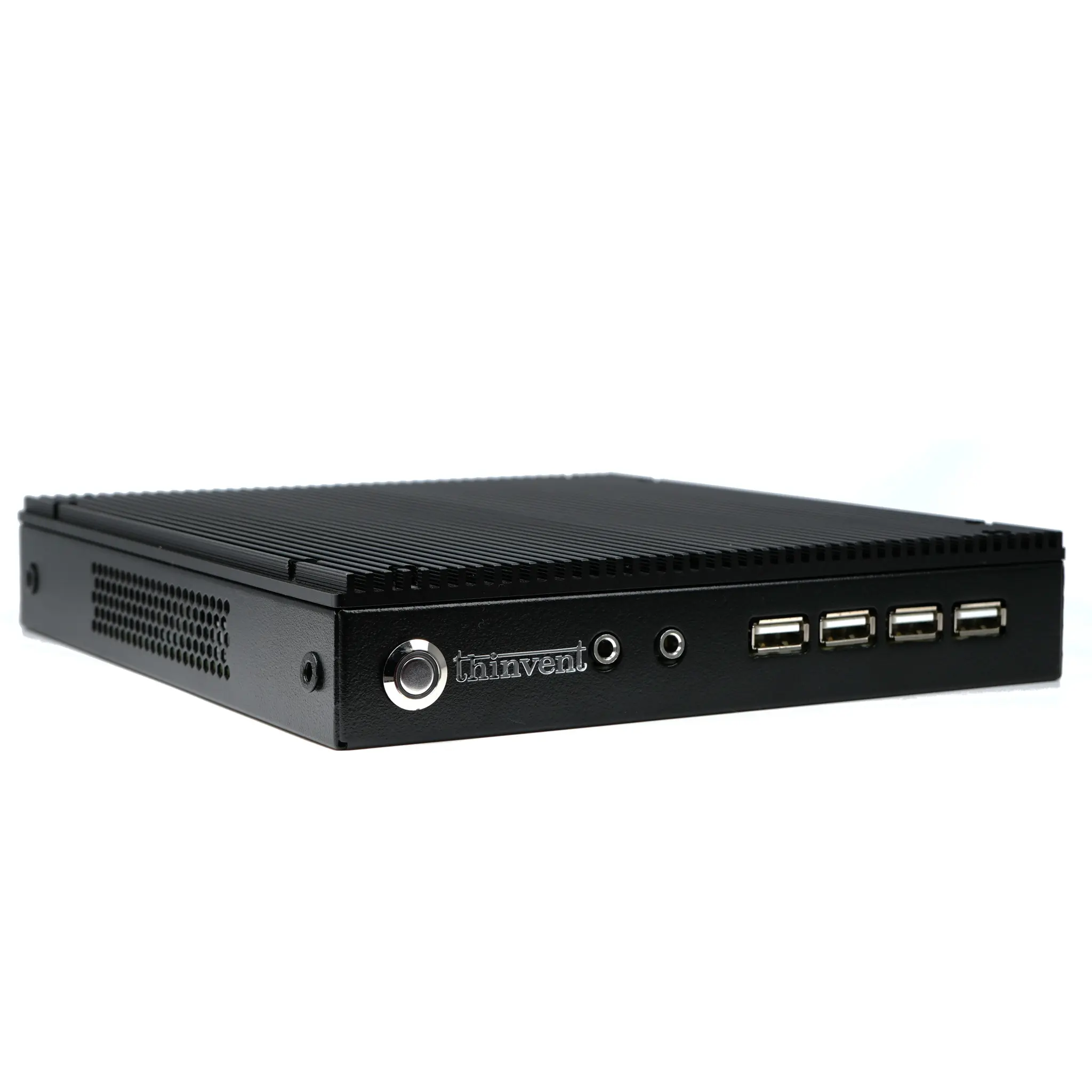
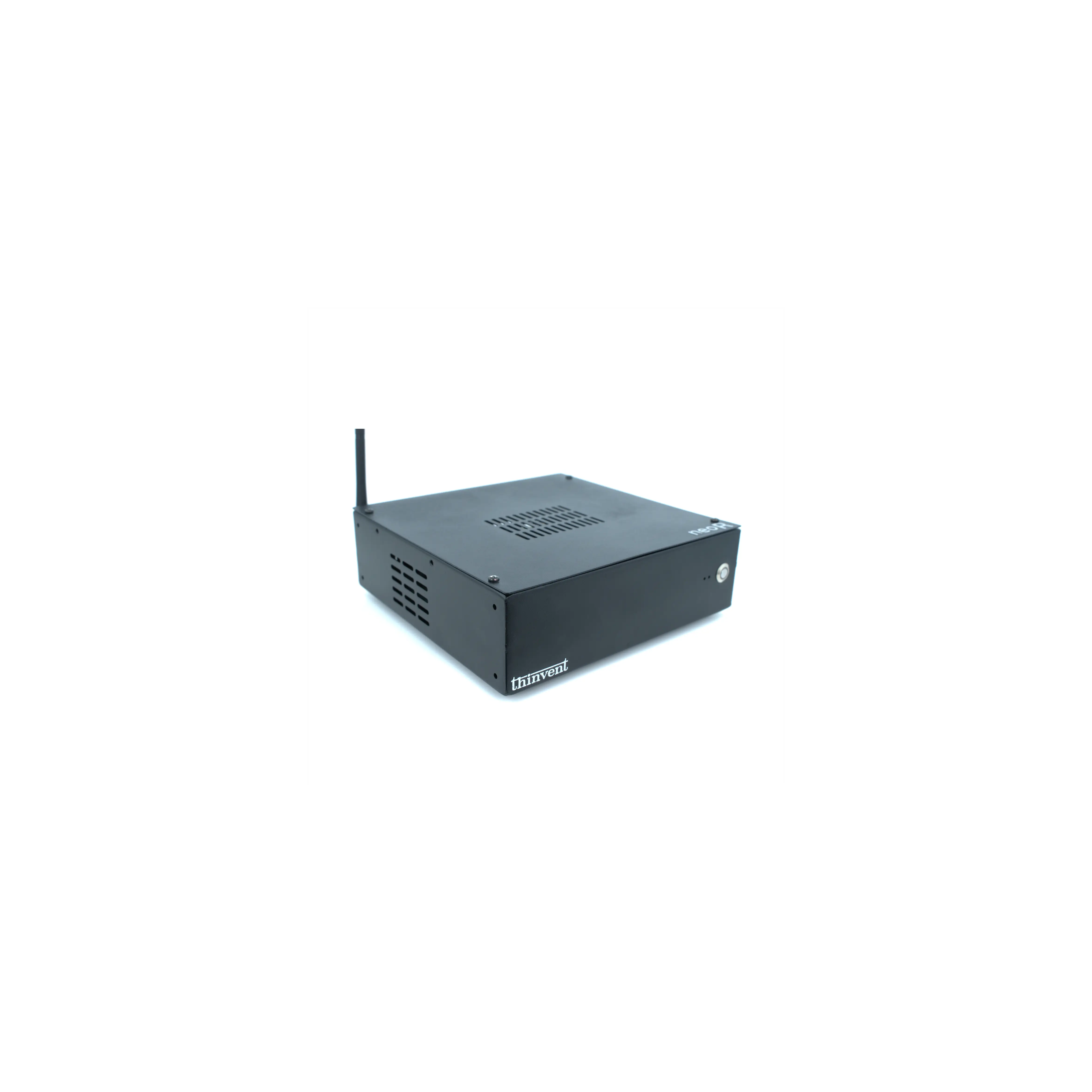
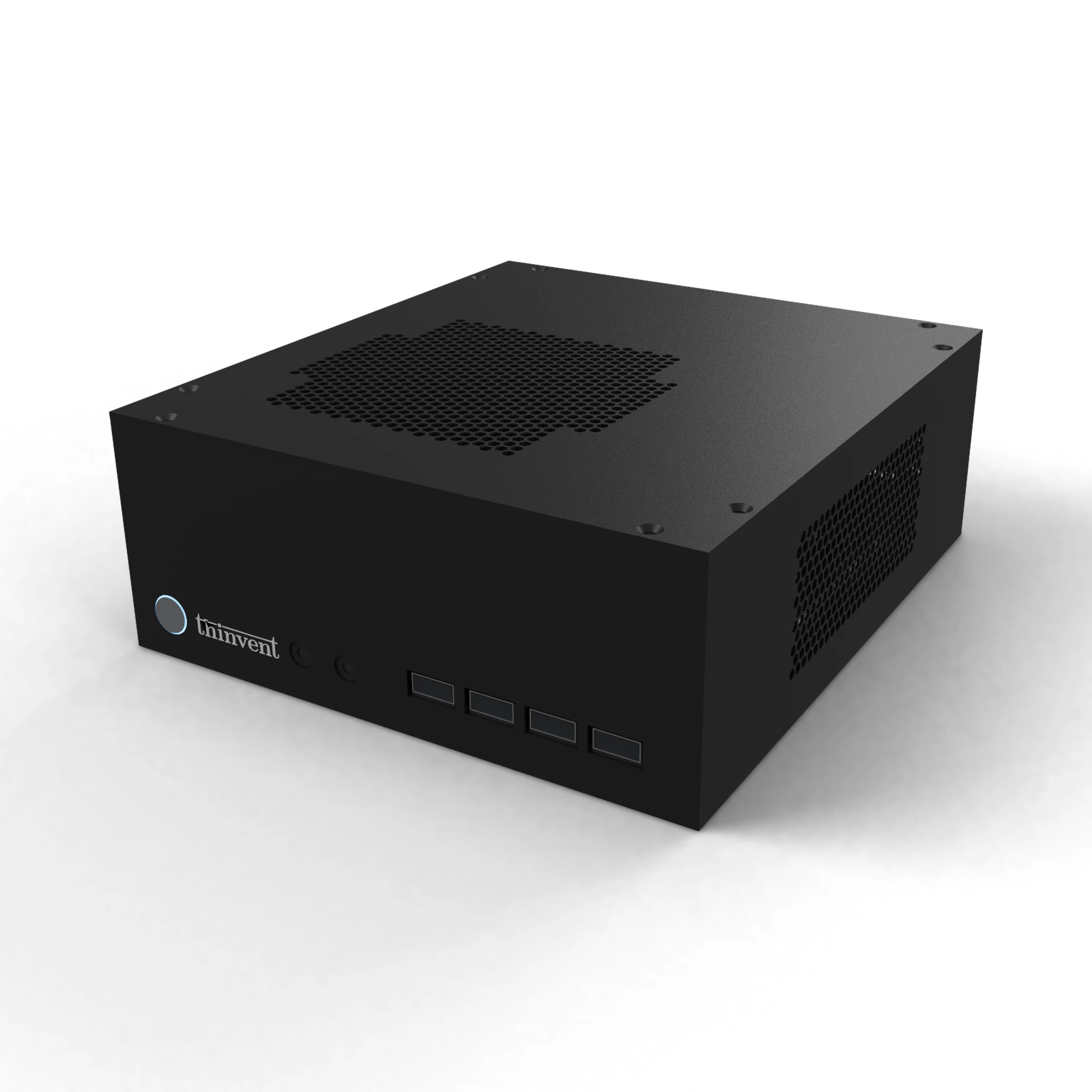
Thinvent offers a comprehensive range of industrial-grade computing solutions that exemplify the principles of rugged, reliable performance. Our Aero Mini PC series, powered by Intel's efficient 12th Gen N100 processor, is a prime example. Available with multiple operating system options including Windows 11 IoT, Windows 11 Pro, and various Linux distributions, these compact systems are built for versatility. With fanless designs for silent operation, robust metal casings, and support for wide-temperature components, Thinvent PCs are engineered to thrive in challenging environments. From automation and kiosks to edge computing and thin client deployments, Thinvent provides the durable hardware foundation needed for critical industrial applications worldwide.