Mini PCs vs Laptops: A Comparative Overview
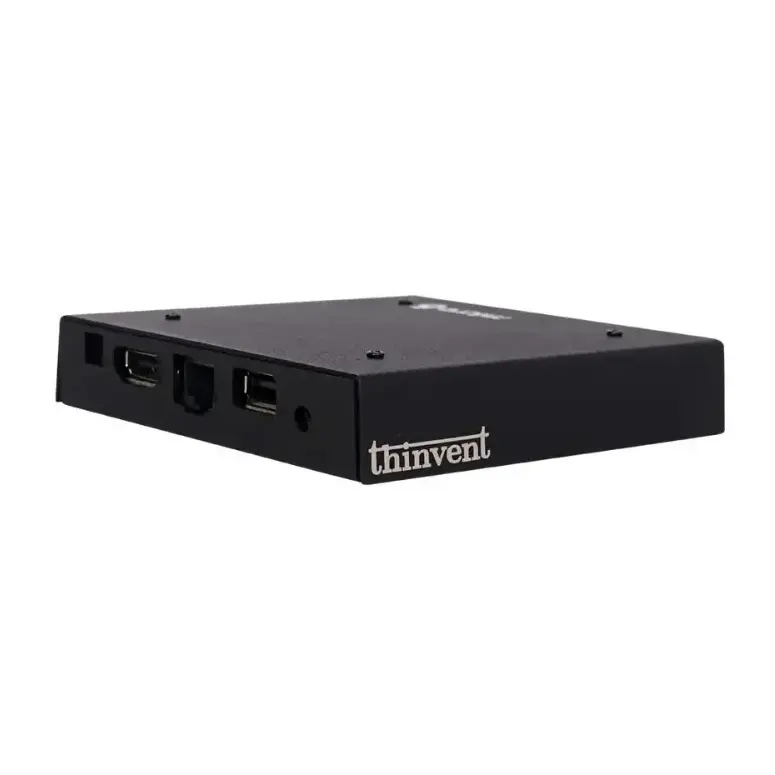
Choosing between a mini PC and a laptop depends largely on your primary use case, need for mobility, and performance requirements. A mini PC is a compact, stationary desktop computer designed for space efficiency and flexible deployment, while a laptop is an all-in-one, portable computing solution with an integrated display, keyboard, and battery. The core difference lies in their form factor and inherent portability, which dictates their ideal applications.
Key Differences: Form Factor, Performance, and Flexibility
Mini PCs excel in scenarios where space is at a premium or where a computer needs to be mounted discreetly, such as behind a monitor or under a desk. They offer significant flexibility for hardware configuration and peripheral connection, often supporting multiple displays and industrial-grade components. Laptops, by design, are self-contained and portable, making them ideal for users who need computing power on the go. However, this portability often comes with thermal constraints that can limit sustained high performance compared to a similarly specced mini PC with better cooling solutions.
| Feature | Mini PC | Laptop |
|---|---|---|
| Portability | Stationary, requires external peripherals | Highly portable, all-in-one unit |
| Form Factor | Ultra-compact, fanless or actively cooled | Integrated clamshell design |
| Performance Potential | Often higher for the same CPU due to better thermal design | Can be limited by thermal and power constraints |
| Upgradability | Generally higher for RAM and storage | Often limited or soldered components |
| Display | Requires external monitor(s) | Integrated display |
| Primary Use Case | Digital signage, kiosks, office workstations, home theater | Mobile computing, business travel, education |
Ideal Applications for Each Platform
Mini PCs are perfectly suited for:
-
Fixed Workstations & Office Desktops: Providing powerful, space-saving computing for everyday tasks.
-
Digital Signage & Kiosks: Their small size allows for hidden installation in retail, hospitality, or public spaces.
-
Home Theater PCs (HTPCs): Connecting directly to a TV for media streaming in a living room setup.
-
Industrial & Embedded Applications: Rugged, fanless designs for harsh environments in manufacturing or automation.
Laptops are the clear choice for:
-
Mobile Professionals & Students: Users who need a full computing experience in different locations.
-
General Consumer Use: A single device for browsing, entertainment, and light productivity at home or on the couch.
-
Presentations & Field Work: Where a self-contained system with a battery is non-negotiable.
Thinvent's Range of Mini PCs for Diverse Needs
Thinvent offers a comprehensive portfolio of mini PCs designed to outperform laptops in specific stationary applications. Our product line spans from ultra-efficient ARM-based thin clients for lightweight tasks to powerful Intel Core-powered mini PCs that rival desktop performance. For example, our Treo and Aero series with Intel N100 and Core i3/i5 processors deliver excellent performance for office productivity and digital signage, while our Industrial PC (IPC) series provides rugged, reliable computing for demanding environments. All Thinvent mini PCs are built for reliability, feature flexible connectivity options, and support a range of operating systems, providing a superior, customizable alternative to a standard laptop for fixed-location deployments.