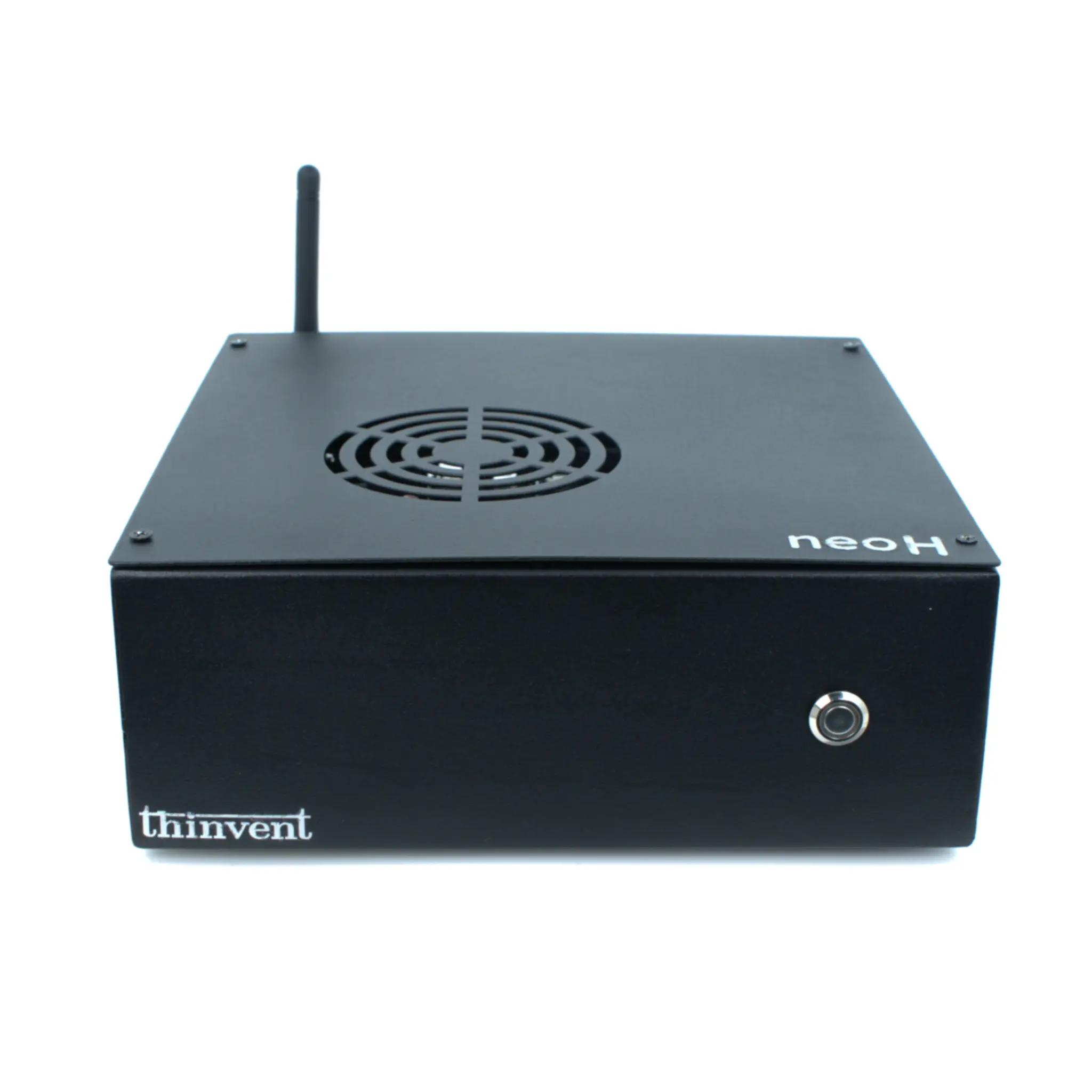
What is a Mini PC?
A Mini PC is a compact, space-saving desktop computer that provides full computing functionality in a significantly smaller form factor than a traditional tower. These systems are designed for efficiency, low power consumption, and reliability, often featuring fanless designs for silent, maintenance-free operation in demanding environments. They are ideal for applications where space is limited, dust and debris are concerns, or where consistent, 24/7 operation is required without the noise or moving parts of a standard PC.
Key Specifications and Technical Details
Modern industrial Mini PCs, like those powered by Intel's N-series processors, offer a robust balance of performance and efficiency. Key specifications typically include:
-
Processor: Energy-efficient Intel processors (e.g., N100) with multiple cores for multitasking.
-
Memory: Configurations from 8GB to 16GB of DDR4 RAM for smooth application performance.
-
Storage: Solid State Drives (SSDs) ranging from 128GB to 512GB for fast boot times and data access.
-
Cooling: Passive, fanless cooling systems that eliminate dust ingress and mechanical failure points.
-
Connectivity: Multiple USB ports (including USB 3.2), HDMI outputs for dual displays, and Gigabit Ethernet for reliable network connectivity.
-
Power: Low-voltage DC input (e.g., 12V), making them suitable for vehicle-mounted or embedded power systems.
Common Use Cases and Applications
The compact and rugged nature of Mini PCs makes them versatile for numerous industrial and commercial settings:
-
Digital Signage & Kiosks: Driving displays in retail, hospitality, and public information points.
-
Industrial Automation: Acting as a controller for PLCs, HMIs, and machine vision systems on the factory floor.
-
Thin Client & VDI: Serving as an endpoint for virtual desktop infrastructure in offices and call centers.
-
Edge Computing: Processing data locally in IoT networks for smart cities, transportation, and logistics.
-
Embedded Systems: Integrated into medical devices, gaming machines, and other specialized equipment.
Comparison: Mini PC vs. Traditional Desktop
| Feature | Industrial Mini PC | Traditional Desktop Tower |
|---|---|---|
| Form Factor | Ultra-compact, mountable (VESA, DIN-rail) | Large, requires significant desk/floor space |
| Cooling | Fanless (passive) or ultra-quiet | Active cooling with multiple fans |
| Power Consumption | Very low (often 10W-30W) | Moderate to High (65W+ for CPU alone) |
| Durability | Designed for wide temperature ranges, shock/vibration | Standard consumer-grade components |
| Deployment | Ideal for space-constrained, harsh, or embedded environments | Best for standard office/desk setups |
Thinvent Mini PCs Featuring This Technology
Thinvent specializes in high-reliability, fanless Mini PCs engineered for industrial durability. Our Aero series, for example, leverages the efficient Intel N100 processor to deliver capable performance in a completely silent, zero-maintenance chassis. These systems are pre-configured with robust memory and storage options and support a variety of operating systems, including Windows 11 IoT, Windows 11 Pro, and Linux distributions, ensuring compatibility with your specific software stack. Built for 24/7 operation, Thinvent Mini PCs are the trusted computing core for digital signage, factory automation, edge computing, and thin client deployments worldwide.