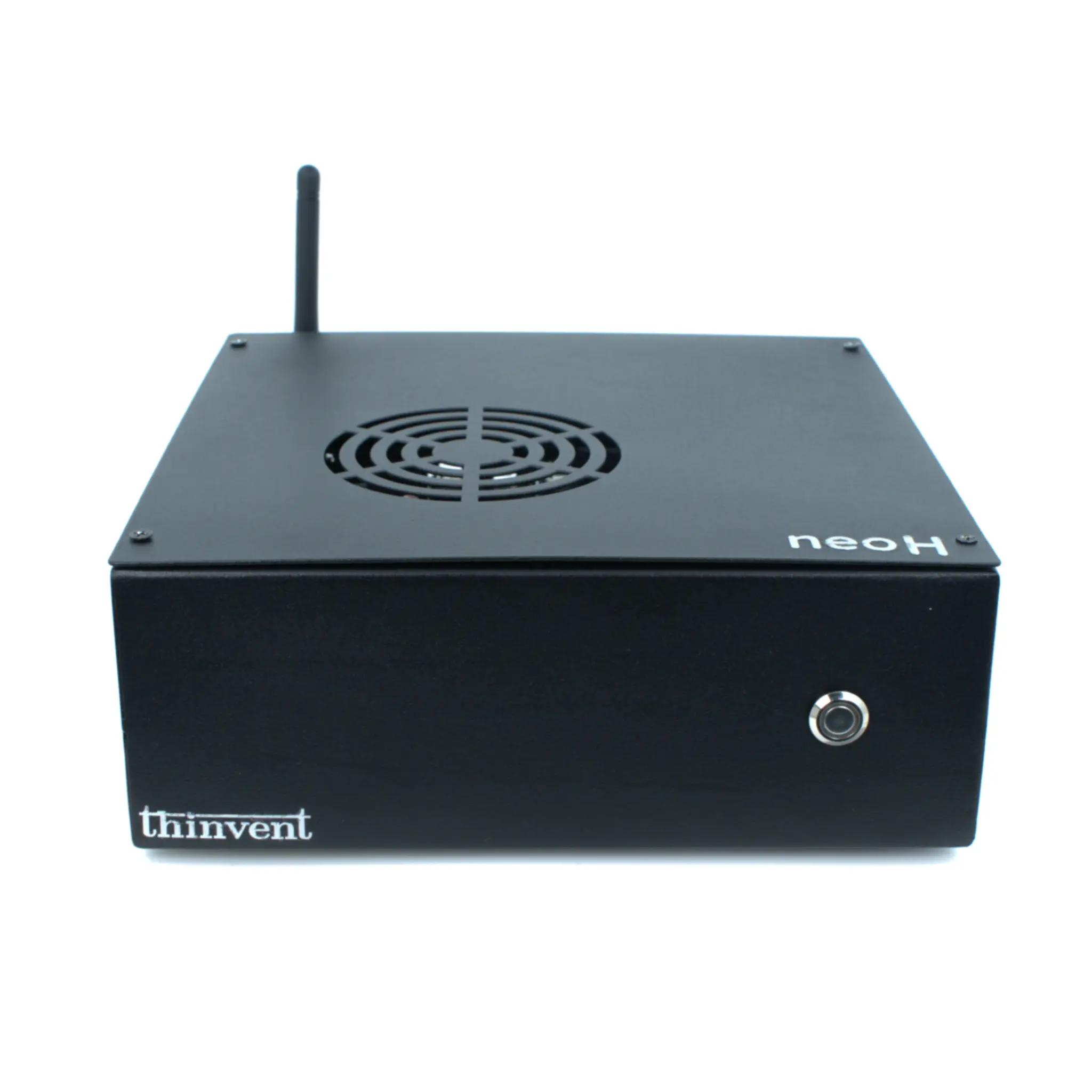
What is a Monitor CPU PC?
A Monitor CPU PC, often called a digital signage player or media player, is a compact, specialized computer designed to drive content on one or more display screens. It is the core processing unit that powers digital signage, information displays, video walls, and interactive kiosks. Unlike a standard desktop PC, these systems are engineered for 24/7 operation, often featuring fanless cooling for silent and reliable performance in public or industrial environments. They connect directly to a monitor or TV via HDMI or DisplayPort to deliver scheduled content, live feeds, or interactive applications.
Key Specifications and Technical Details
These systems prioritize stability, connectivity, and low-power operation. Key specifications include:
-
Processor: Modern, efficient CPUs like Intel's N-series (e.g., N100) or Celeron series, balancing performance with minimal heat output.
-
Memory: Typically 8GB to 16GB of RAM to handle media playback and basic applications smoothly.
-
Storage: Solid-state drives (SSD) from 128GB to 512GB for fast boot times and storing operating systems and content.
-
Connectivity: Multiple HDMI outputs for multi-screen setups, Gigabit Ethernet for network content management, and USB ports for peripherals.
-
Form Factor: Ultra-compact Mini PC designs that mount discreetly behind monitors or on VESA mounts.
-
Operating System: Options include Windows IoT/Pro for broad software compatibility or lightweight Linux distributions for dedicated, secure media playback.
Applications and Use Cases
Monitor CPU PCs are versatile tools for visual communication and control:
-
Digital Signage: Powering advertising screens, menu boards, and informational displays in retail, hospitality, and corporate lobbies.
-
Control Room Monitoring: Driving multiple screens in security operations centers, network monitoring stations, or industrial control rooms.
-
Interactive Kiosks: Providing the computing power for self-service terminals, wayfinding maps, and product catalogs.
-
Thin Client/VDI Endpoints: Acting as a reliable endpoint to access virtual desktops and centralized applications in offices and call centers.
Comparison of Common Processor Options
| Processor Model | Cores/Threads | Typical Use Case | Key Advantage |
|---|---|---|---|
| Intel N100 | 4 Cores / 4 Threads | Basic digital signage, single-screen media playback, thin clients. | Excellent power efficiency, fanless design, low cost. |
| Intel N95 / J4125 | 4 Cores / 4 Threads | Entry-level displays, simple kiosks, lightweight computing. | Reliable performance for basic tasks, highly affordable. |
| Intel i3 / i5 (U-Series) | 6-10 Cores / 8-12 Threads | Multi-screen video walls, interactive applications, advanced control rooms. | Higher performance for demanding graphics and multitasking. |
Thinvent Solutions for Display and Monitoring
Thinvent offers a robust range of industrial-grade Mini PCs perfectly suited for display and monitoring applications. Our Aero Series features fanless, compact designs powered by efficient Intel processors like the N100, ensuring silent and reliable 24/7 operation. These systems come pre-configured with various operating system options, including Windows and Linux, to fit your specific software needs. With multiple video outputs, industrial-grade components, and versatile mounting options, Thinvent PCs provide a dependable and scalable foundation for any digital signage, kiosk, or monitoring deployment worldwide.