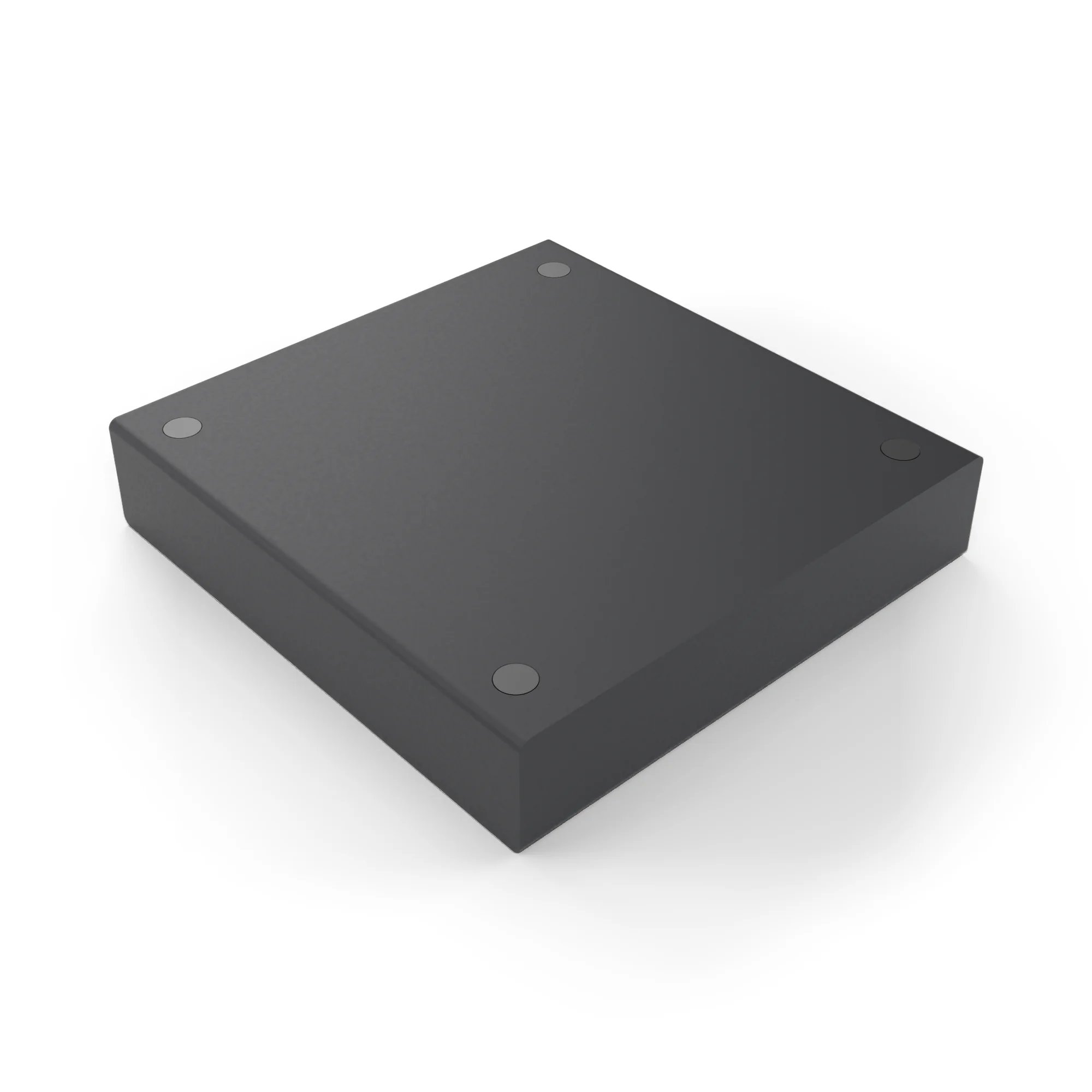
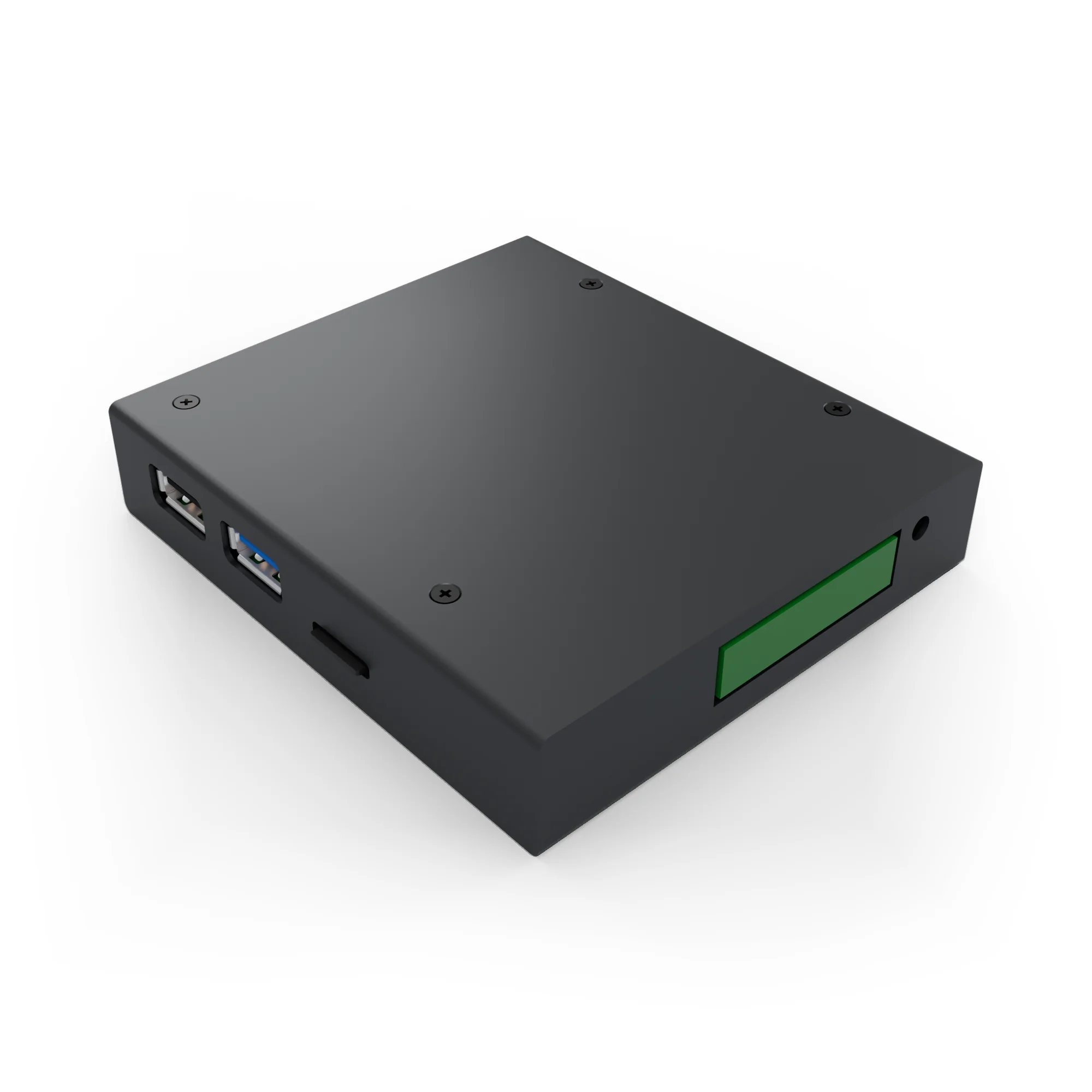
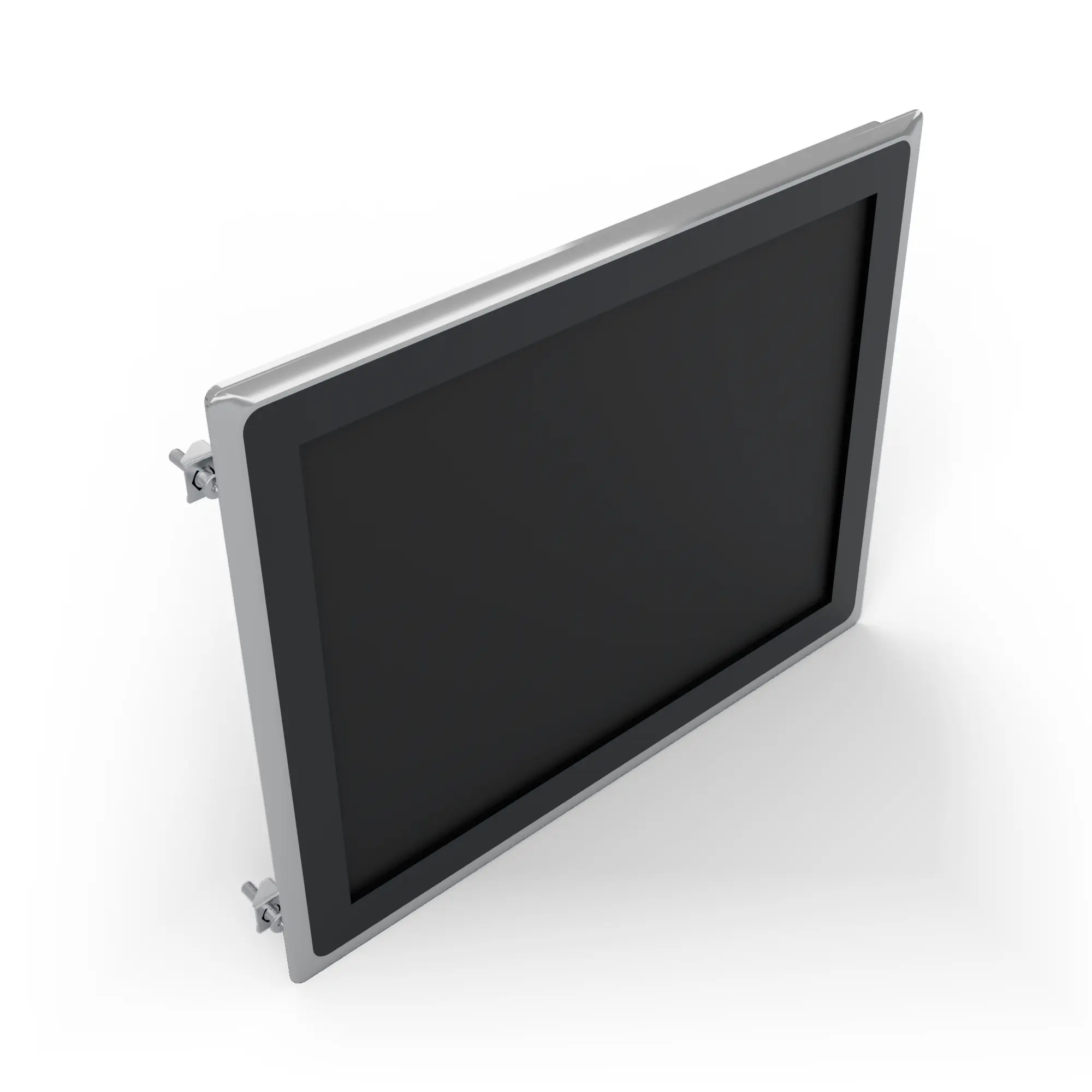
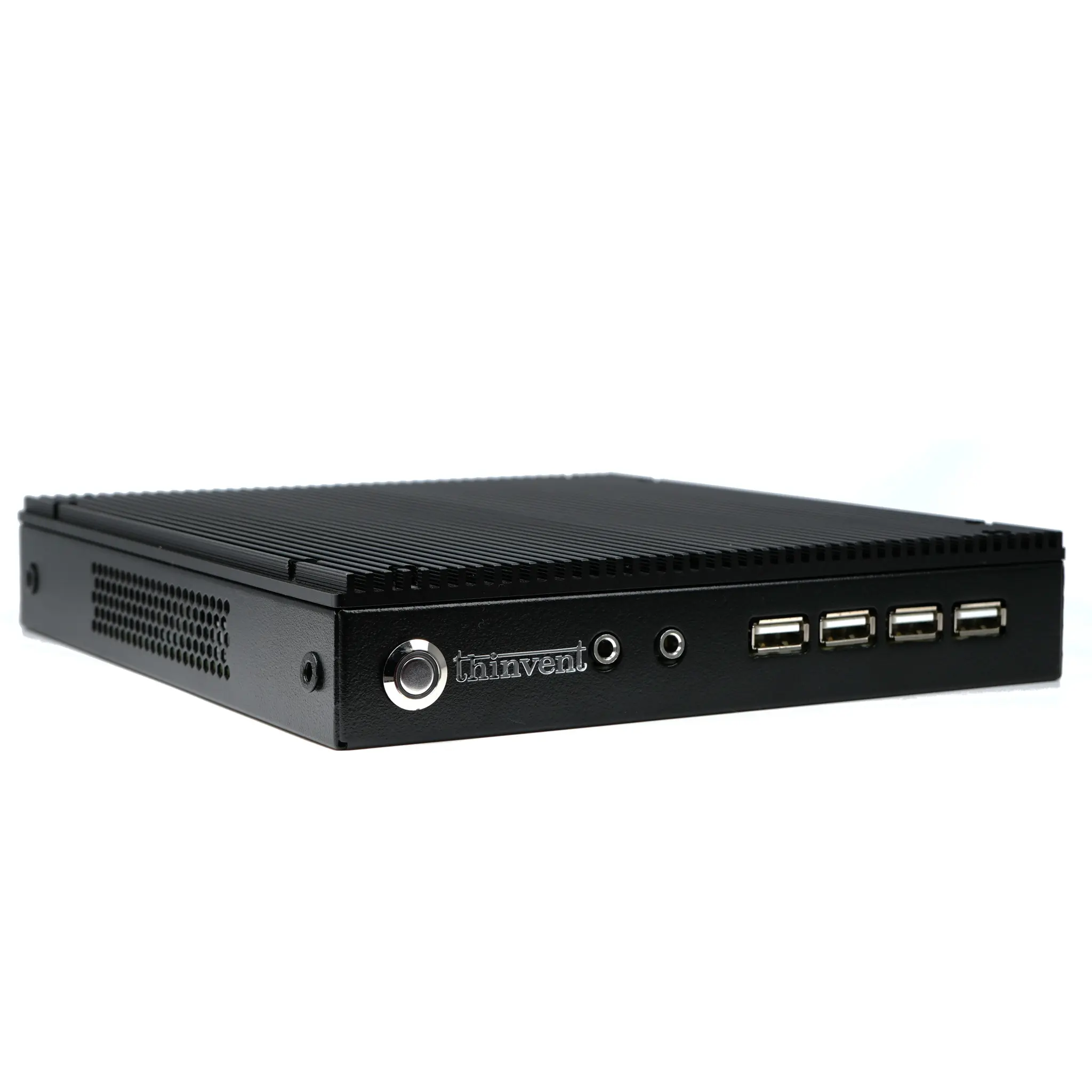
Industrial Mini PCs are compact, robust computing systems engineered for demanding environments like factory floors, automation systems, and embedded applications. Unlike standard desktop computers, they are built to withstand extreme temperatures, dust, vibration, and continuous 24/7 operation. These systems prioritize reliability, long-term availability of components, and industrial-grade connectivity to interface seamlessly with machinery, PLCs, and sensors. They are the computational backbone for modern Industrial IoT (IIoT), enabling data acquisition, process control, and edge computing.
Key Specifications and Features
A robust industrial mini PC is defined by its core components and durability features. Central to performance is a low-power, efficient processor like the Intel N100, which offers 4 cores and a boost frequency up to 3.4 GHz for handling multiple automation tasks. Adequate memory, such as 16GB DDR4 RAM, ensures smooth multitasking, while solid-state drives (SSDs) provide fast, reliable storage resistant to shocks. Critical specifications include:
-
Rugged Design: Often fanless for silent, maintenance-free operation and protection against particulate ingress.
-
Wide Operating Temperature Range: Functioning reliably in both very cold and hot industrial settings.
-
Industrial Connectivity: Multiple COM ports (RS-232/485), LAN ports, and expansion slots for PCIe or GPIO cards.
-
Power Supply: Support for wide-range DC input (e.g., 9-36V DC) common in industrial environments.
-
Mounting Options: VESA, DIN-rail, or wall-mounting for flexible installation in control cabinets.
Applications and Use Cases
These specialized computers are deployed across numerous sectors. In Factory Automation, they serve as machine controllers, HMI (Human-Machine Interface) stations, and data loggers. For Embedded Systems, they power digital signage, kiosks, and interactive displays in public spaces. Within the Transportation and Logistics sector, they manage fleet telematics and warehouse automation. A key growing application is Edge Computing, where these PCs process data locally from sensors and cameras for real-time analytics, reducing latency and bandwidth costs before sending insights to the cloud.
Comparison: Industrial vs. Commercial Mini PCs
| Feature | Industrial Mini PC | Commercial/Consumer Mini PC |
|---|---|---|
| Operating Temperature | Wide range (e.g., -20°C to 70°C) | Narrow range (typically 5°C to 35°C) |
| Durability | Fanless, resistant to vibration/shock | Often includes cooling fans, less robust |
| Component Lifespan | Long-term availability (5-10+ years) | Short lifecycle, frequent model changes |
| Power Input | Wide-range DC (e.g., 9-36V DC) | Standard AC adapter |
| I/O & Expansion | Industrial ports (COM, GPIO, PCIe) | Standard ports (USB, HDMI, Audio) |
| Operating System | Support for IoT/Embedded OS (Windows IoT, Linux) | Standard consumer OS |
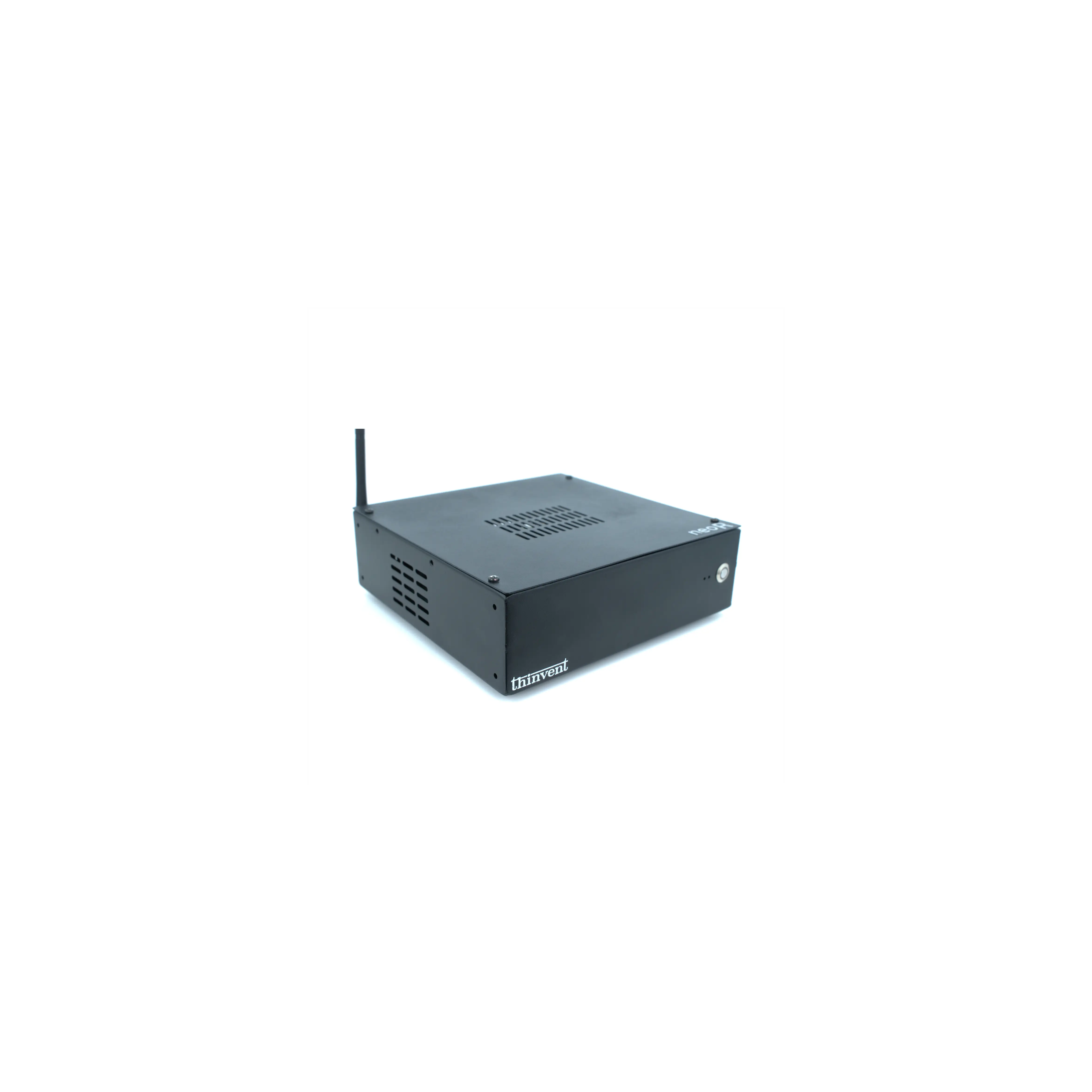
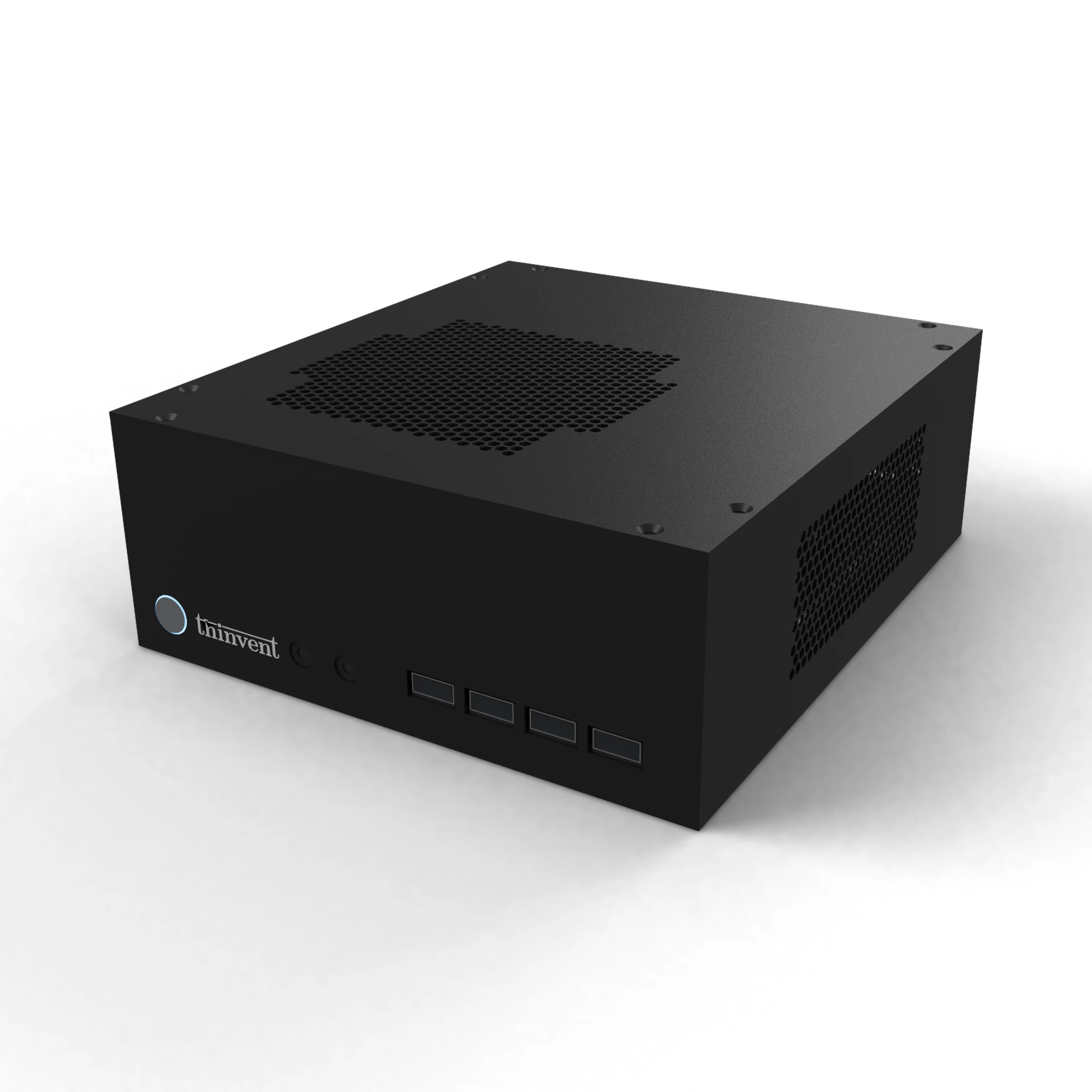
Thinvent Industrial Mini PCs for Embedded Automation
Thinvent offers a range of industrial-grade mini PCs designed to meet the rigorous demands of automation and embedded systems. Our Thinvent® Aero Mini PC series exemplifies this commitment, featuring the efficient Intel® processor N100 with 4 cores, up to 3.4 GHz frequency, and 6MB cache. Configured with 16GB DDR4 RAM and fast SSD storage, it delivers reliable performance for control and monitoring tasks. A key advantage is the flexible operating system support, including Windows 11 IoT/Pro for familiar industrial software, Ubuntu Linux for open-source applications, and our proprietary Thinux™ Embedded Linux for a secure, lightweight environment. Built with a fanless design for silent operation and durability, and offering multiple configuration bundles (including optional keyboard and mouse sets), Thinvent Aero Mini PCs provide a versatile and robust computing solution for global automation projects.