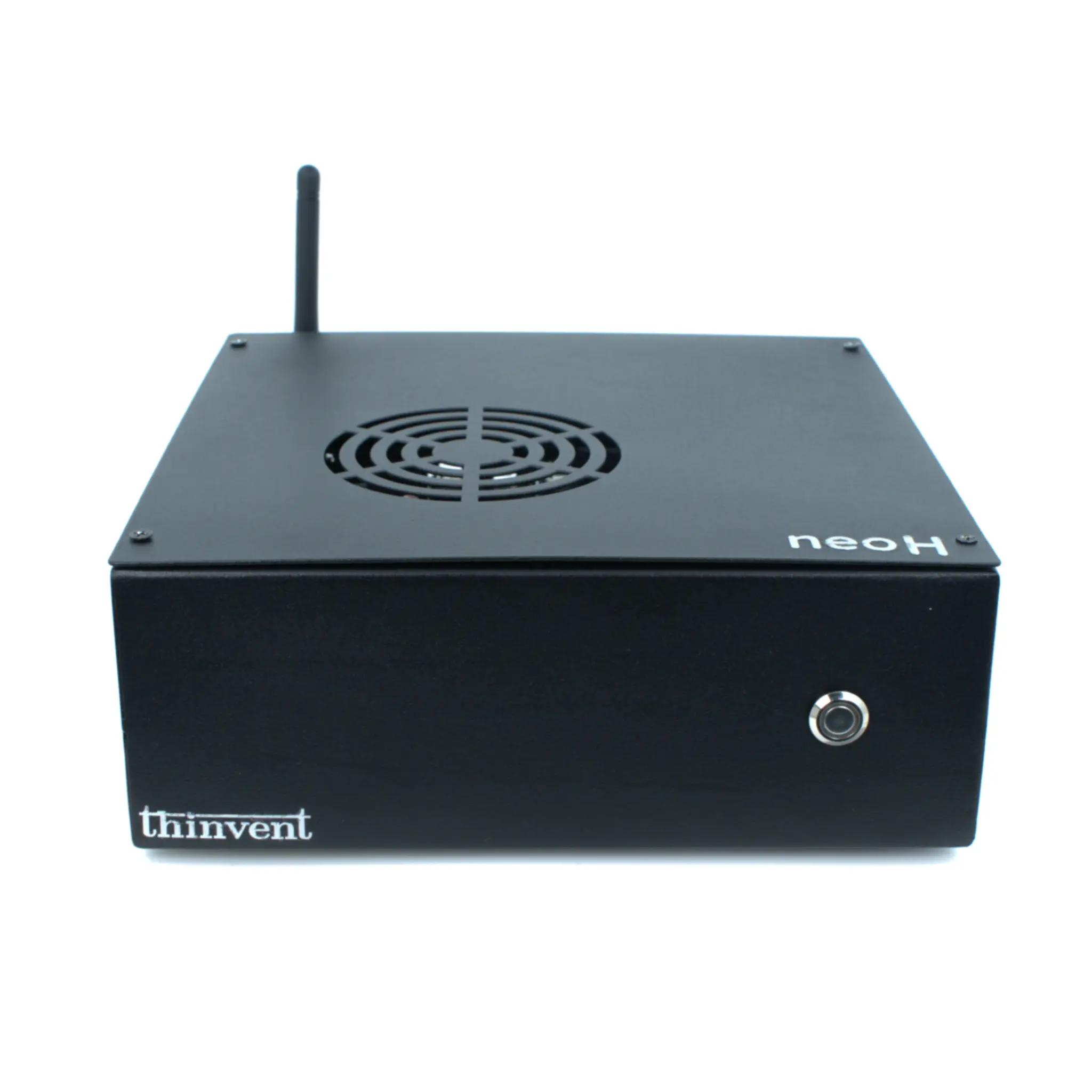
What is a Multi-CPU PC?
A Multi-CPU PC, also known as a multi-processor system, is a computer that contains two or more central processing units (CPUs) on a single motherboard or within a single system enclosure. This architecture is designed to deliver significantly higher computational power, parallel processing capabilities, and system reliability compared to single-CPU configurations. These systems are engineered for demanding workloads that require immense processing throughput, extensive multi-threading, and high availability.
Key Specifications and Technical Details
True multi-CPU systems are distinct from modern multi-core processors. While a single CPU can have multiple cores (e.g., 4, 8, 16 cores), a multi-CPU system multiplies that capability by adding separate physical processor sockets. Key technical aspects include:
-
Increased Core/Thread Count: Doubling or quadrupling the total available processing cores and threads for parallel task execution.
-
Enhanced Memory Bandwidth: Multiple CPUs typically provide access to separate memory channels, vastly increasing total memory capacity and bandwidth.
-
Robust I/O Capabilities: These systems are built with multiple high-speed PCIe lanes, numerous USB ports, and multiple network interfaces to handle data from many sources simultaneously.
-
Industrial-Grade Design: They often feature fanless cooling for silent, dust-proof operation, wide voltage input ranges, and extended temperature tolerance for 24/7 reliability in harsh environments.
Use Cases and Applications
Multi-CPU PCs are not for everyday computing. They are specialized tools for professional and industrial scenarios where processing power is the primary bottleneck.
-
Scientific Computing & Simulation: Running complex computational fluid dynamics (CFD), finite element analysis (FEA), and molecular modeling.
-
Media & Entertainment: High-end video rendering, 3D animation, and real-time visual effects (VFX) processing.
-
Data Science & AI: Training machine learning models, processing big data analytics, and running complex algorithms.
-
Virtualization & Server Consolidation: Hosting multiple virtual machines (VMs) or containerized applications on a single physical host.
-
Financial Modeling & Trading: Executing high-frequency trading algorithms and running complex risk analysis simulations.
Comparison: Multi-CPU vs. High-Core-Count Single CPU
| Feature | Multi-CPU System (e.g., Dual Xeon) | High-Core-Count Single CPU (e.g., Core i9) |
|---|---|---|
| Total Core/Thread Count | Very High (e.g., 32+ cores / 64+ threads) | High (e.g., 16-24 cores / 32-48 threads) |
| Memory Capacity | Extremely High (Often 512GB - 1TB+) | High (Typically 128GB - 256GB) |
| PCIe Lane Availability | Very High (Essential for multiple GPUs/NVMe drives) | Moderate |
| System Cost | Premium | Lower relative cost |
| Primary Use Case | Mission-critical servers, workstations for extreme parallel workloads | High-performance desktops, enthusiast workstations |
Thinvent's High-Performance Computing Solutions
While Thinvent specializes in robust, fanless industrial computers, our product line includes powerful systems that address the core need behind a "Multi-CPU PC" query: exceptional parallel processing capability. Our high-performance industrial PCs and workstations leverage the latest Intel Core i5 and i7 processors with high core counts (e.g., 10, 12, 14 cores), substantial memory support (up to 64GB), and versatile I/O. Built for reliability in challenging conditions, these systems are ideal for edge computing, industrial automation, digital signage, and other demanding applications where sustained performance and durability are critical. Explore our range to find a solution that balances raw processing power with industrial-grade resilience.