What Is an Industrial Computer?
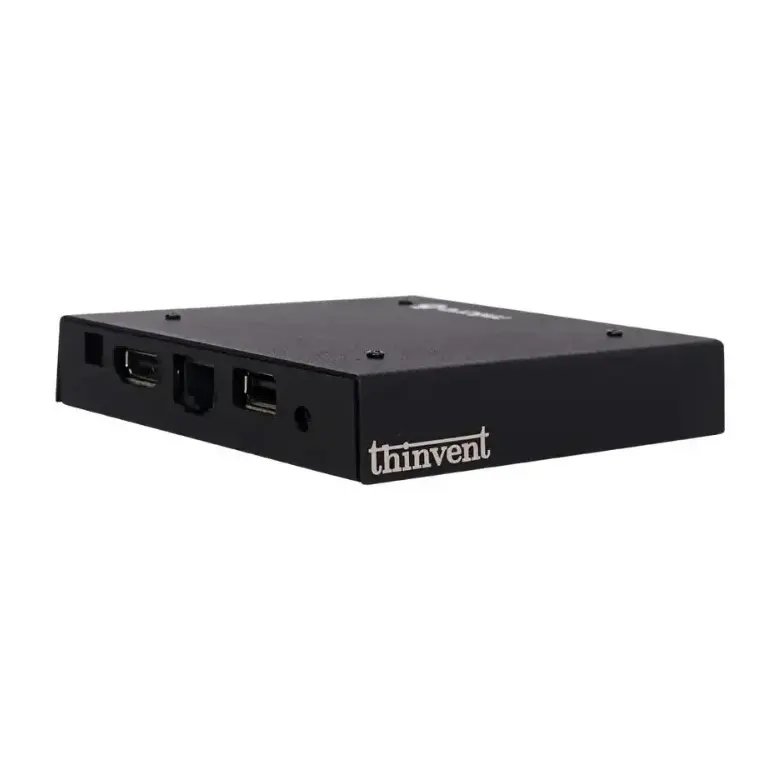
A máy tính công nghiệp (industrial computer) is a ruggedized computing system designed to run continuously in environments where a standard office PC would quickly fail. Unlike consumer desktops, industrial computers are engineered for wide-temperature operation, vibration resistance, dust and moisture protection, and long-term component availability. They are typically fanless, using passive heat sinks and a metal chassis to dissipate heat, which eliminates the intake of airborne dust and removes the only moving part most likely to fail.
Key Specifications to Consider
When selecting an industrial computer, the most important specifications are the processor, memory, storage, I/O, and power input. Modern industrial PCs commonly use Intel® Core™ or Intel® N-series processors, which balance performance with low power draw. Fanless designs are usually rated for a wide operating temperature range and are powered by DC inputs such as 12V, making them suitable for cabinets, kiosks, and vehicle installations.
| Feature | Typical Industrial PC | Standard Office PC |
|---|---|---|
| Cooling | Fanless, passive | Active fan |
| Operating temperature | Wide range | Narrow, indoor only |
| Power input | 12V/24V DC | AC mains |
| Mounting | DIN rail, VESA, wall | Desk only |
| Longevity | Long-term supply | Short lifecycle |
| Serial ports | Multiple (RS-232/485) | Rare or none |
Use Cases and Applications
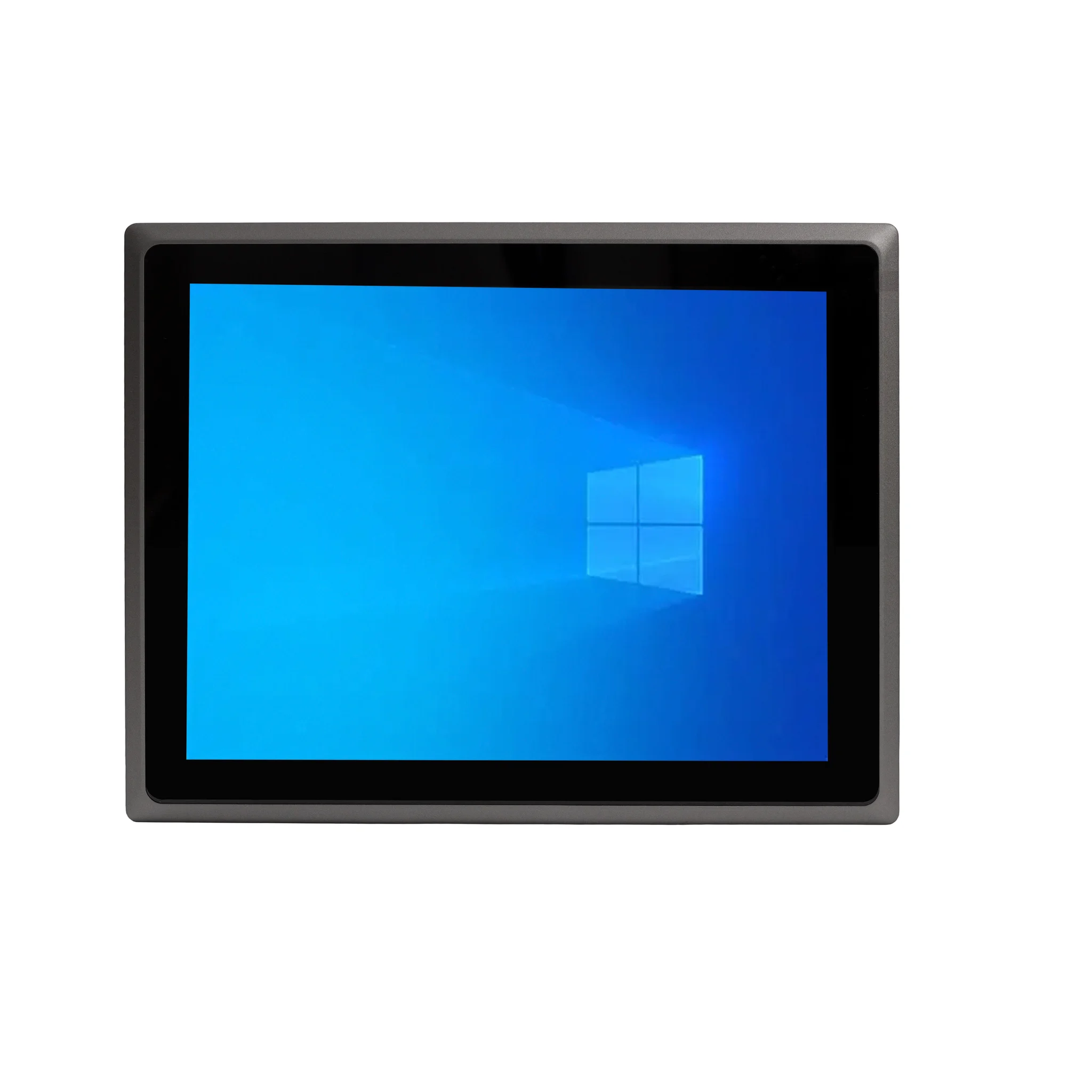
Industrial computers are deployed across manufacturing, logistics, energy, and infrastructure. Common applications include SCADA and HMI terminals on production lines, machine vision and quality inspection stations, digital signage and wayfinding kiosks, access control and surveillance management, and edge gateways collecting data from PLCs and sensors. In these roles, reliability matters more than raw speed: a system that stays online for years without maintenance is worth far more than one that is marginally faster but needs constant attention.
Serial Connectivity and Edge I/O
Many industrial installations still rely on legacy serial devices, so industrial PCs frequently include multiple DB9 RS-232 or RS-485 ports for connecting PLCs, meters, barcode scanners, and older controllers. Combined with dual Gigabit Ethernet, HDMI output, and USB 3.2 ports, a well-specified industrial computer can serve as a single hub for both modern and legacy equipment on the factory floor.
Thinvent Industrial Computers
Thinvent manufactures industrial computers built for continuous operation in demanding environments. The IPC3 series pairs Intel® Core™ i3-1215U processors (6 cores, up to 4.4 GHz, 10 MB cache) with 16GB DDR4 RAM and 1TB SSD storage, and is available with quad DB9 serial ports for legacy device integration. Options include Windows 11 Pro, Windows 11 IoT Value, DOS, or Thinux™ Embedded Linux, with fanless cooling and 12V DC power for reliable deployment in cabinets, kiosks, and control rooms worldwide.