Understanding NanoPi Zero and Embedded ARM Mini PCs
The NanoPi Zero series represents a class of ultra-compact, low-power single-board computers (SBCs) designed specifically for embedded applications, IoT gateways, and headless industrial deployments. These devices typically feature ARM Cortex-A series processors (such as the quad-core Cortex-A53 at up to 2.0 GHz), 1-2 GB of LPDDR4/RAM, and storage options including microSD cards and eMMC flash modules. Their diminutive form factor—often measuring just 45×45 mm—makes them ideal for space-constrained environments where traditional PCs cannot fit.
Key specifications for embedded ARM mini PCs like the NanoPi Zero2 include Gigabit Ethernet connectivity for reliable networking, M.2 Key-E sockets for WiFi module expansion, and support for Linux-based operating systems (Ubuntu, Debian, FriendlyWrt). These systems are designed for headless operation (no display required) and excel in always-on, low-power scenarios such as smart home gateways, network routers, industrial controllers, and sensor data aggregation points.
Applications and Use Cases
Embedded ARM mini PCs are deployed across numerous industrial and commercial verticals:
-
IoT Gateways: Collecting and processing data from sensors, then transmitting it to cloud platforms via Ethernet or WiFi.
-
Network Appliances: Acting as firewalls, VPN routers, or DNS servers in small office/home office environments.
-
Digital Signage Controllers: Driving displays in retail or hospitality settings with low power consumption.
-
Industrial Automation: Controlling machinery, monitoring production lines, or running SCADA interfaces.
-
Edge Computing: Performing local data processing and analytics to reduce latency and bandwidth usage.
The low power draw (typically 5V 2A or less) and fanless design ensure silent, reliable operation in environments where dust, vibration, or noise are concerns.
Comparison: Embedded ARM vs. Traditional Industrial PCs
| Feature | Embedded ARM SBC (e.g., NanoPi Zero2) | Traditional Industrial PC (e.g., Thinvent IPC) |
|---|---|---|
| Processor | ARM Cortex-A53/A55 (quad-core, ~1.5-2.0 GHz) | Intel Core i3/i5/N-series (up to 12 cores, 5.0 GHz) |
| RAM | 1-4 GB LPDDR4 | 4-64 GB DDR4 |
| Storage | microSD, eMMC (16-64 GB) | SSD (128-1024 GB) |
| Power Consumption | ~5W (5V 2A) | ~15-65W (12V 5-7A) |
| Operating System | Linux (Ubuntu, Debian, FriendlyWrt) | Windows 11 Pro, Ubuntu, Windows IoT |
| Form Factor | Ultra-compact (45×45 mm) | Mini PC or chassis-based IPC |
| Use Case | IoT, low-power embedded, headless | High-performance industrial, multitasking |
Thinvent's Product Range for Embedded Applications
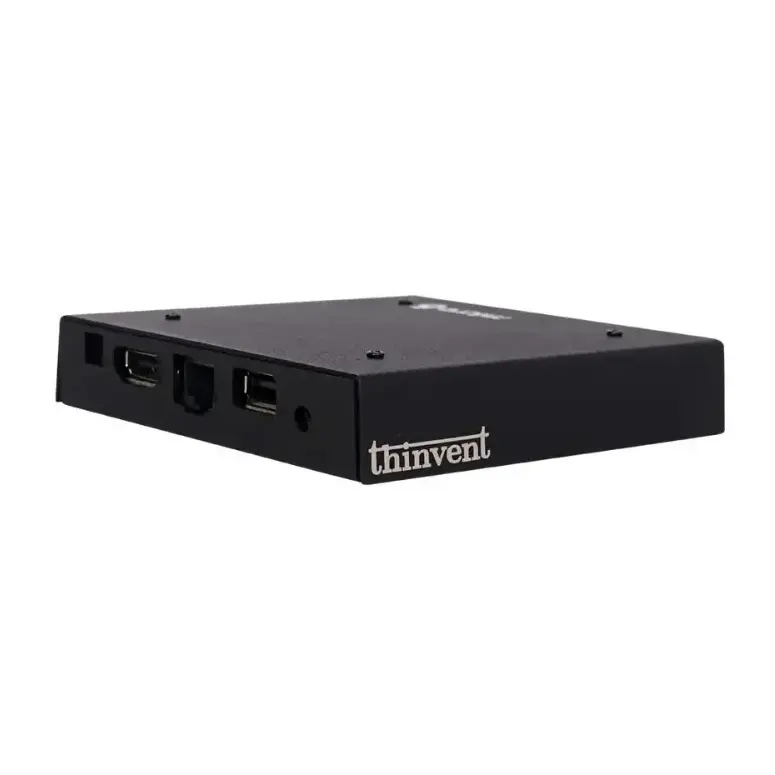
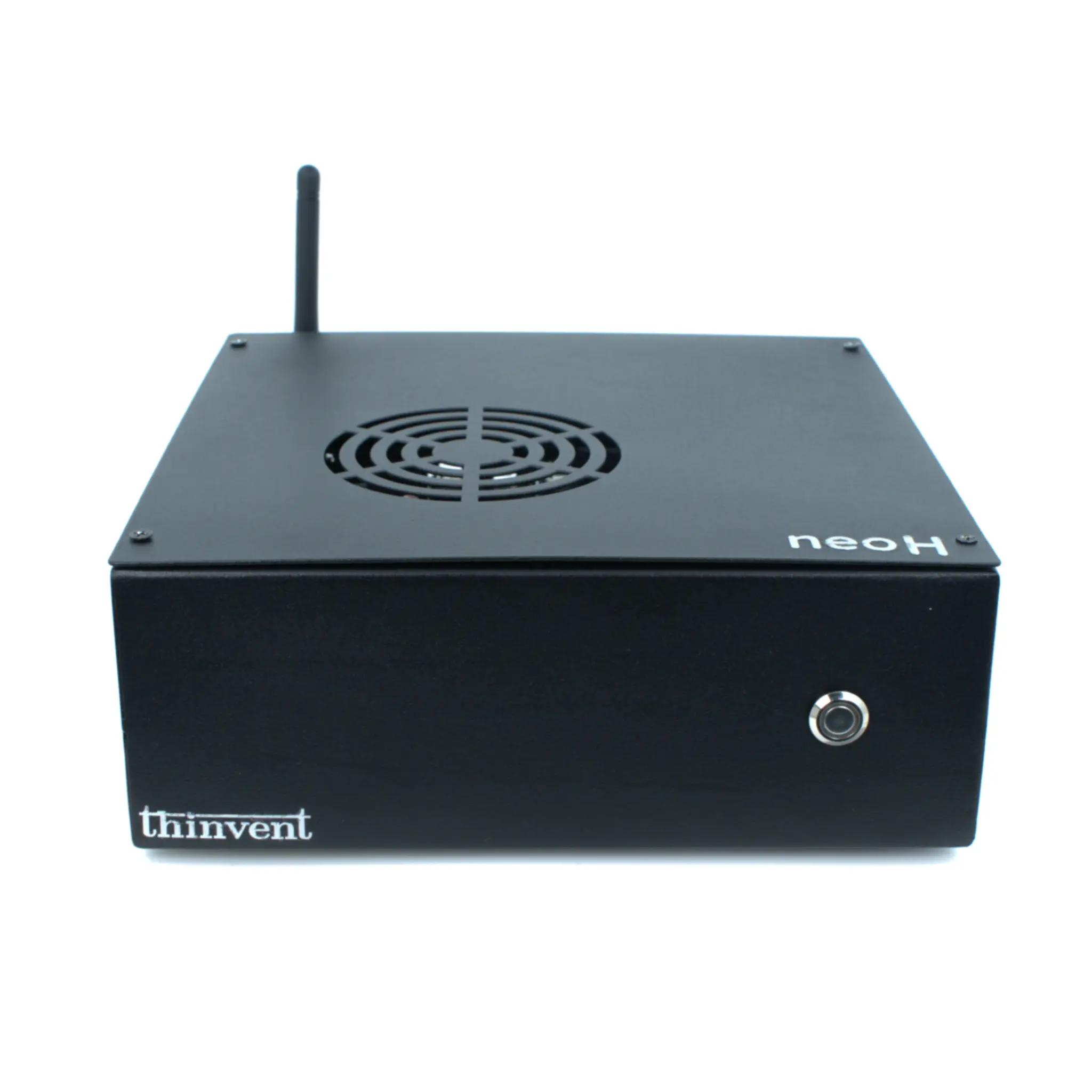
Thinvent offers a comprehensive selection of ARM-based mini PCs and thin clients that serve as excellent alternatives to the NanoPi Zero for professional embedded deployments. Our Micro 5 Wifi Thin Client features an ARM Cortex A53 quad-core processor, 2GB onboard RAM, 16GB eMMC storage, and dual-band WiFi—ideal for IoT gateways and lightweight embedded tasks. The Micro 6 Pro Mini PC upgrades to a Cortex A55 processor with 4GB RAM and 64GB eMMC, providing additional headroom for more demanding applications. Both run Thinux™ Embedded Linux, our optimized OS for industrial reliability. For customers requiring higher performance, Thinvent also offers Intel-based industrial PCs (IPC1, IPC3, IPC5) with N100, i3, and i5 processors respectively, providing a scalable path from ARM-based embedded systems to x86-based industrial computing.