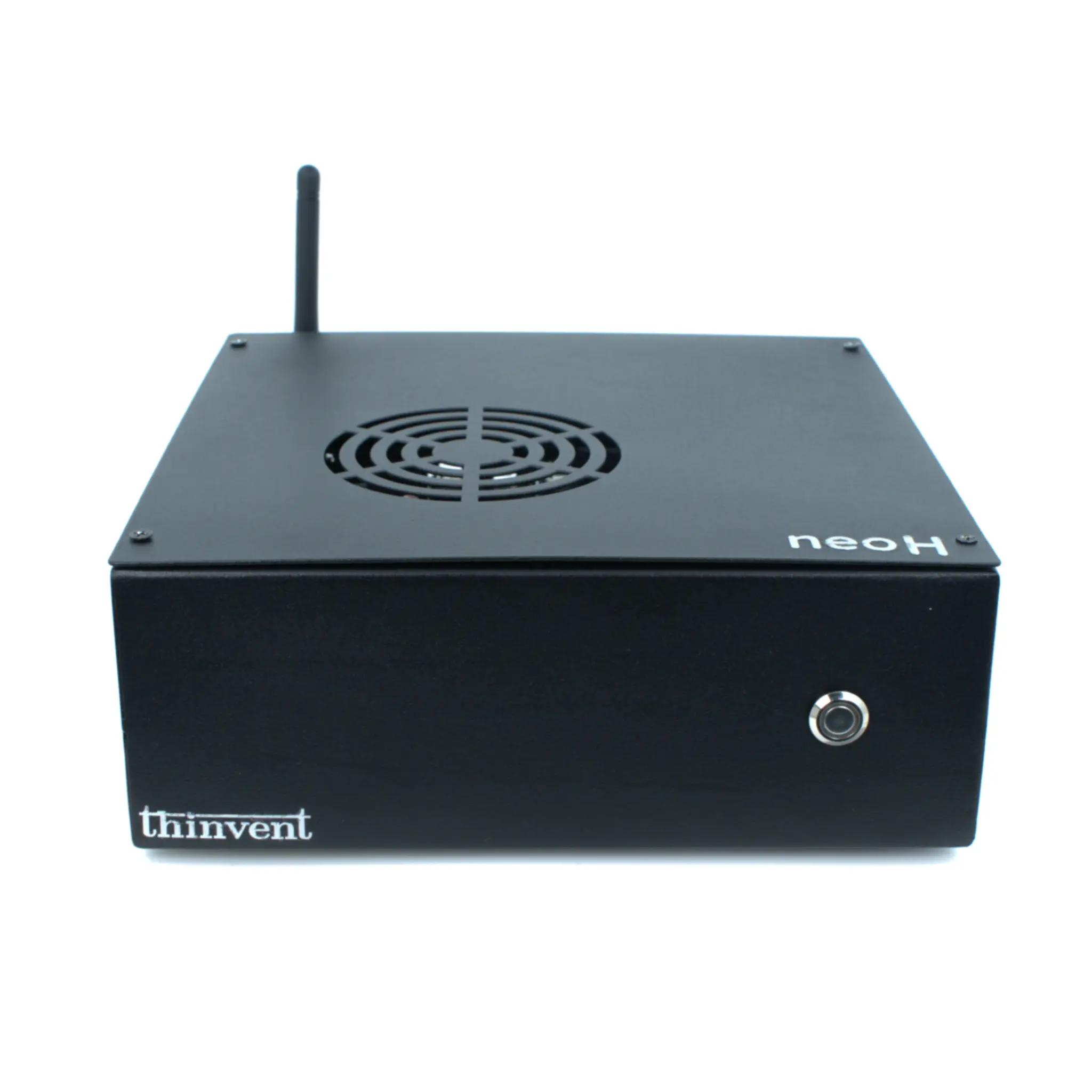
A Network Attached Storage (NAS) system is a dedicated file storage device that provides centralized data access to a network of authorized users and clients. Unlike general-purpose servers, a NAS is optimized for file serving, data backup, and media streaming, offering a cost-effective and efficient way to manage and share data across home offices, small businesses, and enterprise environments. For a robust NAS, the core hardware must balance processing power, memory, storage capacity, and network connectivity to handle simultaneous data requests, run background services, and ensure data integrity.
Key specifications for a NAS system revolve around reliable, always-on operation. A multi-core processor (Intel or ARM-based) with efficient power consumption is ideal for handling file transfers and running lightweight applications. Adequate RAM (typically 8GB or more) is crucial for caching frequently accessed files and supporting multiple users. The most critical component is storage: a NAS should support multiple SATA or NVMe drives, often in a RAID configuration for redundancy. High-speed Gigabit Ethernet (or multiple ports for link aggregation) is essential for fast network throughput, while USB ports facilitate easy expansion or backup to external drives.
Primary Use Cases and Applications:
-
Centralized File Server: Provides a single, secure location for documents, projects, and media, accessible by all team members.
-
Data Backup & Recovery: Automates backups for PCs and servers, protecting against data loss with RAID mirroring or parity.
-
Media Streaming: Serves as a personal media library for streaming video, music, and photos to smart TVs, phones, and tablets.
-
Surveillance Storage: Acts as a recording destination for IP security camera systems, storing weeks or months of footage.
-
Virtual Machine Storage: Provides shared storage for hypervisors in small-scale virtualization setups.
When selecting hardware, consider the scale of your deployment. For a basic home or small office NAS for file sharing and backups, an efficient Intel N-series (e.g., N100) or ARM-based system with 8GB RAM is sufficient. For a business NAS handling multiple users, virtualization, or as a database backend, a more powerful Intel Core i3/i5 processor from the 12th generation or newer, 16GB+ RAM, and support for multiple high-capacity drives is recommended.
| Feature | Home / SOHO NAS | Business / Prosumer NAS |
|---|---|---|
| Processor | Intel N100, ARM Cortex | Intel Core i3/i5 (12th Gen+) |
| RAM | 8 GB | 16 GB - 32 GB |
| Storage Bays | 2-4 Bays | 4-8+ Bays |
| Network | 1-2 x Gigabit Ethernet | 2 x Gigabit (Link Aggregation), 2.5GbE |
| Use Case | File Sharing, Media, Backups | Multi-user File Server, VM Storage, Surveillance |
Thinvent Solutions for Network Attached Storage
Thinvent's range of compact and industrial computing solutions provides an excellent hardware foundation for building reliable NAS systems. Our fanless and low-power designs ensure silent, 24/7 operation ideal for home offices and server closets. For entry-level NAS builds, the Thinvent Treo Mini PC and Industrial PC IPC1, featuring the efficient Intel N100 processor, offer a perfect balance of performance and power efficiency for file serving and backup duties.
For more demanding business environments that require higher throughput and the ability to run containerized applications (like Plex, Nextcloud, or TrueNAS), our Industrial PC IPC3 with an Intel Core i3-1215U processor or the Aero Mini PC with a 14th Gen Intel Core 5 120U provides substantial multi-core performance and support for greater RAM capacity. All Thinvent systems feature robust construction, multiple storage connectivity options, and Gigabit Ethernet, making them dependable, customizable building blocks for your tailored network storage solution.