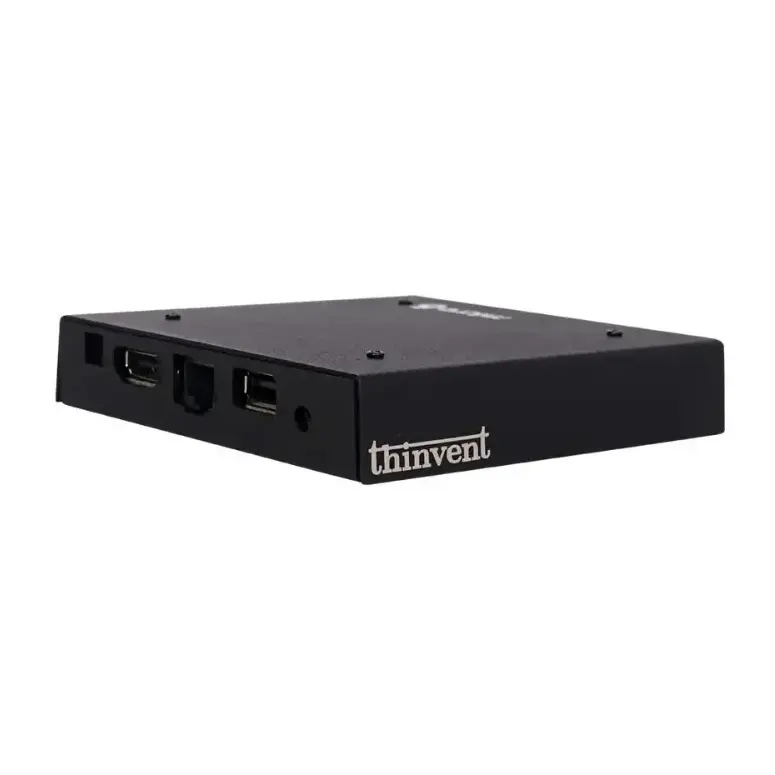
An Ncomputing box is a compact, low-power client device designed for Virtual Desktop Infrastructure (VDI) and desktop virtualization. It connects to a central server or cloud-hosted virtual desktop, allowing multiple users to share computing resources from a single host. These devices are engineered for simplicity, energy efficiency, and centralized management, making them ideal for environments where deploying full desktop PCs is impractical or costly.
Key Specifications and Technology
Modern Ncomputing-style devices are characterized by their fanless, solid-state design for silent and reliable operation. They typically feature energy-efficient processors like Intel's N-series, sufficient RAM for smooth remote session operation (often 4GB to 16GB), and modest local storage (e.g., 64GB to 256GB SSD) for the operating system and cache. Connectivity is a critical aspect, with these boxes offering multiple display outputs (HDMI, DisplayPort), Gigabit Ethernet for stable network connections, and USB ports for peripherals. They run lightweight or embedded operating systems optimized for remote desktop protocols like RDP, Citrix HDX, or VMware Blast.
Applications and Use Cases
The primary application is in centralized computing environments. They are extensively used in education for computer labs, in healthcare for accessing Electronic Health Records (EHR) systems at nurse stations, in call centers for agent workstations, and in retail for point-of-sale and digital signage. Their small form factor allows for mounting behind monitors or under desks, saving significant space. By centralizing processing power on servers, they reduce overall energy consumption, simplify software updates and security management, and extend the lifecycle of the endpoint hardware.
Comparison: Thin Client vs. Mini PC for VDI
While both can serve as VDI endpoints, there are key differences:
| Feature | Traditional Thin Client (Ncomputing-style) | Performance Mini PC |
|---|---|---|
| Primary Role | Dedicated VDI/remote session endpoint | General-purpose computing, can also run VDI |
| Processing Power | Low, just enough for protocol decoding | Moderate to High, for local applications |
| Local Storage | Minimal (for OS) | Substantial (for local apps and data) |
| Flexibility | Low; locked to remote session | High; can operate independently |
| Total Cost of Ownership | Lower (hardware + centralized management) | Variable (higher upfront, more versatile) |
| Ideal For | Static, task-based roles (data entry, kiosks) | Hybrid or power-user roles needing local compute |
Thinvent Products for VDI and Centralized Computing
Thinvent offers a range of industrial-grade mini PCs that are perfect for building robust and reliable VDI endpoints or standalone thin clients. Our Aero Mini PC series, for example, features the efficient Intel N100 processor in a completely fanless chassis, ensuring silent operation in sensitive environments. With options for Windows IoT, Windows Pro, or various Linux distributions, they provide the flexibility to support nearly any remote desktop protocol or management software. Built for 24/7 operation, these devices deliver the durability, connectivity, and performance required for modern virtualized workspaces in education, enterprise, and industrial settings.