What "PAT" Means in Industrial Computing
"PAT" is a short query that can point to several things depending on context. In industrial computing it most often refers to Port Address Translation (PAT), a form of network address translation (NAT) that lets many devices on a plant floor share a single public IP address by mapping each internal connection to a unique port number. It can also stand for Process Analytical Technology, the framework used in pharmaceutical and process manufacturing to monitor and control production in real time, or simply be an abbreviation a buyer uses while searching for a panel PC or a portable/portable-application terminal. Because the term is ambiguous, the right hardware choice depends on which of these you actually need.
PAT as Network Address Translation
Where PAT is used for networking, the computer acts as the gateway that rewrites source ports so that dozens of PLCs, HMIs, sensors and cameras can reach an upstream network through one WAN address. This is common in factories where the plant network must stay isolated from the corporate IT network, or where a cellular or single-line broadband link is the only uplink. A machine running PAT needs at least two Gigabit Ethernet ports — one facing the machines, one facing the uplink — plus enough CPU headroom to handle routing, firewall rules and NAT tables without dropping packets. Fanless, ventless chassis are preferred because control cabinets are hot, dusty and often washed down.
PAT as Process Analytical Technology
In regulated manufacturing, PAT describes the practice of measuring critical quality attributes during production rather than testing finished batches. The computing side of a PAT deployment typically involves data acquisition from spectrometers, chromatography instruments or vision systems, local buffering and pre-processing, and secure transfer to a historian or MES. These workloads favour a stable industrial PC with serial (RS-232/DB9) ports for legacy analysers, USB for modern instruments, and an operating system that can be validated and locked down. Long-term OS availability matters more than raw benchmark scores.
Choosing Hardware for PAT Workloads
| Requirement | Networking PAT gateway | Process Analytics (PAT) node | Panel / terminal use |
|---|---|---|---|
| CPU | 4–6 cores, low power | 6+ cores, sustained clocks | 4–6 cores |
| Memory | 8–16 GB | 16–32 GB | 8–16 GB |
| Storage | 128–256 GB SSD | 512 GB–1 TB SSD | 128–512 GB SSD |
| Ethernet | 2 × Gigabit | 1–2 × Gigabit | 1 × Gigabit |
| Serial ports | Optional | Quad DB9 useful | Optional |
| Cooling | Fanless | Fanless | Fanless |
| Mounting | DIN / wall / VESA | Wall / rack shelf | VESA / panel |
Across all three interpretations the same qualities matter: wide-temperature tolerance, dust and vibration resistance, no moving parts, and a supply chain that keeps the same model orderable for years. A consumer mini PC may look cheaper on paper but rarely survives a control cabinet in summer or a multi-year validation cycle.
Thinvent Products for PAT Deployments
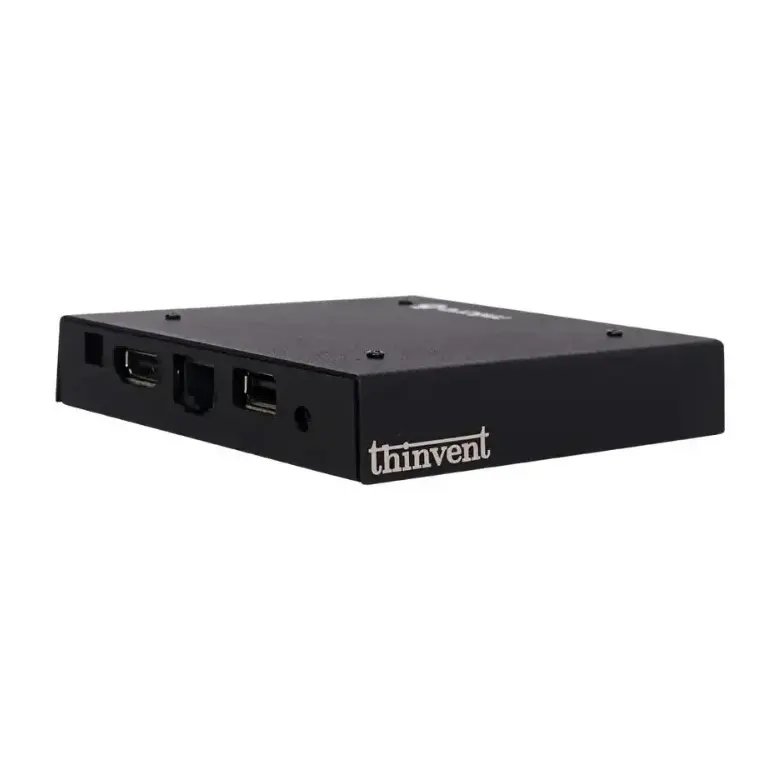
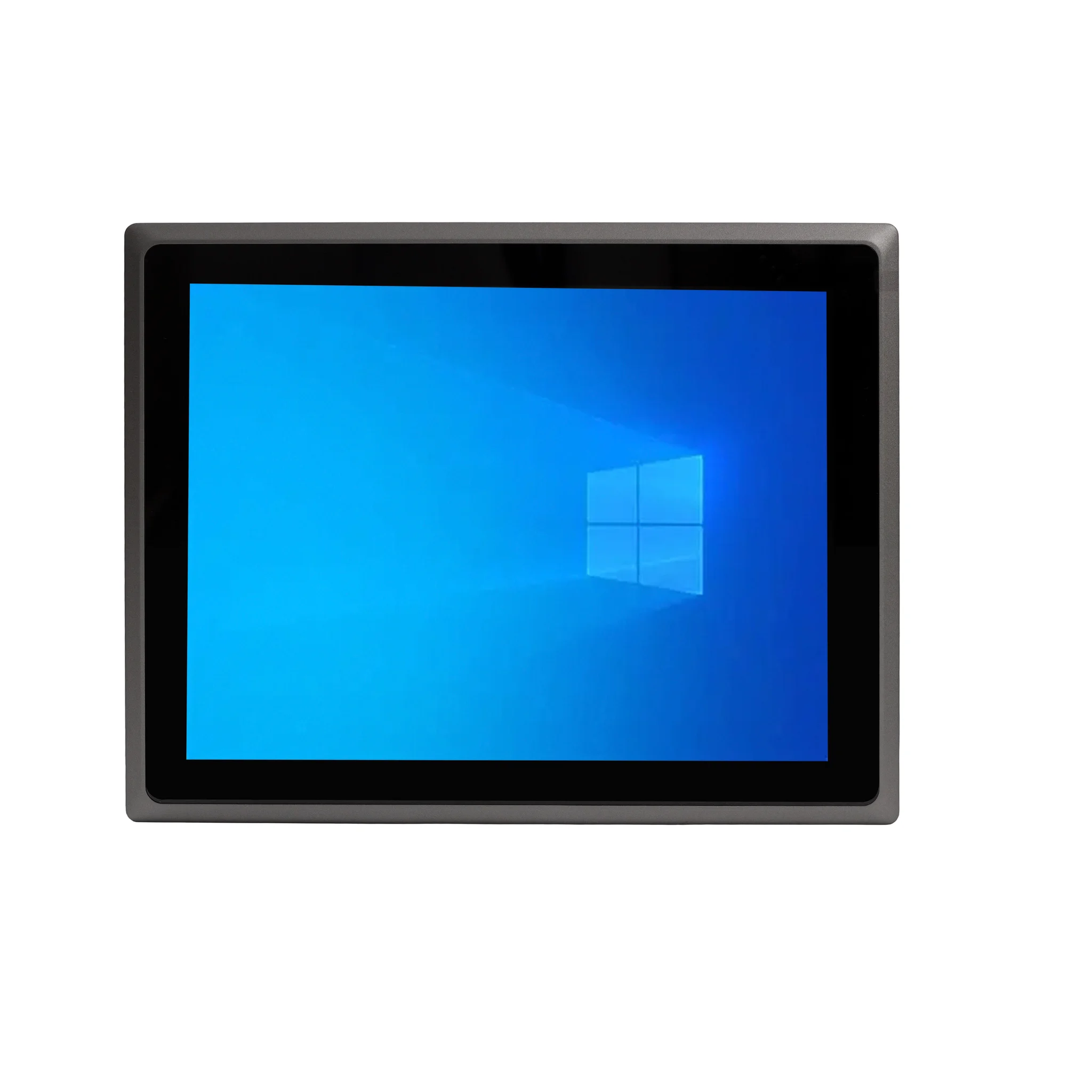
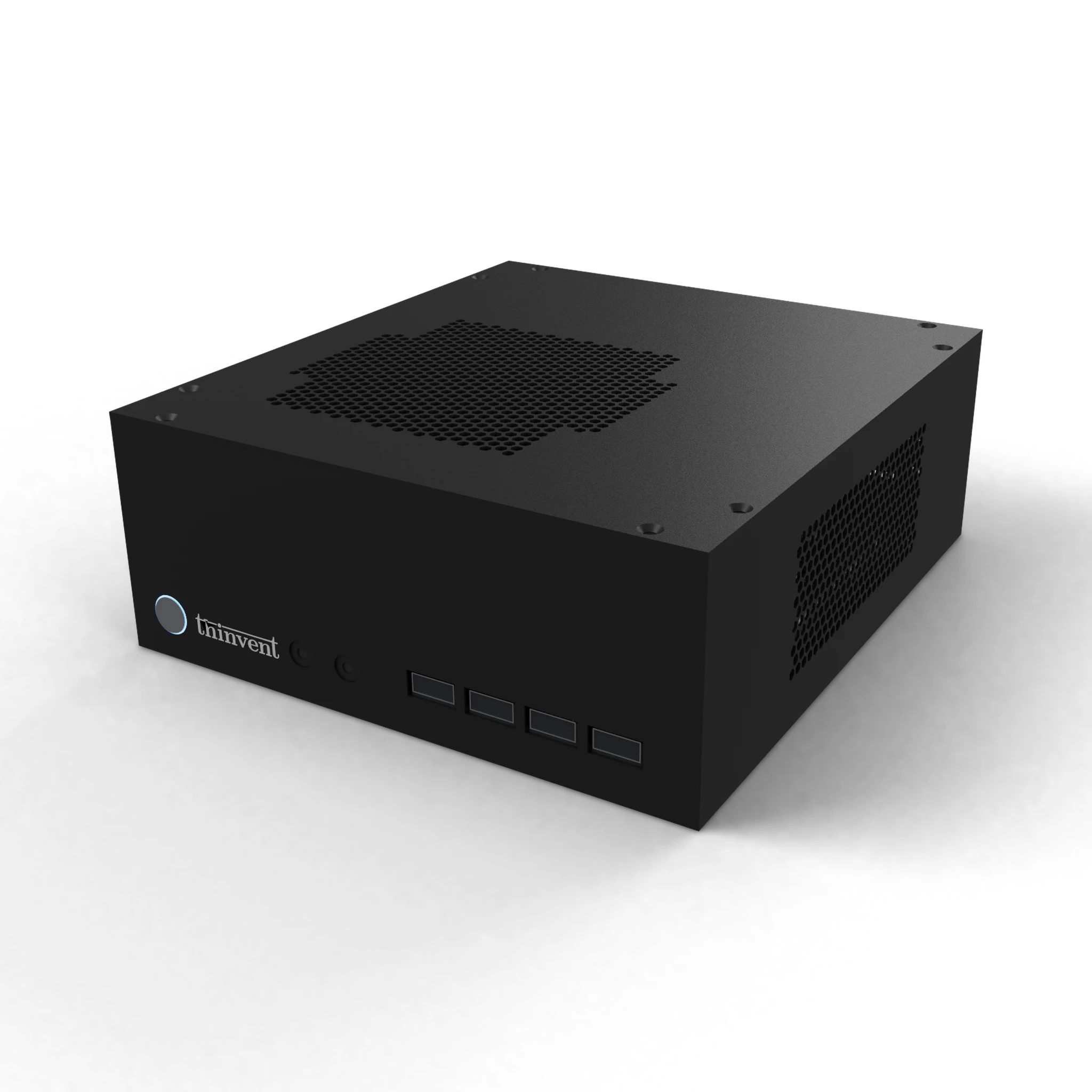
Thinvent builds fanless industrial computers, mini PCs, thin clients and all-in-one PCs designed for exactly these environments. The IPC3 industrial PC pairs an Intel® Core™ i3-1215U processor (6 cores, up to 4.4 GHz, 10 MB cache) with 16 GB DDR4 RAM and a 1 TB SSD, and is available with dual Gigabit Ethernet, quad DB9 serial ports, and a choice of Windows 11 Pro, Windows 11 IoT, DOS, Thinux™ Embedded Linux or no OS. That combination covers PAT gateway duty, process-analytics data collection and shop-floor terminal roles from a single, serviceable platform. Thinvent's mini PC and thin client ranges extend the same fanless, ventless design philosophy to lighter workloads, while all-in-one models bring the same reliability to operator stations.