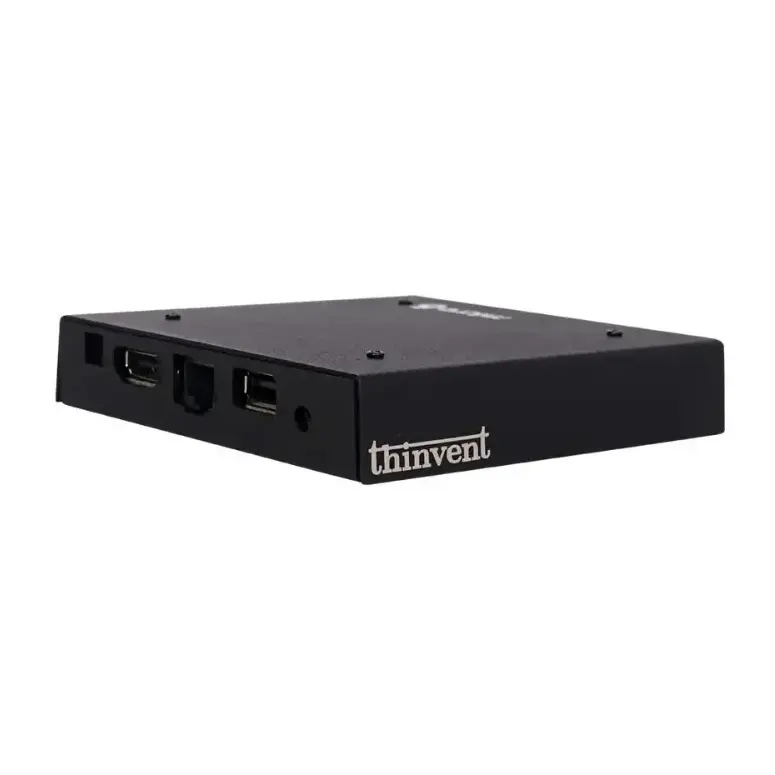
Understanding PC CPU Prices and Performance
The price of a PC is heavily influenced by its Central Processing Unit (CPU), which acts as the brain of the computer. For industrial and embedded computing, CPU selection is a critical balance of performance, power efficiency, thermal design, and cost. Prices vary significantly based on the processor's brand, architecture, core count, clock speed, and generation. High-performance Intel Core i5 or i7 processors command a premium, while efficient Intel N-series or ARM-based CPUs offer a compelling value for cost-sensitive, low-power applications.
Key CPU Specifications Impacting Cost
Several technical specifications directly correlate with a CPU's price point:
-
Processor Brand & Series: Intel Core i3/i5/i7 processors are designed for higher performance and are priced accordingly. Intel's N-series (e.g., N100, N150) and Celeron processors offer excellent efficiency at a lower cost. ARM-based processors (like Cortex-A55) provide ultra-low power consumption and are typically the most budget-friendly option for basic computing tasks.
-
Core Count & Threads: More cores allow a CPU to handle more tasks simultaneously. A 12-core i5-1250P is suited for demanding workloads, while a 4-core N100 is perfect for lightweight applications.
-
Clock Speed (GHz): Higher frequencies generally mean faster processing for single-threaded tasks, impacting performance and price.
-
Cache Memory (MB): A larger CPU cache improves data retrieval speeds, a feature of more advanced (and costly) processors.
-
Generation: Newer processor generations (e.g., Intel's 14th Gen vs. 12th Gen) offer improved performance and efficiency, often at a higher initial cost.
Choosing the Right CPU for Your Application
Matching the CPU to the use case is essential for cost-effective deployment:
-
Basic Digital Signage & Thin Clients: ARM processors or Intel N100 CPUs provide ample power for displaying content and running lightweight OS environments at a minimal cost.
-
Industrial Automation & Kiosks: Intel Core i3 or i5 processors (e.g., i3-1215U, i5-1250P) deliver the reliable performance needed for machine control, HMI, and interactive systems.
-
Edge Computing & High-Performance Workstations: For data analysis, AI inference, or complex simulations, higher-core-count CPUs like the i5-1250P or newer 14th Gen processors are necessary investments.
Comparison of Common Industrial CPU Tiers
| Processor Model | Cores/Threads | Max Frequency | Typical Use Case | Relative Cost Tier |
|---|---|---|---|---|
| ARM Cortex-A53/A55 | 4 Cores | Up to 2.0 GHz | Basic Thin Client, Digital Signage | Low |
| Intel Processor N100 | 4 Cores / 4 Threads | Up to 3.4 GHz | Entry-level Mini PC, Lightweight Computing | Low-Medium |
| Intel Core i3-1215U | 6 Cores / 8 Threads | Up to 4.4 GHz | General Industrial PC, Kiosk, Office | Medium |
| Intel Core i5-1250P | 12 Cores / 16 Threads | Up to 4.4 GHz | High-performance Workstation, Edge Server | High |
| Intel Core 5 120U | 10 Cores / 12 Threads | Up to 5.0 GHz | Advanced Mini PC, Power-efficient Performance | Medium-High |
Thinvent PCs: Engineered for Value and Performance
Thinvent offers a comprehensive range of industrial computing solutions designed to provide optimal performance at competitive price points. Our product lineup allows you to select the perfect CPU for your budget and technical requirements. From the ultra-efficient, fanless Thinvent Micro series with ARM processors for cost-effective deployment to the powerful Thinvent Aero and IPC series featuring the latest Intel Core i3, i5, and 14th Gen processors for demanding tasks, we ensure reliability and value. Each system is built with industrial-grade components, offering fanless cooling options, wide operating temperature ranges, and flexible I/O to maximize your investment over the long term.