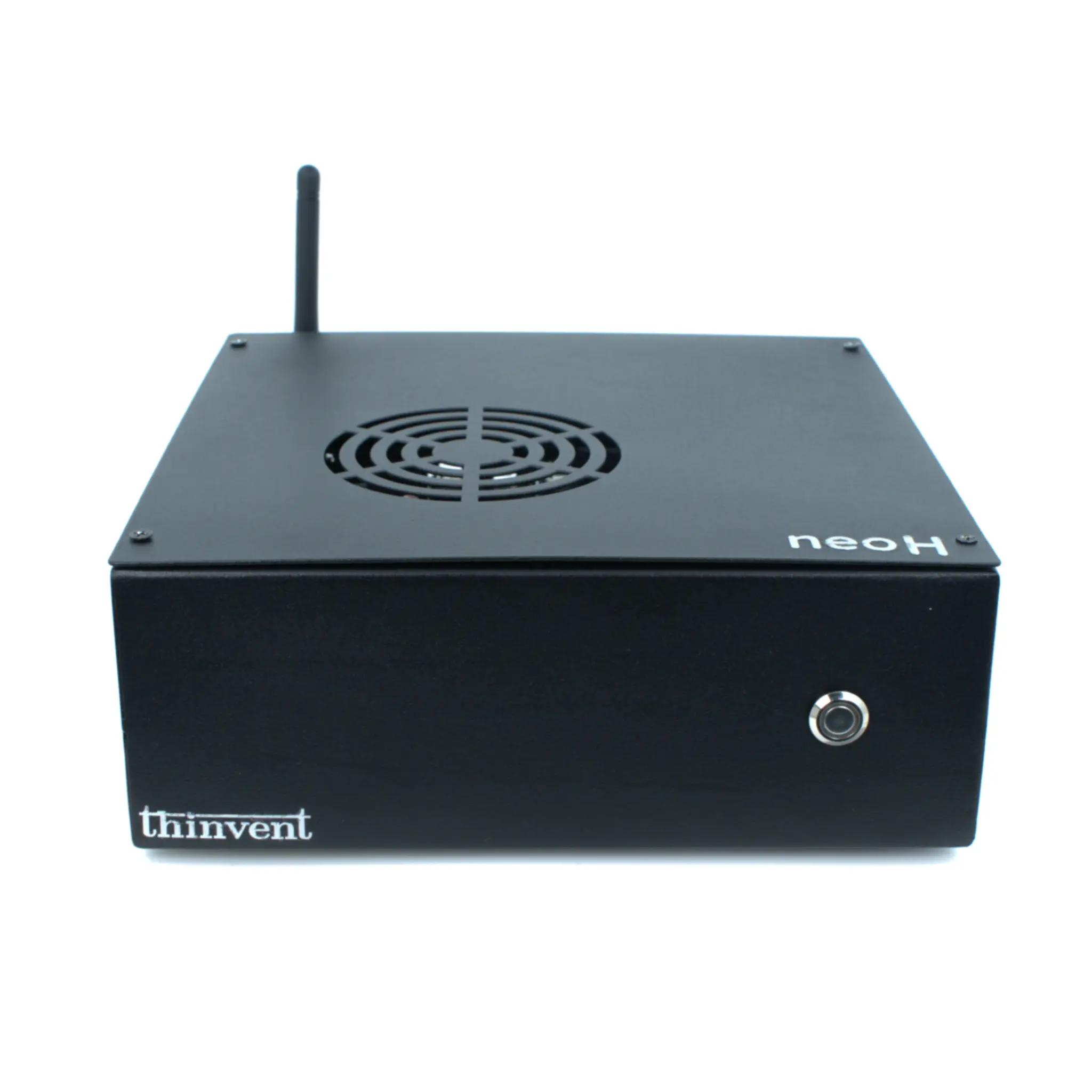
What Are Compact Industrial Mini PCs?
Compact industrial mini PCs are small-form-factor computing systems designed for business, commercial, and industrial environments. They prioritize reliability, space efficiency, and low power consumption over raw performance, making them ideal for dedicated tasks. These systems typically feature fanless designs for silent operation and enhanced durability in dusty or variable-temperature settings. They serve as powerful alternatives to traditional desktop towers or thin clients where physical space is limited but dependable computing is required.
Key Specifications and Technical Details
A standard compact industrial mini PC, like those shown, is built around a modern, efficient processor such as the Intel N100. This 4-core, 12th Gen chip offers a balance of performance and low thermal design power (TDP). Common configurations include 16GB of DDR4 RAM and a 128GB SSD, providing sufficient memory and storage for most business applications. Connectivity is handled via Gigabit Ethernet, multiple USB ports (including USB 3.2), and HDMI outputs for display. A significant feature is the fanless cooling system, which eliminates moving parts to reduce failure points and allow operation in harsh environments.
Ideal Use Cases and Applications
These PCs are not for gaming or high-end video editing. Their strength lies in running specific, stable workloads 24/7. Common applications include:
-
Digital Signage & Kiosks: Driving menu boards, information displays, or interactive terminals in retail and public spaces.
-
Office Productivity: Acting as a primary workstation for tasks like email, web browsing, document editing, and video conferencing.
-
Lightweight Server/Network Appliance: Hosting a firewall, network controller, or small file server.
-
Industrial Automation: Controlling machinery or acting as an HMI (Human-Machine Interface) on the factory floor.
-
Embedded Systems: Serving as the brain for IoT gateways, medical devices, or transportation systems, especially when paired with Linux or a lightweight OS.
Operating System Flexibility
A major advantage of industrial mini PCs is their OS agnosticism. They can be configured to run various operating systems to suit the task, which is evident in the sample products. This allows for customization based on software requirements, security needs, and licensing costs.
| Operating System | Best For | Key Consideration |
|---|---|---|
| Windows 11 Pro/IoT | General office use, proprietary Windows software, easy management. | Requires licensing; offers broad software compatibility. |
| Ubuntu Linux | Development, servers, cost-sensitive deployments, open-source software. | Free; highly stable and secure; may require technical expertise. |
| Thinux™ Embedded Linux | Dedicated embedded applications (kiosks, digital signage). | Lightweight, secure, and optimized for single-purpose use. |
| FreeDOS / No OS | Custom OS deployment, specialized industrial software, or legacy systems. | Maximum flexibility; user installs their preferred OS. |
Thinvent's Range of Compact Industrial PCs
Thinvent specializes in robust, fanless mini PCs designed for commercial longevity. Our Aero series, exemplified here, leverages efficient Intel processors to deliver reliable performance in a compact chassis. We offer extensive configuration options, allowing customers to select the ideal combination of processor, memory, storage, and operating system for their specific project needs. From digital signage and point-of-sale to industrial control panels, Thinvent PCs provide a dependable computing foundation for global businesses.