Understanding Industrial Computer Components and Systems
Industrial computers are specialized systems built for reliability, durability, and performance in demanding environments. Unlike consumer-grade PCs, they are engineered with ruggedized components, fanless cooling for silent and dust-proof operation, wide temperature tolerance, and extended product lifecycles. This guide breaks down the key components and system architectures that define modern industrial computing solutions.
Core Components of an Industrial PC
The primary components include the processor (CPU), memory (RAM), storage, and I/O connectivity. Processors range from low-power ARM cores for basic terminal tasks to high-performance Intel Core i-series CPUs for complex data processing. Memory is typically soldered or uses industrial-grade SODIMMs for vibration resistance. Storage often utilizes reliable SSDs or eMMC modules. Critical I/O includes multiple Gigabit Ethernet ports for network redundancy, industrial serial ports (RS-232/485), and a range of USB and display outputs for peripheral connectivity.
System Types and Form Factors
Industrial computers come in various form factors, each suited to specific applications:
-
Industrial PCs (IPCs): Rugged, modular systems designed for panel or DIN-rail mounting in factory automation and control cabinets.
-
Mini PCs: Compact, fanless computers ideal for space-constrained environments like digital signage, kiosks, and edge computing nodes.
-
Thin Clients: Lightweight, secure terminals that rely on a central server, perfect for virtual desktop infrastructure (VDI) in offices, healthcare, and call centers.
-
All-in-One PCs: Integrated displays and computing units for clean installations in retail, hospitality, and interactive information points.
Key Applications and Use Cases
The robustness of industrial systems makes them indispensable across sectors:
-
Factory Automation & IIoT: Machine vision, PLC supervision, and production line monitoring.
-
Digital Signage & Kiosks: Driving displays in public spaces, transportation hubs, and retail stores.
-
Edge Computing: Processing data locally in smart cities, agriculture, and energy grids.
-
Thin Client/VDI: Providing secure, manageable desktop access in corporate and institutional settings.
Thinvent's Industrial Computing Solutions
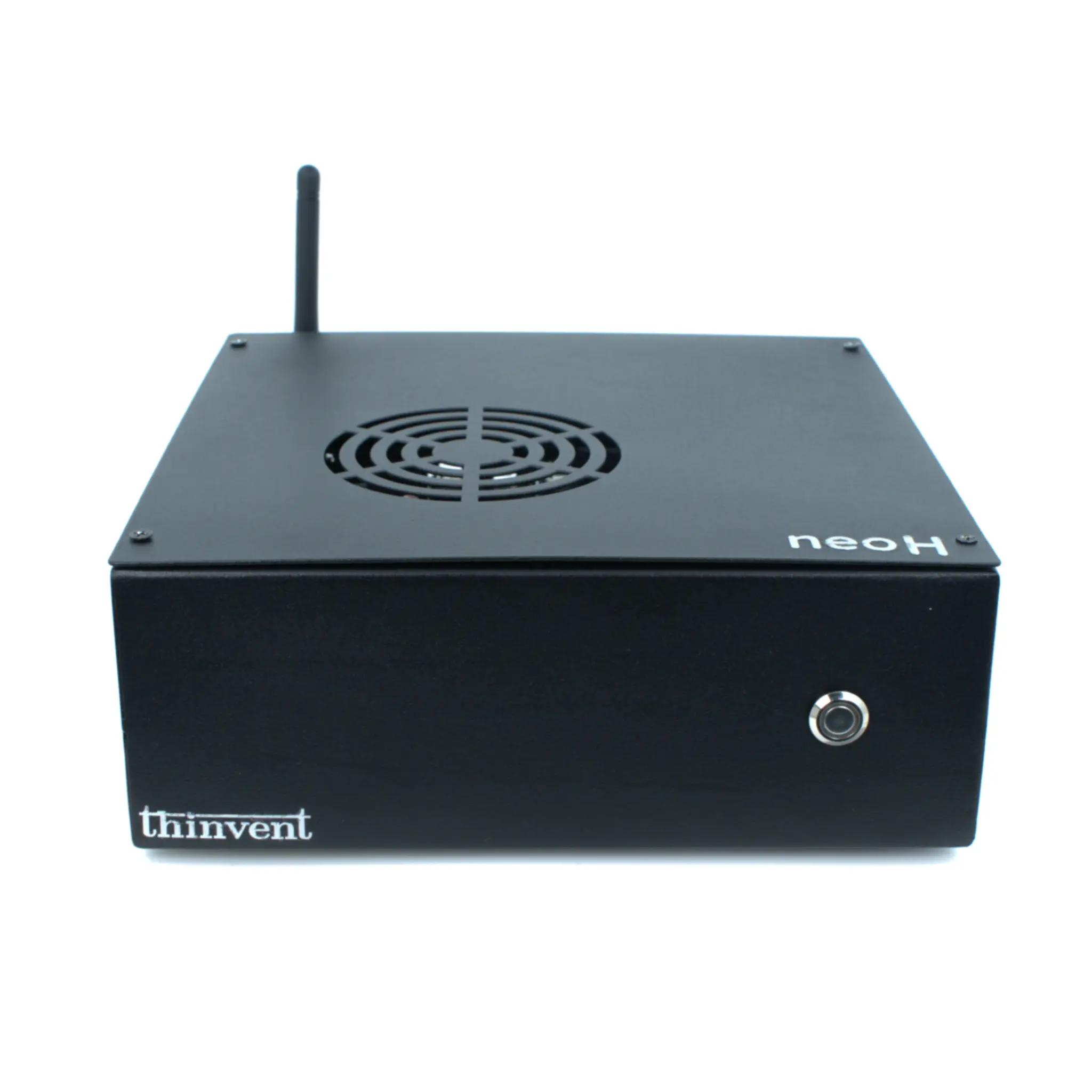
Thinvent offers a comprehensive portfolio of industrial-grade computing systems built with the components and principles outlined in this guide. Our product lines cater to every tier of performance and environmental requirement.
Thinvent Industrial PC Series: For the most demanding applications, our IPC series features powerful Intel Core processors (i3, i5), generous DDR4 RAM, and high-speed SSD storage. These systems are built for 24/7 operation in harsh conditions, supporting Windows and Linux operating systems.
Thinvent Mini PC & Thin Client Series: Our fanless Mini PCs and Thin Clients provide efficient, silent, and reliable computing. Options include Intel N-series processors for balanced performance and ARM-based systems for ultra-low-power terminal use. They are perfect for digital signage, edge computing, and secure desktop virtualization.
Customization and Support: Beyond standard configurations, Thinvent specializes in tailoring systems to specific project needs, including custom I/O, extended temperature ranges, and unique form factors, backed by long-term availability and global technical support.