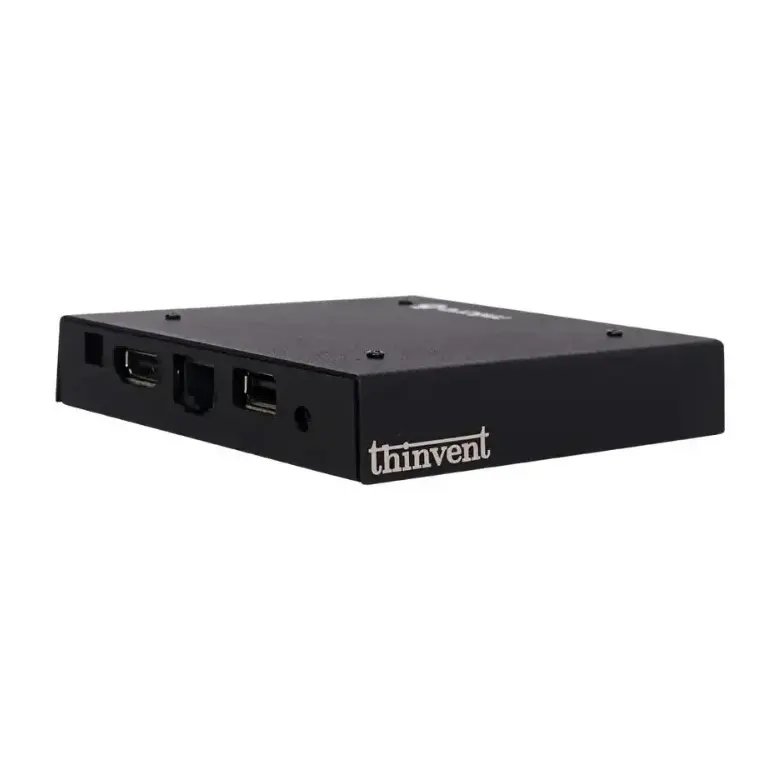
Understanding Industrial PC Pricing
The term "PC rates" typically refers to the pricing of Personal Computers. For industrial applications, PC pricing is determined by a combination of performance specifications, durability features, and specialized certifications required for deployment in demanding environments. Unlike consumer PCs, industrial computers prioritize reliability, long-term availability, and fanless, rugged designs over raw consumer-grade performance, which directly influences their value proposition and cost structure.
Key Specifications That Influence Cost
Several core components and features significantly impact the price of an industrial PC:
-
Processor (CPU): The brand, series, generation, and core count define computational power. Options range from efficient Intel N-series processors for basic tasks to powerful Core i3/i5/i7 CPUs for complex automation and edge computing.
-
Memory (RAM): System memory, from 4GB to 64GB, affects multitasking capability and performance in data-intensive applications.
-
Storage (SSD): Storage capacity (128GB to 1TB+) and type (e.g., M.2 NVMe) influence boot times, data access speed, and overall system responsiveness.
-
Form Factor: Designs like compact Mini PCs, panel-mount systems, or All-in-Ones cater to different space and integration needs, with varying costs.
-
Operating System: Choices include commercial licenses like Windows 11 Pro, open-source options like Ubuntu Linux, or specialized embedded OS for dedicated functions.
-
Rugged Features: Fanless cooling for silent, dust-proof operation, wide operating temperature ranges, and robust I/O connectivity (multiple Ethernet, USB, HDMI ports) add value for industrial settings.
Industrial PC Applications and Use Cases
Industrial computers are engineered for specific, reliable operation in non-office environments:
-
Digital Signage & Kiosks: Driving displays in retail, hospitality, and public transportation.
-
Factory Automation: Controlling machinery, HMIs (Human-Machine Interfaces), and PLCs on the shop floor.
-
Edge Computing & IoT Gateways: Processing data locally from sensors and devices before sending it to the cloud.
-
Thin Client & VDI: Providing secure, centralized desktop access in corporate and healthcare IT environments.
Comparison of Common Industrial PC Configurations
| Use Case | Recommended Processor | Typical RAM | Typical Storage | Key Features |
|---|---|---|---|---|
| Basic Digital Signage / Thin Client | Intel N100 / N95 | 8GB - 16GB | 128GB SSD | Fanless, low power, compact size |
| General Automation & HMI | Intel i3 / i5 (10th-14th Gen) | 16GB - 32GB | 256GB - 512GB SSD | Robust I/O, wide temp range, reliable performance |
| Advanced Edge Computing & AI | Intel i5 / i7 (13th-14th Gen) | 32GB - 64GB | 512GB+ NVMe SSD | High core count, powerful graphics, multiple LAN ports |
Thinvent Industrial Computing Solutions
Thinvent offers a comprehensive range of industrial-grade computing solutions built for reliability. Our product lines include fanless Mini PCs powered by efficient Intel processors, ideal for space-constrained installations. For interactive applications, our All-in-One panels provide a clean, integrated solution. We also offer versatile Industrial PCs designed for rack or panel mounting in control cabinets. Every Thinvent system is engineered with durability in mind, featuring solid-state components, wide voltage input, and support for various operating systems to meet the precise demands of global industrial automation, digital signage, and edge computing projects.