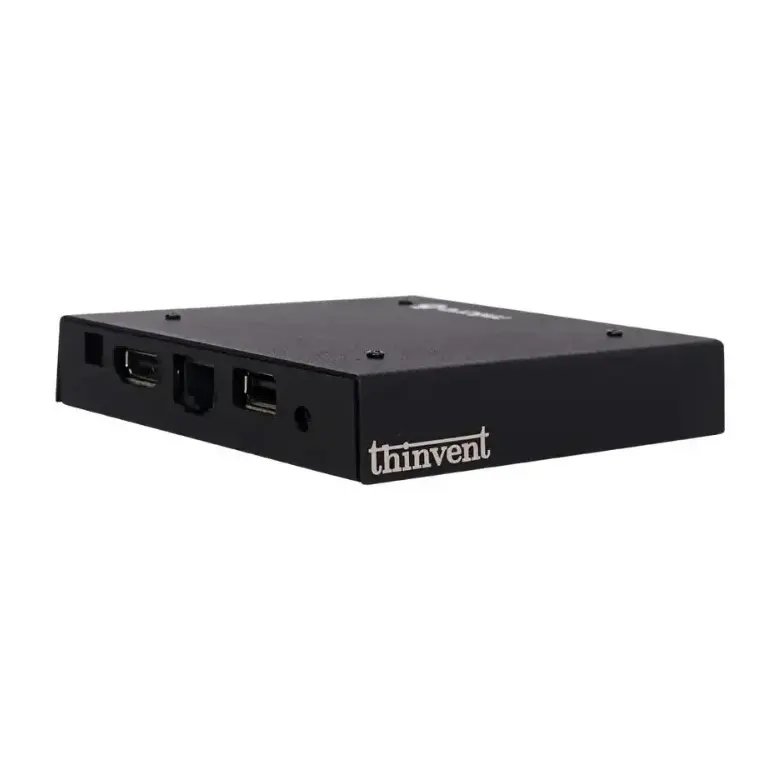
What is a PC Server?
A PC Server refers to a robust, reliable computer system designed to manage network resources, host applications, and process data in demanding commercial and industrial environments. Unlike standard desktop PCs, these systems prioritize stability, 24/7 operation, and connectivity to handle tasks like file sharing, database management, industrial automation, and edge computing. They are engineered for durability, often featuring fanless cooling for silent, dust-resistant operation in harsh conditions.
Key Specifications and Technical Details
Industrial PC servers are defined by their core components, which determine performance and suitability for specific tasks. Key specifications include:
-
Processor: Modern servers utilize efficient Intel processors, from entry-level N-series (e.g., N100) for light tasks to powerful Core i-series (i3, i5) for intensive workloads. Core count (4, 6, 10, 12) directly impacts multitasking and data processing speed.
-
Memory (RAM): Crucial for running multiple applications and services simultaneously. Configurations typically range from 8GB for basic functions to 32GB or 64GB for virtualization and large databases.
-
Storage: Fast SSD storage (128GB to 1TB+) ensures quick boot times, rapid data access, and reliable operation without moving parts.
-
Connectivity: Multiple Gigabit Ethernet ports are standard for network redundancy and high-speed data transfer. Ample USB ports (including USB 3.2 and Type-C) and display outputs (HDMI) support peripheral expansion.
-
Form Factor: Available as compact Mini PCs for space-constrained installations, rugged Industrial PCs for factory floors, or All-in-One units for integrated control panels.
Common Use Cases and Applications
These versatile systems are deployed across various sectors:
-
Industrial Automation: Acting as a control server for PLCs, SCADA systems, and production line monitoring.
-
Digital Signage & Retail: Hosting and managing content for multiple displays in stores, restaurants, and public spaces.
-
Thin Client & Virtualization Host: Centralizing computing power in a server, with thin clients accessing virtual desktops.
-
Edge Computing Gateway: Processing data locally from IoT sensors in smart factories, transportation, and energy grids before sending to the cloud.
-
Small Business Infrastructure: Serving as a cost-effective file server, print server, or database host for SMEs.
Comparison of Server-Grade Features
| Feature | Entry-Level Server | Performance Server | Use Case Focus |
|---|---|---|---|
| Processor | Intel N-series (e.g., N100) | Intel Core i5/i3 (12th/13th Gen+) | Lightweight apps vs. Multi-threaded workloads |
| Memory | 8GB - 16GB RAM | 32GB - 64GB RAM | Basic services vs. Virtualization/Databases |
| Storage | 128GB - 256GB SSD | 512GB - 1TB+ SSD | OS and core apps vs. Large datasets & VMs |
| Operation | Fanless, low power | May include active cooling | Silent, harsh environments vs. High-performance computing |
Thinvent Industrial PC Servers
Thinvent offers a comprehensive range of industrial-grade PC servers built for reliability and continuous operation. Our portfolio includes compact Mini PCs and robust Industrial PCs powered by the latest Intel processors, from efficient N-series chips to powerful Core i-series models. Designed with fanless architectures for silent, maintenance-free performance, these systems come with flexible configurations of RAM, SSD storage, and operating systems (Windows 11, Linux variants, or without OS). Whether you need a simple network appliance, a digital signage controller, or a rugged edge computing node, Thinvent provides scalable, durable computing solutions engineered for global business and industrial automation challenges.