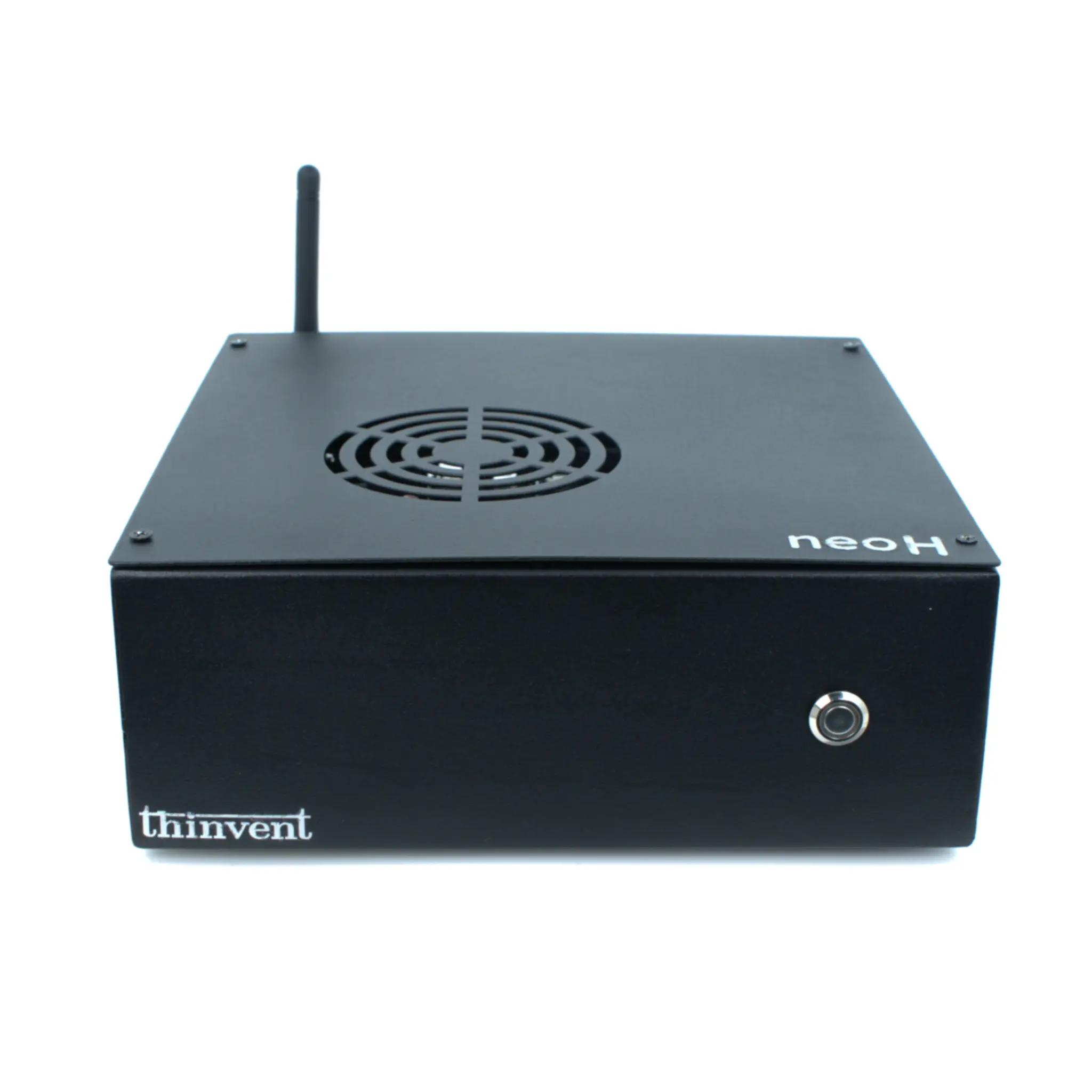
What is a PC with 4 Monitor Output?
A PC with 4 monitor output is a computer system equipped with the necessary graphics hardware and physical ports to simultaneously drive four independent displays. This capability is essential for creating expansive digital workspaces, enhancing multitasking efficiency, and powering complex visual applications. These systems typically utilize a combination of integrated graphics processors (iGPUs) found in modern CPUs and specific port configurations to achieve multi-display support without requiring bulky, power-hungry dedicated graphics cards.
Key Specifications and Technical Details
The core requirement for a 4-monitor PC is a processor with a capable integrated GPU that supports a sufficient number of display pipelines. Modern Intel processors, especially those from the 12th generation and newer, often support 3-4 simultaneous displays natively via their iGPUs. The physical connectivity is provided through a mix of ports on the PC's I/O panel. A typical configuration for a 4-output system includes:
-
Dual HDMI Ports: For connecting two monitors via HDMI cables.
-
Dual DisplayPort (or USB-C with DP Alt Mode): For connecting two additional monitors. Some systems may use a combination of HDMI, DisplayPort, and VGA, but digital interfaces are preferred for modern displays.
-
Sufficient System Resources: While the graphics load is handled by the iGPU, adequate system memory (RAM) and fast storage (SSD) are recommended to ensure smooth performance when running applications across multiple screens. Processors with 4 or more cores, such as Intel's N-series or Core i-series, are well-suited for this task.
Use Cases and Applications
Multi-monitor setups are invaluable across numerous professional and industrial environments:
-
Financial Trading & Data Analysis: Monitoring real-time market data, news feeds, charts, and trading platforms simultaneously.
-
Software Development & Coding: Having code editors, documentation, terminal windows, and live application previews open on separate screens.
-
Digital Signage & Control Rooms: Driving multiple displays for advertising, information kiosks, or surveillance monitoring systems from a single, compact computer.
-
Creative Professionals: Video editors can have timelines, preview windows, and asset libraries on different monitors, while graphic designers can dedicate screens to tools, palettes, and the main canvas.
-
General Office Productivity: Extending desktops for managing emails, spreadsheets, presentations, and communication tools without constant window switching.
Comparison of Common Multi-Monitor Configurations
| Feature | 2-Monitor Support | 4-Monitor Support | 6+ Monitor Support (Advanced) |
|---|---|---|---|
| Typical Use Case | Basic office work, entry-level multitasking | Professional workspaces, trading, development | Mission-critical control rooms, advanced simulation |
| Common Hardware | Most modern iGPUs, basic port selection | Mid-range iGPUs (Intel 12th Gen+), specific port combos | Dedicated multi-display graphics cards or additional hardware |
| System Footprint | Ultra-compact Mini PCs possible | Compact Mini PCs or Small Form Factor PCs | Larger chassis often required |
| Performance Need | Low to Moderate | Moderate | High |
Thinvent's Multi-Monitor PC Solutions
Thinvent offers a range of industrial-grade computing solutions designed for reliable multi-monitor operation. Our compact and fanless Mini PCs, such as the Aero series, are engineered to deliver stable performance in multi-display environments without the noise or failure points of moving parts. Built for 24/7 operation, these systems feature robust connectivity options, including multiple HDMI and DisplayPort outputs, to seamlessly power up to four monitors. Ideal for digital signage, kiosks, trading desks, and industrial control applications, Thinvent PCs provide the durability and consistent performance required for professional multi-screen setups worldwide.