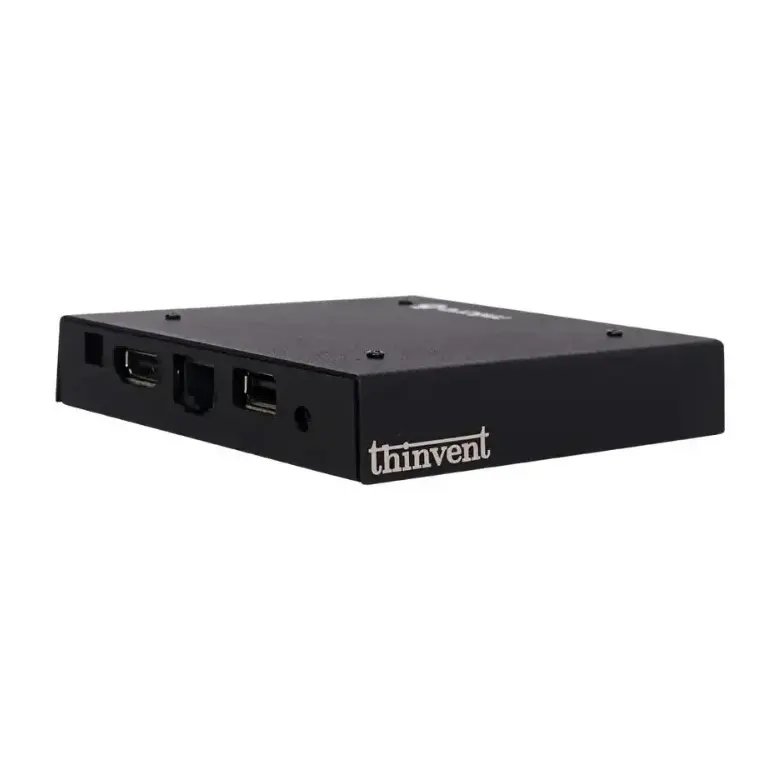
What Is an Embedded PC?
An embedded PC is a compact, self-contained computer that is designed to be built into a larger machine, cabinet, kiosk, or appliance rather than used as a general-purpose desktop. Instead of sitting on a desk, it typically runs a single dedicated application — a machine controller, a data logger, a digital sign, a point-of-sale terminal, or a vision system — and is expected to run continuously for years with minimal intervention. The defining traits of an embedded system PC are not raw benchmark scores but reliability: fanless cooling, wide-range DC power input, industrial temperature tolerance, mounting flexibility (DIN rail, VESA, or panel), long-term component availability, and a rich set of legacy and modern I/O.
Key Specifications to Look For
When specifying an embedded PC, the processor, memory, storage, and I/O should all be chosen around the workload and the environment rather than around the fastest available chip. Low-power Intel Celeron and N-series processors suit always-on control and gateway duties, while Intel Core i3/i5 parts such as the i3-1215U (6 cores, up to 4.4 GHz, 10 MB cache) handle multi-tasking workloads like vision, multi-display signage, and edge analytics. Because embedded deployments often last a decade, serviceable DDR4/DDR5 SO-DIMM memory and removable M.2 or SATA storage matter as much as speed.
| Specification | Typical Embedded Requirement | Why It Matters |
|---|---|---|
| Cooling | Fanless / passive heatsink | No dust ingress, no bearing wear, silent operation |
| Processor | Intel Celeron, N-series, Core i3/i5 | Balanced performance per watt for 24/7 duty |
| Memory | 4–32 GB DDR4/DDR5 SO-DIMM | Supports databases, HMIs, and multi-app stacks |
| Storage | 128 GB – 1 TB SSD | Shock-resistant, no moving parts |
| Serial I/O | RS-232/RS-485 DB9 ports | PLCs, scales, meters, legacy instruments |
| Networking | Gigabit Ethernet, optionally dual-port | Uplink plus isolated machine network |