Understanding High-Performance Computing (HPC)
High-Performance Computing (HPC) refers to the use of supercomputers and parallel processing techniques to solve complex computational problems that are too large or too time-consuming for standard computers. This involves harnessing immense processing power, extensive memory, and high-speed networking to achieve breakthrough results in fields like scientific research, engineering simulations, financial modeling, and artificial intelligence. The "price" of such systems is highly variable, depending on the scale, architecture, and specific components employed, ranging from high-end workstations to massive data center clusters.
Key specifications for HPC systems include the number of processing cores, the speed and architecture of the CPUs and/or GPUs, the total amount of RAM, the speed and capacity of storage solutions (often distributed parallel file systems), and the interconnect technology that links computational nodes. Considerations for thermal management and power consumption are also critical due to the intensive nature of HPC workloads.
HPC is indispensable for tasks such as climate modeling, drug discovery, genomic sequencing, aerodynamic simulations, astrophysical research, and the training of deep learning models. By accelerating computation, HPC enables faster innovation, deeper insights, and the exploration of possibilities previously out of reach.
Thinvent's HPC-Ready Solutions
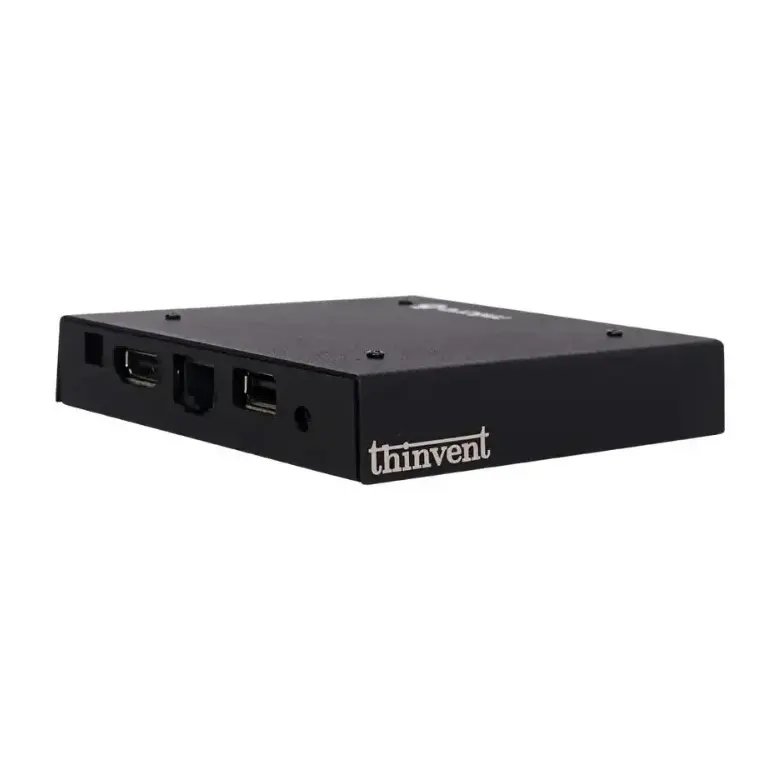
While Thinvent does not build "supercomputers" in the traditional sense of massive data center clusters, our industrial PCs and mini PCs are designed with robust performance and reliability in mind, making them suitable for demanding edge computing and localized high-performance tasks. These systems can be configured with powerful Intel processors, ample RAM, and fast SSD storage to handle complex computations and data processing at the edge.