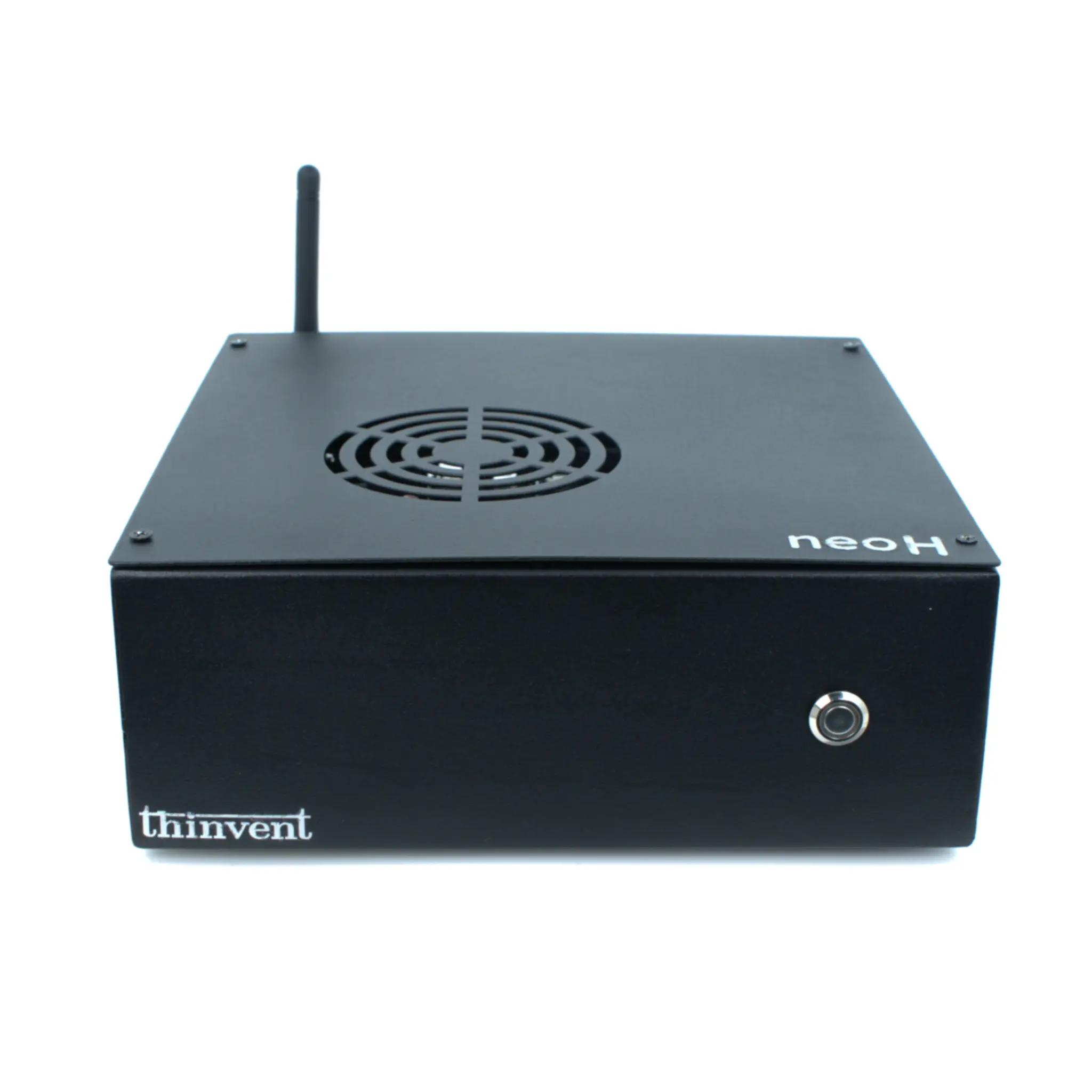
What is a POS Monoblock?
A POS (Point of Sale) monoblock, or all-in-one computer, is an integrated system that combines the computer, display, and often a touchscreen into a single, compact unit. Designed specifically for transactional environments, these systems streamline counter space, reduce cable clutter, and offer a professional, clean appearance ideal for customer-facing areas. They are engineered for reliability, long operational hours, and seamless integration with peripherals like barcode scanners, receipt printers, and cash drawers.
Key Specifications and Technical Details
Modern POS monoblocks are built with industrial-grade components to ensure 24/7 uptime. Key specifications include:
-
Form Factor: All-in-One design with integrated display, typically ranging from 15 to 24 inches.
-
Processor: Energy-efficient Intel processors (e.g., Celeron, N-series, or Core i3/i5) that balance performance with low heat output, often enabling fanless operation for silent running.
-
Memory & Storage: Typically 4GB to 16GB of RAM and SSD storage (128GB to 512GB) for fast boot times and application loading.
-
Display: Touchscreen capability (often projected capacitive for multi-touch) with anti-glare coatings for visibility under various lighting.
-
Connectivity: Multiple USB ports (including USB 3.2), serial ports (RS-232) for legacy peripherals, Gigabit Ethernet for network reliability, and optional Wi-Fi/Bluetooth.
-
Operating System: Options include Windows IoT/Pro for broad software compatibility or lightweight Linux distributions for security and stability.
Applications and Use Cases
POS all-in-one computers are the backbone of modern retail, hospitality, and service industries.
-
Retail Stores: For checkout counters, inventory management, and customer self-service kiosks.
-
Restaurants & Cafes: As order entry terminals for servers or customer-facing kiosks for self-ordering and payment.
-
Hotels: For front desk check-in/check-out, concierge services, and property management system access.
-
Healthcare: In clinics and pharmacies for patient check-in and billing.
-
Entertainment: At cinemas, stadiums, and amusement parks for ticketing and concessions.
Their robust construction makes them resistant to dust, vibrations, and continuous operation, which is critical in high-traffic commercial settings.
Comparison: POS Monoblock vs. Traditional POS Setup
| Feature | POS Monoblock (All-in-One) | Traditional POS (Separate Components) |
|---|---|---|
| Footprint | Minimal, single-unit design. | Larger, requires space for PC, display, and cables. |
| Installation | Simple, plug-and-play with fewer cables. | Complex, involves connecting multiple devices. |
| Maintenance | Easier to clean and service as a single unit. | Troubleshooting can be more difficult across components. |
| Aesthetics | Sleek, professional, and modern appearance. | Can look cluttered and less organized. |
| Mobility | Generally fixed; some models have VESA mounts. | More flexible to upgrade individual components. |
| Typical Use | Ideal for fixed counters, kiosks, and space-constrained areas. | Suitable where component-level customization is frequently needed. |
Thinvent POS All-in-One Solutions
Thinvent offers a range of robust and reliable POS monoblock computers designed for demanding commercial environments. Our all-in-one systems feature fanless designs for silent operation, energy-efficient Intel processors, and vibrant touchscreen displays. Built with industrial durability, they ensure consistent performance for payment processing, inventory management, and customer service applications. Explore Thinvent's portfolio to find a POS solution that combines compact design with the power and reliability your business requires.