The term "Primebook" refers to a series of affordable laptops designed primarily for students and budget-conscious users. These devices are distinctive because they run on Android-based operating systems, offering a unique alternative to traditional Windows or ChromeOS laptops. The core value proposition is providing essential computing functionality—web browsing, document editing, and access to the Android app ecosystem—at a significantly lower cost.
Key Specifications and Features
Primebook laptops typically feature modest hardware specifications optimized for their Android-based environment. Common configurations include MediaTek or Intel processors, HD displays (often around 11.6 inches), 4GB of RAM, and 64GB or 128GB of eMMC storage. The defining characteristic is the operating system: PrimeOS, a customized version of Android with a desktop-like interface. This allows users to run millions of Android applications in a multi-window environment, supporting tasks like video conferencing, document editing with Google Workspace or Microsoft 365 apps, and educational software.
Ideal Use Cases and Applications
The primary application for Primebook laptops is in the education sector. They are positioned as perfect first computers for school students, enabling e-learning, accessing digital textbooks, and completing homework assignments. Their affordability makes them accessible for large-scale educational deployments. Secondary use cases include basic home computing for web browsing, media consumption, and light productivity tasks where the full power of a traditional PC is not required. The long battery life often associated with these ARM-based systems adds to their portability for students.
Comparison with Traditional Thin Clients & Mini PCs
While Primebooks serve as entry-level portable computers, they differ significantly from industrial computing solutions like thin clients and mini PCs in their architecture, robustness, and management.
| Feature | Primebook (Android Laptop) | Industrial Thin Client / Mini PC |
|---|---|---|
| Primary OS | Android-based (PrimeOS) | Windows, Linux, or Embedded OS |
| Architecture | Mobile-focused (ARM typical) | x86 (Intel/AMD) or ARM |
| Primary Use | Personal, Student Education | Business, Digital Signage, Industrial IoT |
| Management | Limited, consumer-focused | Centralized, enterprise-grade (e.g., ThinManager) |
| Ruggedness | Consumer-grade | Often fanless, wide temperature range, durable |
| Connectivity | Basic I/O (USB, HDMI) | Rich I/O (Multiple displays, serial, GPIO) |
| Performance Target | App compatibility, battery life | Reliability, 24/7 operation, specific workloads |
Thinvent's Robust Computing Solutions
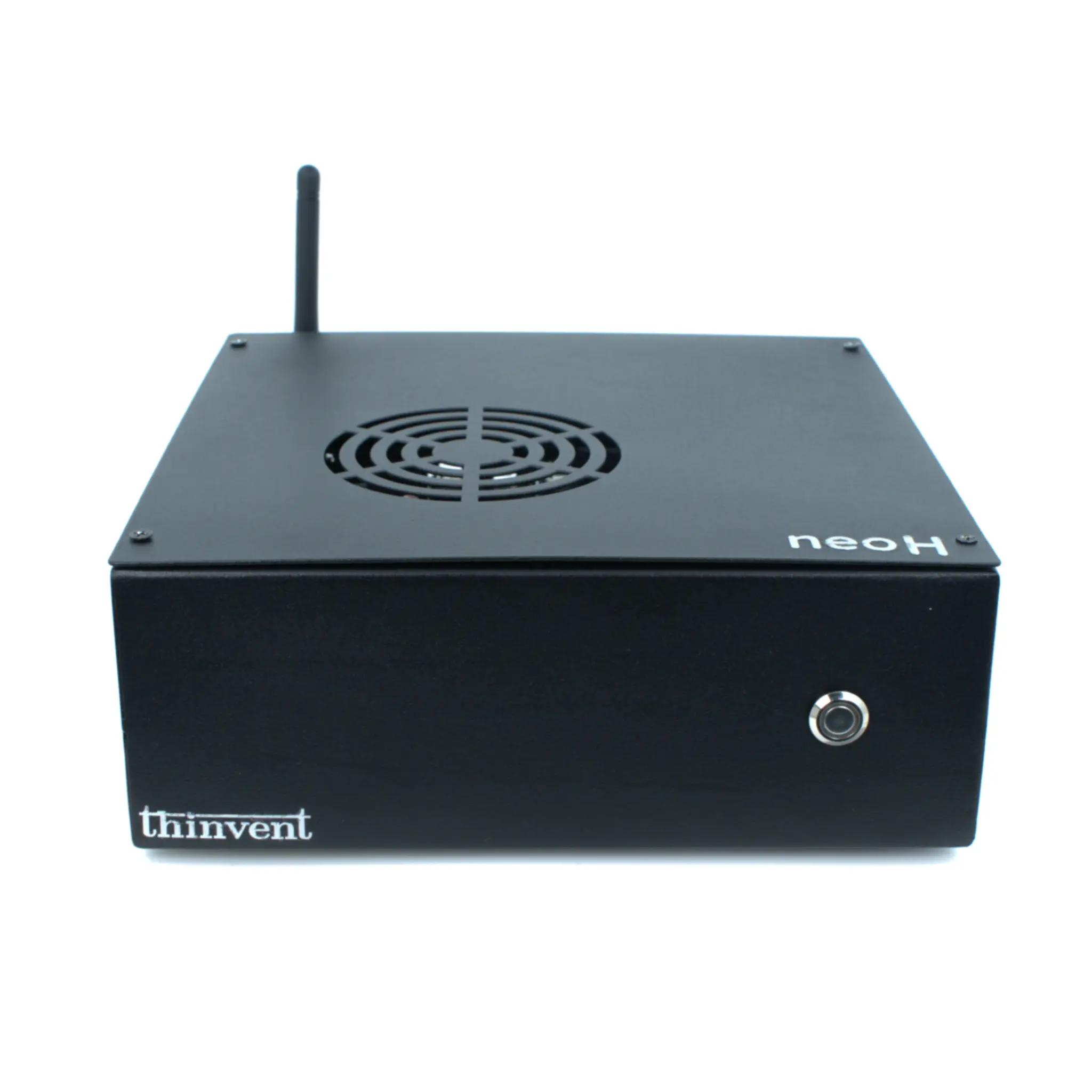
For professional, educational, and industrial environments that demand reliability, manageability, and consistent performance, Thinvent offers a superior range of computing hardware. Our solutions are built for longevity and specific workloads, unlike consumer-grade laptops.
For Educational Labs & Classrooms: Thinvent's thin clients and mini PCs, such as the Micro series with Thinux™ OS, provide a cost-effective, centrally managed, and secure computing endpoint. They are ideal for accessing cloud-based educational platforms and virtual desktops, with easier IT administration than individual laptops.
For Demanding Business Applications: Our Aero Mini PC and Industrial PC series feature powerful Intel Core processors (i3, i5, 12th/14th Gen), ample RAM, and SSD storage. These devices run full desktop operating systems like Windows 11 Pro or Ubuntu Linux, handling demanding productivity software, multimedia, and point-of-sale systems with ease.
For Specialized Environments: Thinvent's fanless industrial PCs are designed for 24/7 operation in challenging conditions, perfect for digital signage, kiosks, and factory automation—use cases where a standard laptop would not suffice.