Understanding Industrial PC Processors
A processor, or Central Processing Unit (CPU), is the primary component of an industrial computer, responsible for executing instructions and processing data. Unlike consumer-grade CPUs, industrial PC processors are engineered for reliability, longevity, and stable performance in demanding environments. They often feature extended temperature ranges, lower power consumption, and fanless designs to ensure operation in settings with dust, vibration, and wide thermal fluctuations.
Key Specifications and Technical Details
When selecting an industrial processor, several key specifications determine its suitability for an application:
-
Cores and Threads: Determines multitasking capability. More cores allow for parallel processing of multiple tasks.
-
Clock Speed (GHz): The speed at which a core executes instructions. Higher speeds mean faster processing for single-threaded tasks.
-
Cache Memory (MB): A small, high-speed memory on the CPU that stores frequently accessed data, significantly boosting performance.
-
Thermal Design Power (TDP): Indicates heat generation and power consumption. Lower TDP is critical for fanless, compact, and energy-efficient designs.
-
Instruction Sets & Technologies: Support for virtualization (VT-x), advanced vector extensions (AVX), and trusted execution (TXT) is vital for specific industrial software and security.
Use Cases and Applications
The choice of processor directly impacts the system's application:
-
Entry-Level / IoT Gateways: Processors like the Intel® N-series (e.g., N100) are ideal for digital signage, thin clients, and basic control systems, offering excellent efficiency.
-
Mid-Range Automation: Intel Core™ i3 and i5 processors (e.g., 12th/13th Gen) provide the balanced power needed for machine vision, PLC supervision, and moderate data processing.
-
High-Performance Computing: For complex tasks like AI inference, real-time analytics, and advanced simulation, processors like Intel Core i7/i9 or Xeon with higher core counts and advanced technologies are required.
Processor Comparison for Industrial Use
| Processor Series | Typical Cores | Ideal Use Case | Key Strengths |
|---|---|---|---|
| Intel® Processor N-series | 4 | IoT Edge, Digital Signage, Kiosks | Ultra-low power, fanless operation, cost-effective |
| Intel® Celeron® | 2-4 | Basic HMI, Thin Clients | Reliable, low-cost, energy-efficient |
| Intel® Core™ i3 | 4-6 | Light Industrial Automation, Retail POS | Good balance of performance and efficiency |
| Intel® Core™ i5 | 6-10 | Machine Vision, Advanced Control Systems | High single & multi-threaded performance |
| Intel® Core™ i7/i9 | 10-24 | AI, Simulation, High-Frequency Data Acquisition | Maximum performance, advanced features |
Thinvent Industrial PCs with Advanced Processors
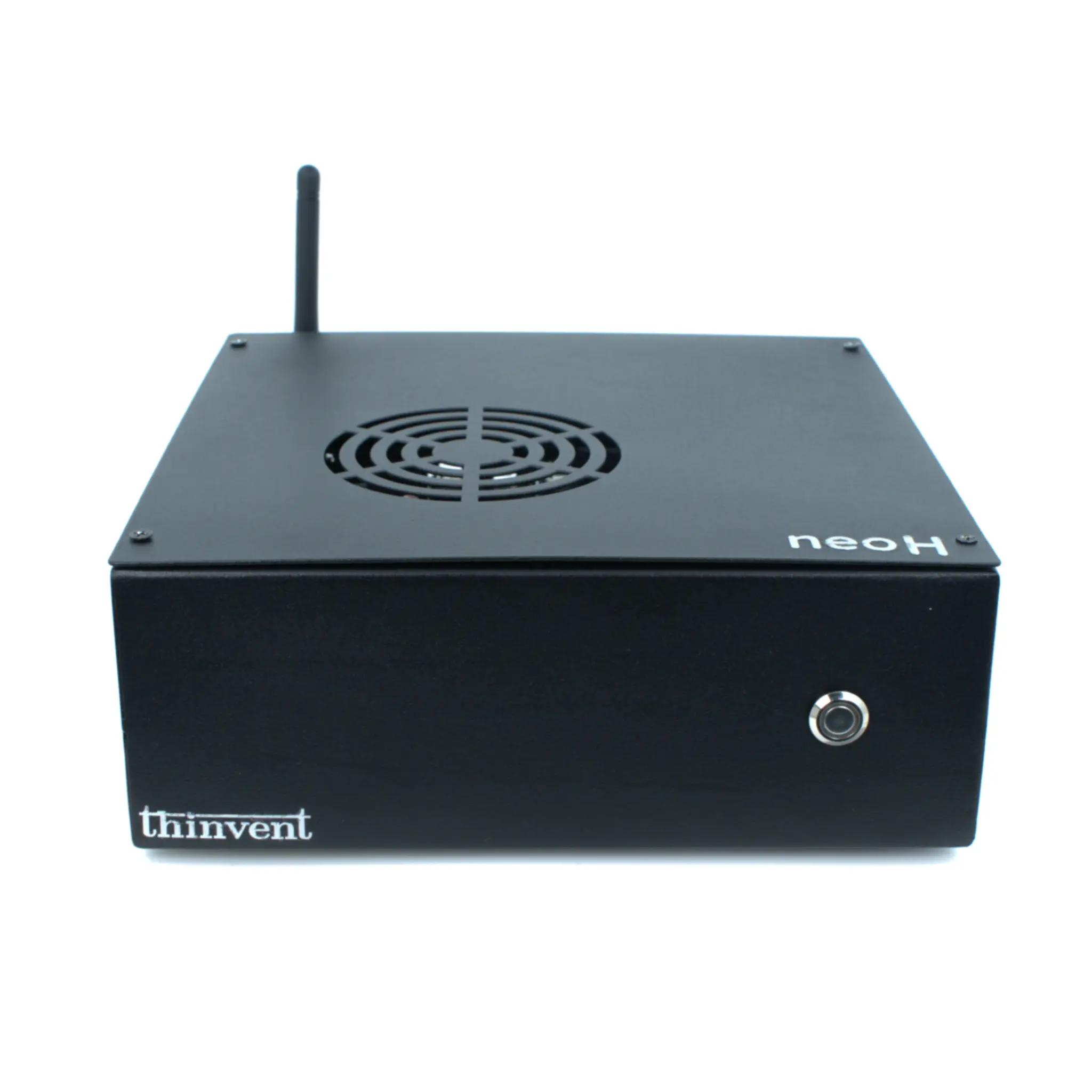
Thinvent integrates a wide range of these robust processors into its industrial computing solutions. Our product lines, including the Aero Mini PC series, feature the latest Intel architectures—from the efficient Intel N100 for compact, fanless designs to more powerful Core series processors for demanding computational tasks. Every Thinvent system is built to leverage the full stability and performance of these industrial-grade CPUs, ensuring reliable operation in automation, transportation, healthcare, and retail environments worldwide. Explore our catalog to find the perfect processing power for your specific industrial challenge.