Understanding Laptop Processors for Industrial PCs
A laptop processor, or mobile CPU, is a central processing unit designed for portable computers, emphasizing a balance of performance and power efficiency. In the context of industrial computing, these processors are integrated into compact, rugged systems like fanless mini PCs and thin clients. They deliver reliable computing power for 24/7 operations while generating minimal heat and consuming less energy than their desktop counterparts. Key attributes include integrated graphics, support for modern connectivity standards, and advanced power management features.
Key Specifications and Technical Details
Modern industrial systems utilize the latest generations of mobile processors. Key specifications to consider include:
-
Core Count & Threads: Determines multitasking capability. Quad-core processors are common for general industrial tasks, while higher-core-count models handle demanding applications.
-
Clock Speed & Turbo Boost: Base frequency ensures stable operation, while turbo boost provides extra power for peak loads.
-
Thermal Design Power (TDP): A critical metric for fanless designs. Lower TDP (e.g., 6W-15W) allows for completely silent, sealed enclosures ideal for harsh environments.
-
Integrated Graphics: Modern processors include capable iGPUs for driving multiple displays, essential for digital signage, control rooms, and kiosks.
-
Memory & Storage Support: Support for DDR4/DDR5 RAM and NVMe SSDs ensures fast data access and system responsiveness.
Applications and Use Cases
The efficiency and reliability of mobile processors make them ideal for embedded and edge computing scenarios:
-
Digital Signage & Kiosks: Powering 24/7 displays in retail, hospitality, and public spaces.
-
Industrial Automation: Serving as a controller or HMI (Human-Machine Interface) on the factory floor.
-
Thin Client & VDI: Providing secure, centralized desktop access in corporate and healthcare environments.
-
Edge Computing Gateways: Processing data locally in IoT networks for smart cities, transportation, and energy management.
Comparison of Common Mobile Processor Series
| Series | Typical Use Case | Core/Thread Count | TDP Range | Key Strength |
|---|---|---|---|---|
| Intel® Processor N-series | Basic Computing, Thin Clients | 4-8 Cores / 4-8 Threads | 6W - 15W | Extreme power efficiency, fanless design |
| Intel® Core™ i3 | General Productivity, Digital Signage | 4-10 Cores / 8-12 Threads | 15W - 28W | Balanced performance for everyday tasks |
| Intel® Core™ i5 | Advanced Workloads, Light CAD | 6-12 Cores / 8-14 Threads | 15W - 45W | Strong multi-threaded performance |
| Intel® Core™ i7/i9 | High-Performance Workstations | 10-16+ Cores / 12-24+ Threads | 28W - 55W | Maximum compute and graphics power |
Thinvent Products Featuring Mobile Processors
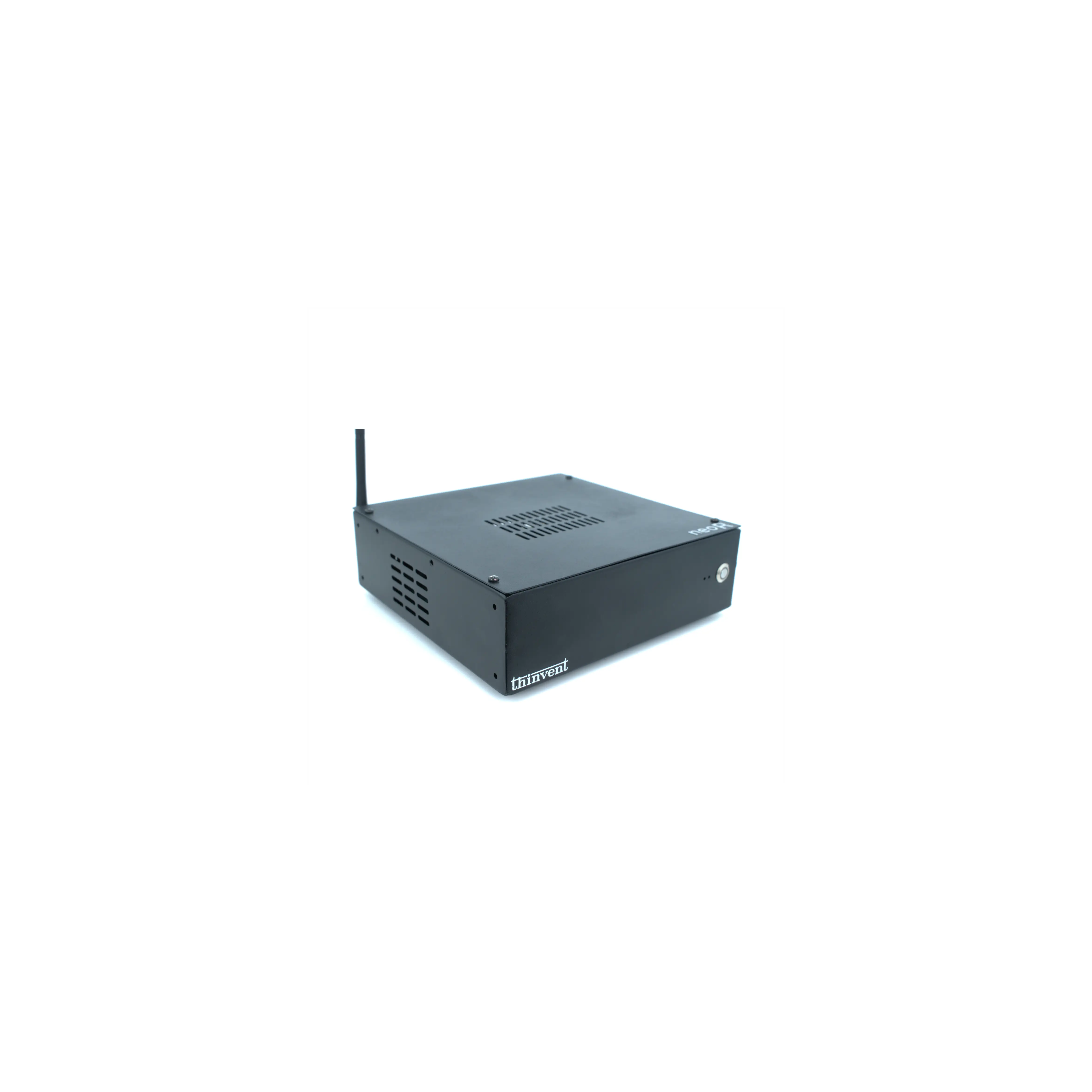
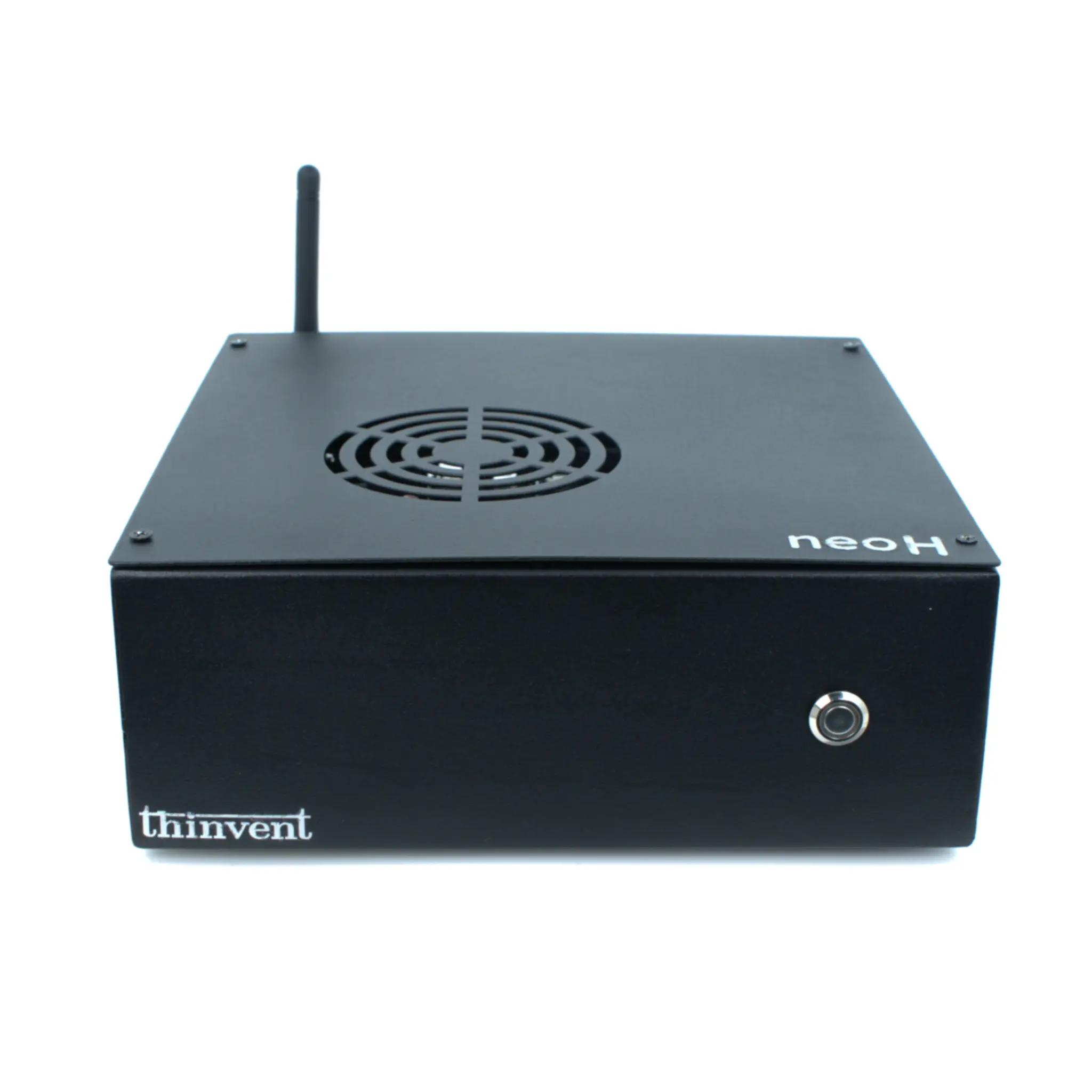
Thinvent integrates a wide range of high-efficiency laptop processors into its robust industrial computing solutions. Our product lines, including the Aero Mini PC series, utilize Intel's latest mobile CPUs—from the ultra-efficient N-series to powerful Core i5 and i7 processors. These systems are engineered for fanless operation, ensuring silent and reliable performance in demanding environments like factories, retail spaces, and outdoor installations. By leveraging mobile processor technology, Thinvent delivers compact, powerful, and energy-conscious computers built for continuous operation worldwide.