What to Look for in a Computer for Programming
When selecting a computer for programming, the primary considerations are processor performance, memory capacity, and storage speed. A powerful multi-core CPU, such as an Intel® Core™ i5 or i7, ensures fast compilation times and smooth multitasking when running IDEs, emulators, and debugging tools simultaneously. For light scripting or embedded development, an Intel® N-series or ARM® processor can be sufficient and highly energy-efficient.
Key specifications for a programming machine include:
-
Processor: At least 4 cores, with 6-12 cores recommended for professional development.
-
RAM: 8GB minimum for basic coding; 16GB or more for virtual machines, containers, or large projects.
-
Storage: An SSD (256GB or larger) drastically improves boot and load times.
-
Operating System: Windows, Linux (Ubuntu), or a dedicated embedded OS depending on your target platform.
Use Cases and Applications
Programming computers serve a wide range of development environments:
-
Web Development: Requires a balanced CPU and 8-16GB RAM for running local servers, databases, and front-end build tools.
-
Embedded/IoT Development: Often uses ARM-based thin clients with low power consumption and passive cooling, ideal for testing and deployment.
-
Industrial Automation: Needs rugged, fanless industrial PCs that can run continuous integration pipelines or control software in harsh conditions.
-
Enterprise Software: Benefits from high-core-count processors (e.g., 12th Gen Intel® Core™ i5) and ample RAM for virtualized development environments.
Comparison of Form Factors for Programming
| Form Factor | Best For | Key Advantage |
|---|---|---|
| Mini PC | General development, home office | Compact, quiet, upgradeable RAM/SSD |
| Thin Client | Remote development, IoT/embedded | Low power, fanless, ARM-based options |
| Industrial PC | Factory floor, edge computing | Rugged, wide temperature range, long lifecycle |
Thinvent's Products for Programming
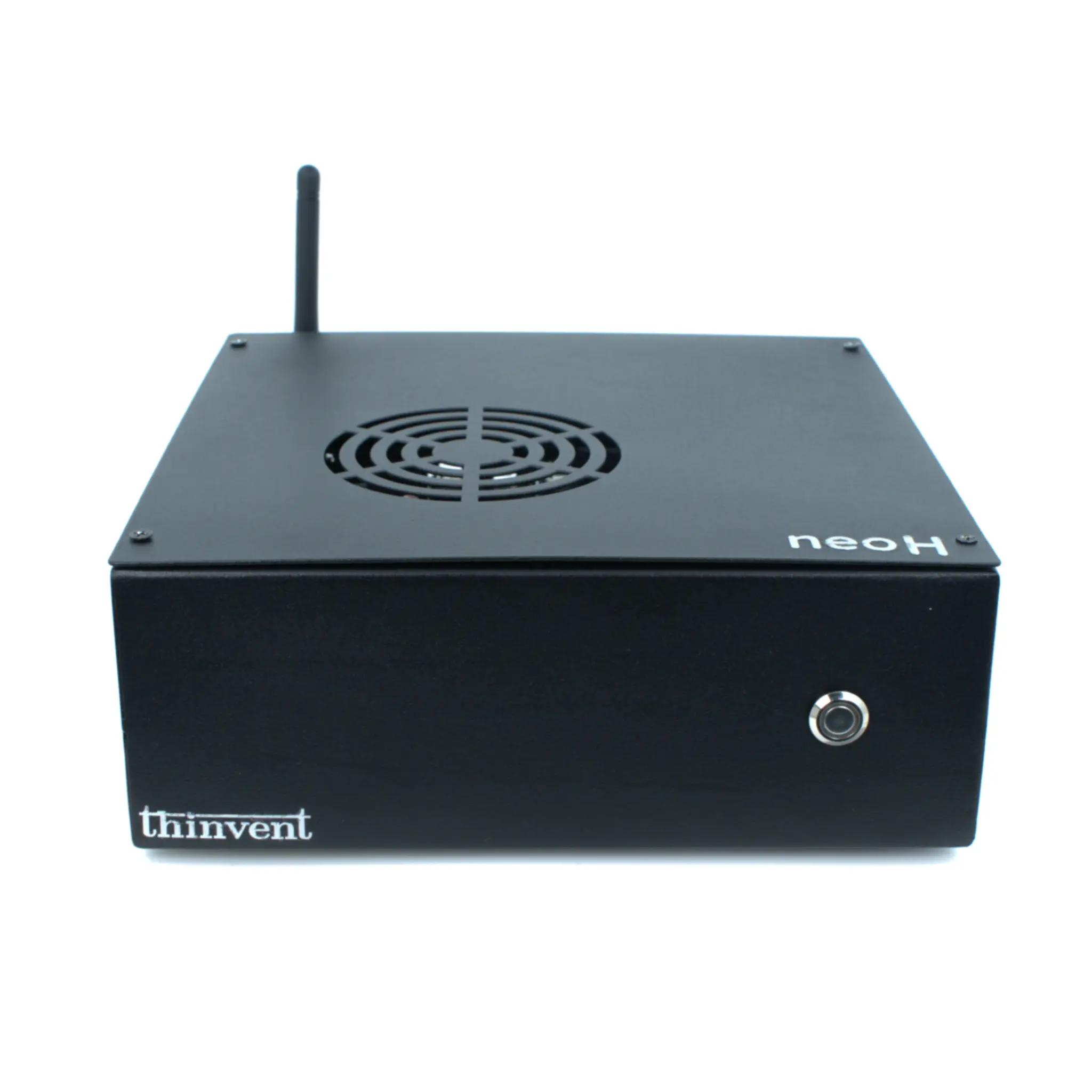
Thinvent offers a versatile range of computers tailored for programming tasks. For lightweight coding and embedded development, the Thinvent® Micro 5 WiFi Thin Client (ARM Cortex A53, 2GB RAM) or Micro 6 Pro (ARM Cortex A55, 4GB RAM) provide fanless, low-power platforms ideal for testing Linux or IoT applications. For more demanding development, the Thinvent® Aero Mini PC with an Intel® Core™ i3-1215U (6 cores, 8GB RAM) or the Thinvent® Treo Mini PC with an Intel® N100 (4 cores, 4GB RAM) offer a balance of performance and affordability. For professional-grade workloads, the Thinvent® Industrial PC IPC5 (12th Gen Intel® Core™ i5-1240P, 16GB RAM) delivers the power needed for complex compilations, virtualization, and data processing. All Thinvent systems support Windows, Ubuntu Linux, or Thinux™ Embedded Linux, giving developers the flexibility to choose their preferred environment.