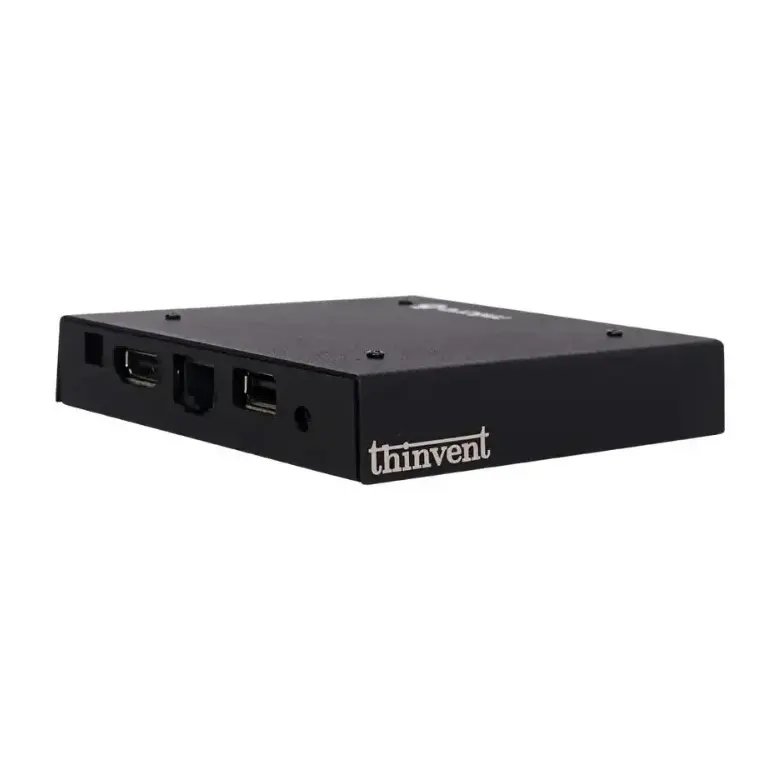
What Are Fanless Mini PCs?
Fanless Mini PCs are compact computing systems designed to operate without internal cooling fans. They rely on passive cooling techniques, such as heat sinks and thermally conductive chassis, to dissipate heat. This design eliminates moving parts, making them exceptionally reliable, silent, and resistant to dust and debris. These systems are built for environments where traditional computers with fans would fail or require constant maintenance.
Key Specifications and Technical Details
The core of a modern fanless mini PC is typically a low-power, high-efficiency processor from Intel's N-series (like the N100) or similar. Key specifications include:
-
Processor: Intel processors like the N100, featuring 4 cores, high efficiency, and integrated graphics.
-
Memory: Configurations typically range from 8GB to 16GB of DDR4 RAM.
-
Storage: Solid-state drives (SSD) from 128GB to 512GB for fast, reliable storage.
-
Connectivity: Multiple USB ports (including USB 3.2), HDMI outputs, and Gigabit Ethernet for robust network connections.
-
Power: Low-voltage DC input (e.g., 12V), making them ideal for embedded and mobile applications.
-
Operating Temperature: Designed to operate in wide temperature ranges, often from -20°C to 60°C.
Use Cases and Applications
The rugged and silent nature of fanless mini PCs makes them perfect for demanding applications:
-
Industrial Automation: Controlling machinery on factory floors where dust, vibration, and extreme temperatures are common.
-
Digital Signage & Kiosks: Powering displays in public spaces, retail, and transportation hubs, requiring 24/7 silent operation.
-
Thin Clients & VDI: Serving as durable endpoints for virtual desktop infrastructure in offices, hospitals, and call centers.
-
Edge Computing: Processing data locally in IoT networks, smart cities, and agricultural monitoring stations.
-
Embedded Systems: Integrated into medical devices, point-of-sale systems, and in-vehicle infotainment.
Comparison: Fanless vs. Traditional Mini PCs
| Feature | Fanless Mini PC | Traditional Mini PC (with Fan) |
|---|---|---|
| Cooling | Passive (Heat Sink) | Active (Fan) |
| Noise | Silent | Audible fan noise |
| Dust Resistance | High (Sealed Design) | Low (Fan intakes dust) |
| Mechanical Failure Risk | Very Low | Higher (due to fan) |
| Typical Use Case | Harsh/24/7 Environments | Office/General Computing |
| Thermal Performance | Stable in consistent env. | Better for burst performance |
Thinvent Fanless Mini PC Solutions
Thinvent offers a robust range of fanless industrial mini PCs engineered for reliability. Our Aero series, for example, features the efficient Intel N100 processor in a compact, completely fanless chassis. These systems come pre-configured with your choice of operating system—including Windows 11 IoT, Windows 11 Pro, Ubuntu Linux, or a lightweight embedded OS—to match your application needs. Built with industrial-grade components, Thinvent fanless PCs are tested for long-term stability in challenging conditions, providing a dependable computing core for automation, digital signage, and edge computing projects worldwide.