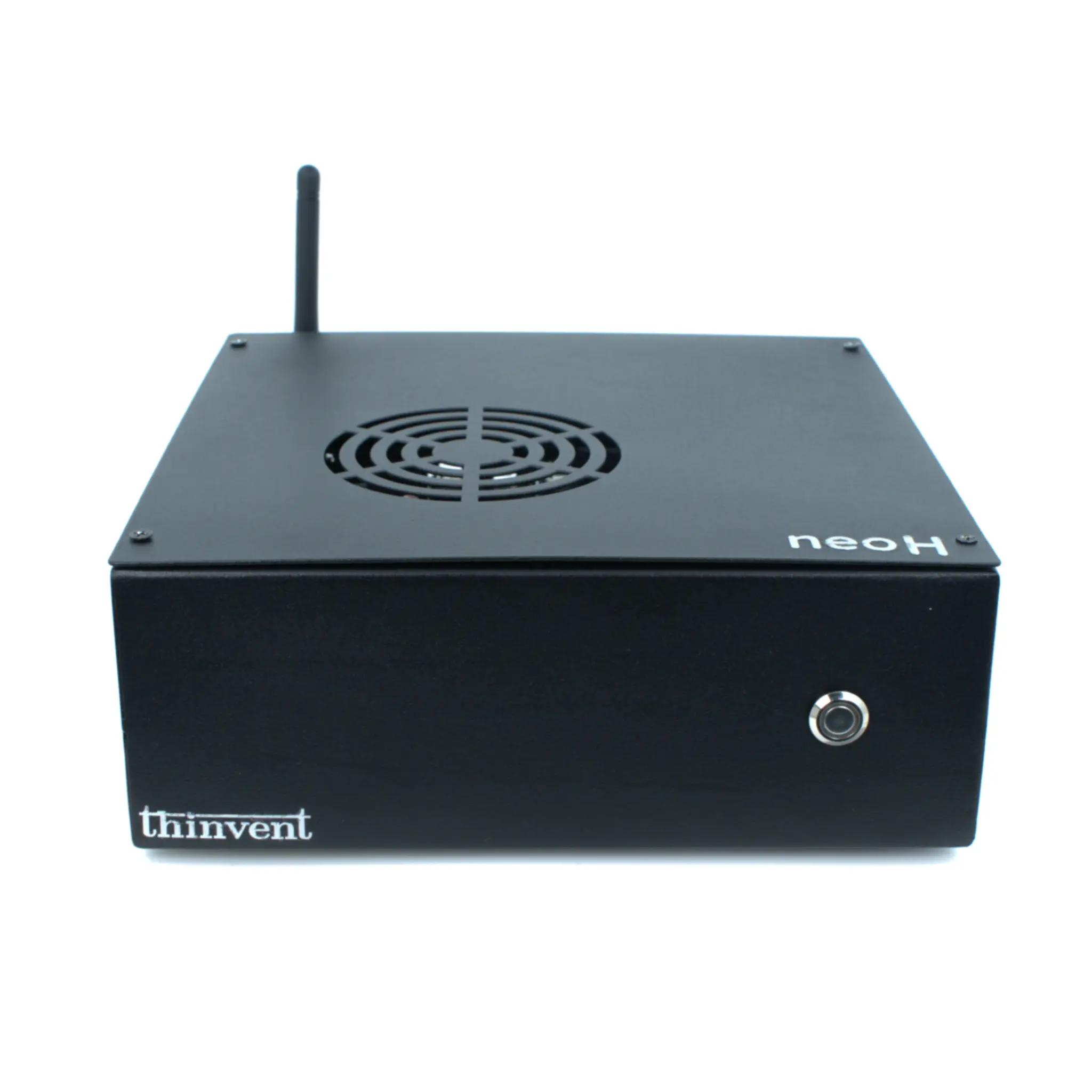
A Raspberry Pi Android Box typically refers to a compact, low-cost computing device that runs the Android operating system, designed for media playback, light computing, and IoT applications. While the original Raspberry Pi is a single-board computer that can run various operating systems, the term "Android Box" has become synonymous with small form-factor devices that transform a standard TV into a smart TV, enabling streaming, gaming, and web browsing. These devices are prized for their energy efficiency, silent fanless operation, and connectivity options like HDMI and USB.
Key specifications for a capable Android media box include an ARM-based processor for optimal Android compatibility, sufficient RAM (typically 2GB to 4GB) for smooth app operation, and onboard eMMC storage (16GB to 64GB) for the OS and applications. Essential connectivity includes at least one HDMI port for video output, USB ports for peripherals like keyboards or storage, and integrated Wi-Fi for wireless networking. These devices often run a customized version of Android or a lightweight embedded Linux distribution optimized for media consumption.
The primary use case is as a home entertainment hub for streaming services like Netflix, YouTube, and Kodi. Beyond media, these compact PCs are deployed in digital signage, lightweight kiosks, and thin client scenarios where a basic, always-on connection to a server or cloud application is required. Their low power draw and silent operation make them ideal for 24/7 use in retail displays, hotel information systems, or simple point-of-sale terminals.
Thinvent Products for Android & Media Applications
Thinvent offers a range of industrial-grade compact computing solutions that serve as robust, reliable alternatives to consumer-grade Android boxes. Our ARM-based Micro series thin clients and mini PCs, such as the Micro 5 Wifi and Micro 6 Pro, are engineered for continuous operation in demanding environments. Featuring fanless designs, ARM Cortex processors, onboard RAM and eMMC storage, and pre-installed Thinux™ Embedded Linux, they provide a stable platform that can be configured for media playback, digital signage, or lightweight computing tasks. For more demanding applications that require x86 compatibility or higher performance, our Intel-based Treo and Aero mini PCs offer greater processing power and flexibility with support for various operating systems, making them suitable for advanced digital signage, interactive kiosks, and industrial automation.