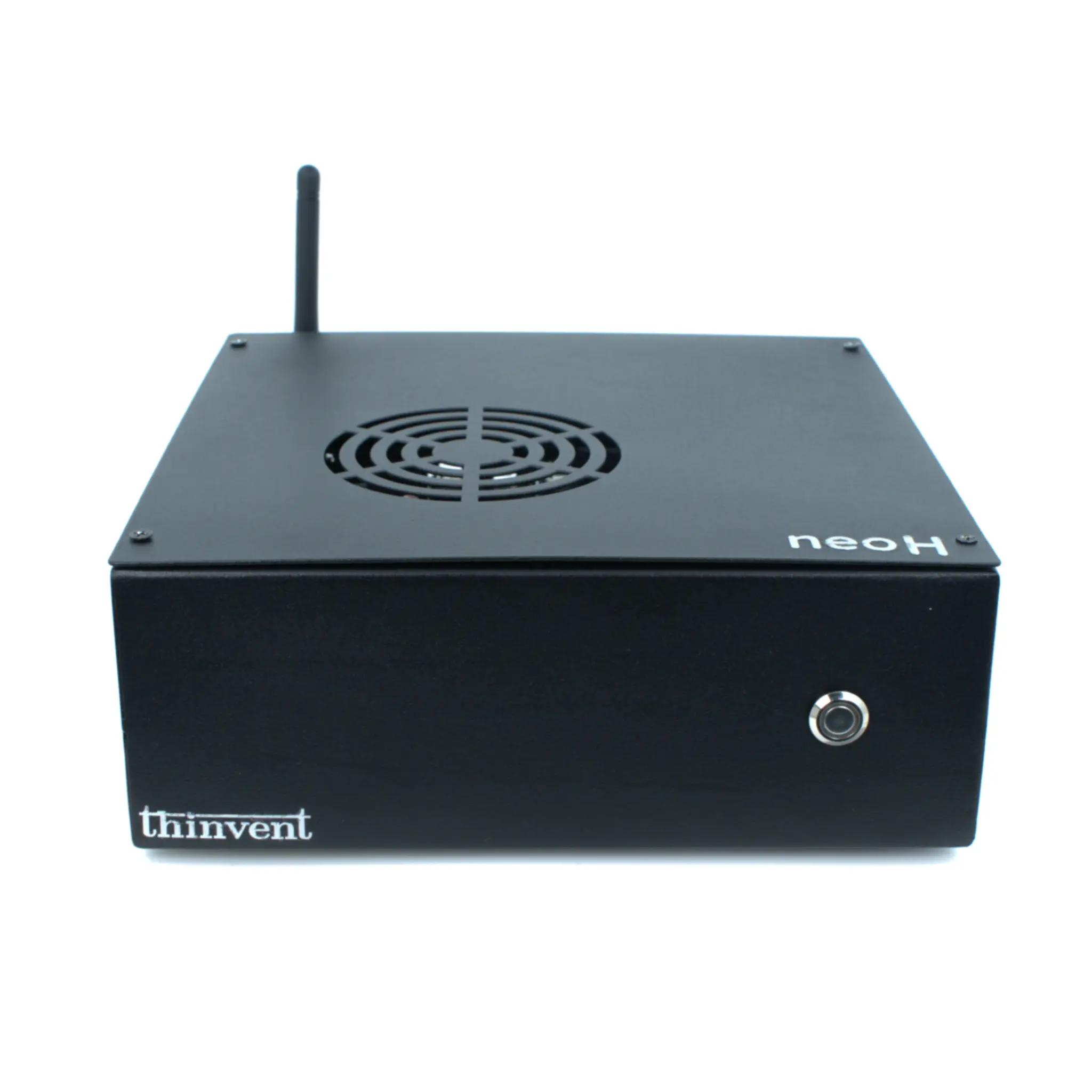
A Network-Attached Storage (NAS) device is a dedicated file storage server that provides data access to a network of clients. While the Raspberry Pi is a popular, low-cost platform for DIY NAS projects, it has limitations in performance, storage connectivity, and reliability for 24/7 operation. For professional, business, or demanding home use, purpose-built industrial mini PCs offer a superior foundation for a powerful and dependable NAS.
Key specifications for an effective NAS mini PC include a low-power, fanless processor for silent and reliable 24/7 operation, multiple high-speed Ethernet ports for link aggregation and network redundancy, and ample connectivity for internal and external storage drives. Processors like the Intel N100 or Celeron series provide an excellent balance of efficiency and performance for file serving and running light containerized services (like Plex, Nextcloud, or backup software). Sufficient RAM (8GB or more) is recommended for smooth operation of the NAS operating system (e.g., TrueNAS Scale, Unraid, OpenMediaVault) and any additional applications.
Primary Use Cases & Applications:
-
Home Media Server: Centralized storage for movies, music, and photos, streamable to smart TVs, phones, and tablets.
-
Small Business/Home Office File Server: Secure, centralized file storage and backup for multiple users.
-
Surveillance System Storage: Reliable recording destination for IP security camera footage.
-
Personal Cloud Storage: Host your own private cloud (e.g., Nextcloud) for remote file access and synchronization.
-
Development/Test Environment: Host virtual machines, Docker containers, or databases for software development.
Comparison: DIY Raspberry Pi vs. Industrial Mini PC NAS
| Feature | Raspberry Pi-based NAS | Industrial Mini PC-based NAS |
|---|---|---|
| Performance | Limited by USB-based storage & shared bus. | Superior with native SATA/M.2 interfaces and dedicated PCIe lanes. |
| Reliability | SD card for OS can corrupt; consumer-grade power supply. | Industrial-grade components, fanless design, stable power delivery for 24/7 use. |
| Expandability | Limited to USB ports; no internal expansion. | Multiple internal drive bays, M.2 slots, and expansion ports. |
| Network Speed | Typically single Gigabit Ethernet (shared with USB). | Often dual or more Gigabit Ethernet ports, some with 2.5GbE options. |
| Ease of Setup | Requires assembly, external enclosures, and configuration. | Integrated, compact system; often tool-less drive installation. |
Thinvent Products for NAS Storage
Thinvent's range of robust, fanless mini PCs are engineered for continuous operation, making them ideal candidates for building a high-performance NAS. Models like the Thinvent Treo Mini PC with an Intel N100 processor offer excellent efficiency for a quiet, low-power storage server. For more demanding workloads that involve media transcoding or running multiple services, the Thinvent Aero Mini PC with Intel Core processors provides the necessary computational power. Their industrial-grade construction ensures data integrity and system longevity, far surpassing the capabilities of a typical DIY Raspberry Pi setup. With multiple storage configuration options and reliable networking, Thinvent devices provide a professional, scalable foundation for any network storage need.