What Are Raspberry Pi Rivals?
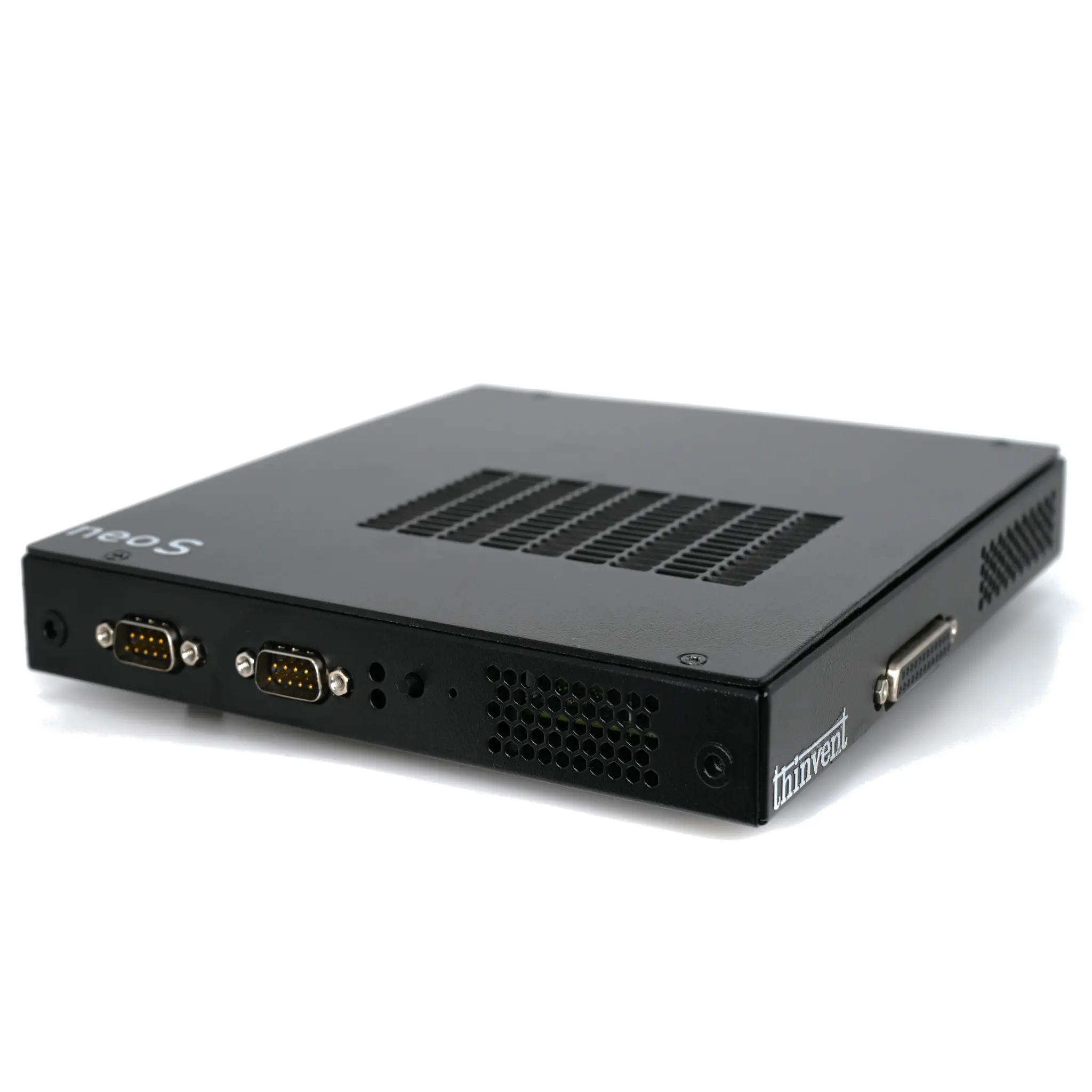
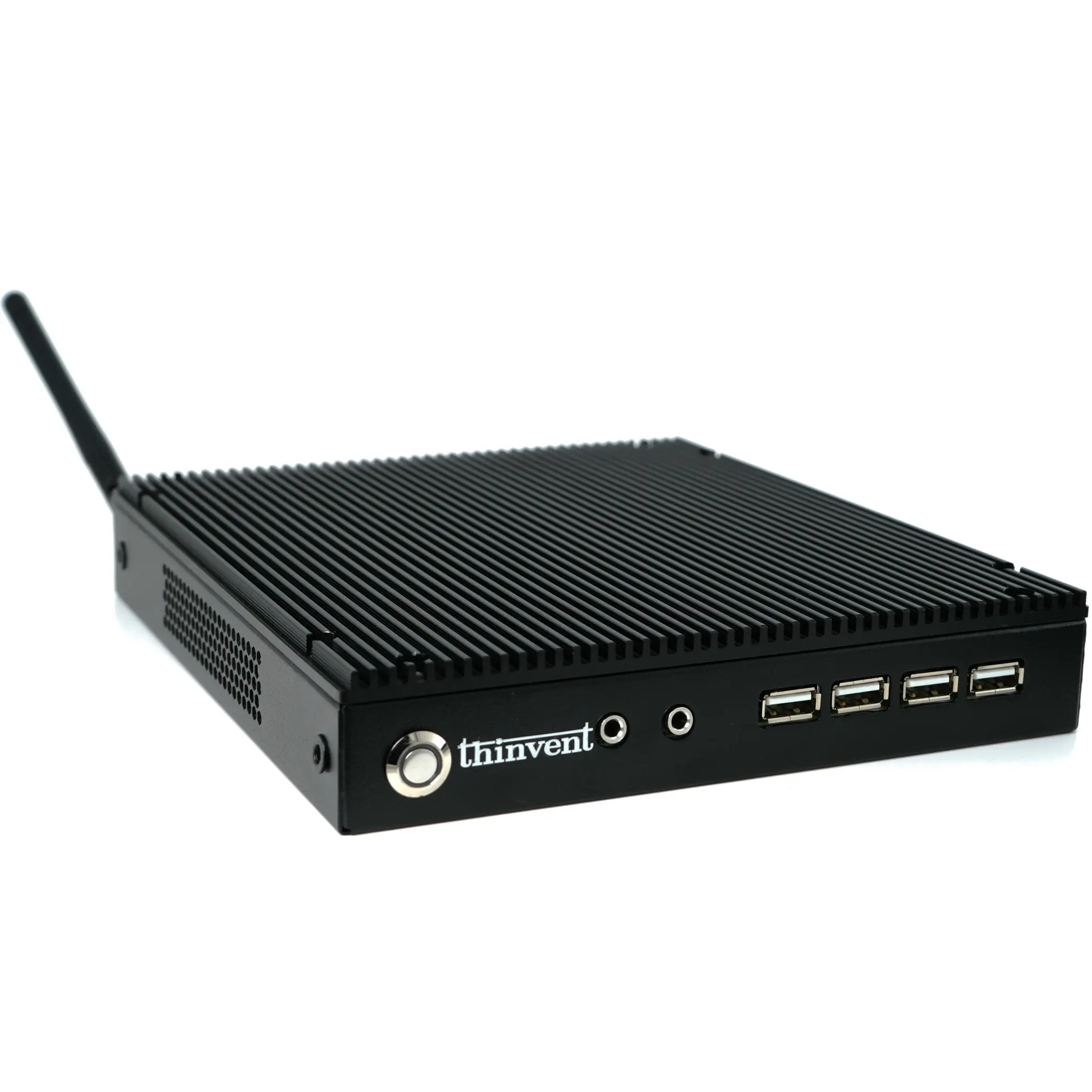
Raspberry Pi rivals are compact, single-board computers (SBCs) or small form factor PCs that serve as powerful, commercial-grade alternatives to hobbyist boards. While the Raspberry Pi is excellent for prototyping and education, industrial applications demand higher reliability, extended temperature ranges, better I/O connectivity, and professional support. Rival systems typically offer x86 architecture (like Intel processors) for full Windows/Linux compatibility, soldered RAM for vibration resistance, and fanless designs for silent, maintenance-free operation in harsh environments.
Key Specifications and Advantages
Industrial rivals to the Raspberry Pi are defined by their robust specifications. They often feature efficient Intel processors (like the N-series), which provide superior single-thread performance and integrated graphics compared to ARM-based SBCs. Standard features include DDR4 memory, M.2 SSD storage for faster boot times, and multiple display outputs (HDMI, DisplayPort). A critical differentiator is the industrial I/O, which includes multiple Gigabit Ethernet ports for networking, serial ports (RS-232/485) for legacy device control, and wide-range DC power input (9-36V) for vehicle or industrial power systems. Their fanless, all-metal chassis ensures passive cooling and durability.
Use Cases and Applications
These systems are engineered for 24/7 operation in demanding settings. Common applications include digital signage, where they drive multiple high-resolution displays; industrial automation, acting as a gateway or controller for PLCs and sensors; and edge computing, processing data from IoT devices locally. They are also ideal for thin clients in virtual desktop infrastructure (VDI), kiosks and interactive displays, and in-vehicle computing for logistics and public transportation. Their small size and rugged build make them perfect for space-constrained or dirty environments where a standard PC would fail.
Comparison: Raspberry Pi vs. Industrial Mini PCs
| Feature | Raspberry Pi (Hobbyist) | Industrial Rival (Commercial) |
|---|---|---|
| Architecture | ARM | x86 (Intel) |
| OS Compatibility | Linux, Limited Windows | Full Windows, Linux Distributions |
| Build Quality | Consumer PCB | Industrial-grade, Metal Enclosure |
| Cooling | Often requires active fan | Fanless, Passive Cooling |
| Power Input | 5V USB-C | Wide-range DC (e.g., 12-24V) |
| I/O Expansion | GPIO Pins | PCIe, M.2, Serial Ports |
| Operating Temp | Commercial (0-50°C) | Extended Industrial (-20°C to 70°C) |
| Support & Warranty | Community-based | Professional, Long-term Availability |
Thinvent's Industrial-Grade Alternatives
Thinvent offers a range of compact, fanless industrial computers that serve as reliable and powerful alternatives to development boards. Our Aero Mini PC series, for example, features the efficient Intel N100 processor, providing a balance of performance and low power consumption ideal for embedded projects. These systems come pre-configured with robust memory and storage options, and support a variety of operating systems including Windows IoT, Windows 11 Pro, and Linux distributions like Ubuntu. Built for durability and silent operation, Thinvent's solutions are designed to transition your prototype into a stable, deployable product for commercial and industrial environments worldwide.