What is a Real Computer for Industrial Use?
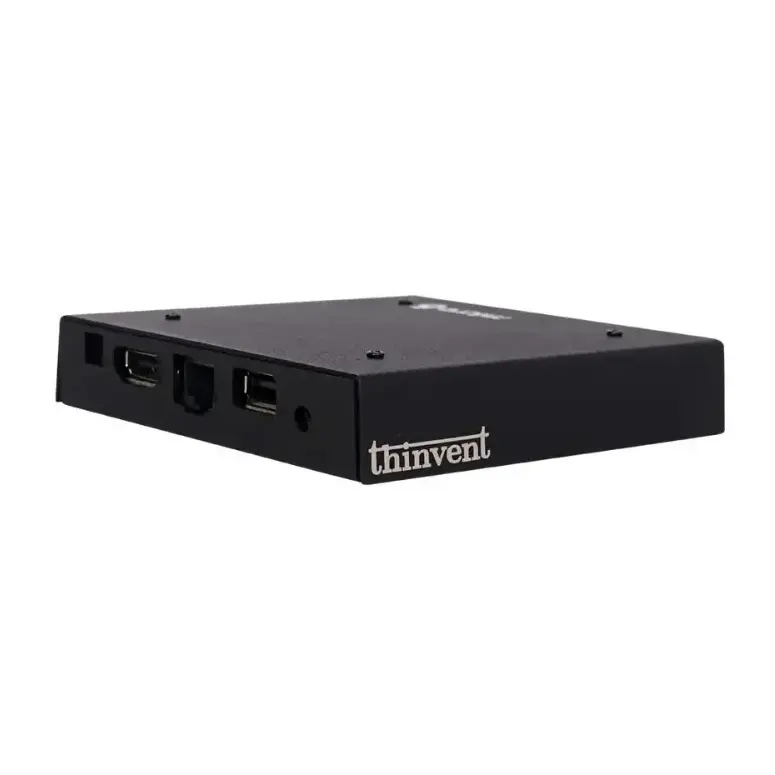
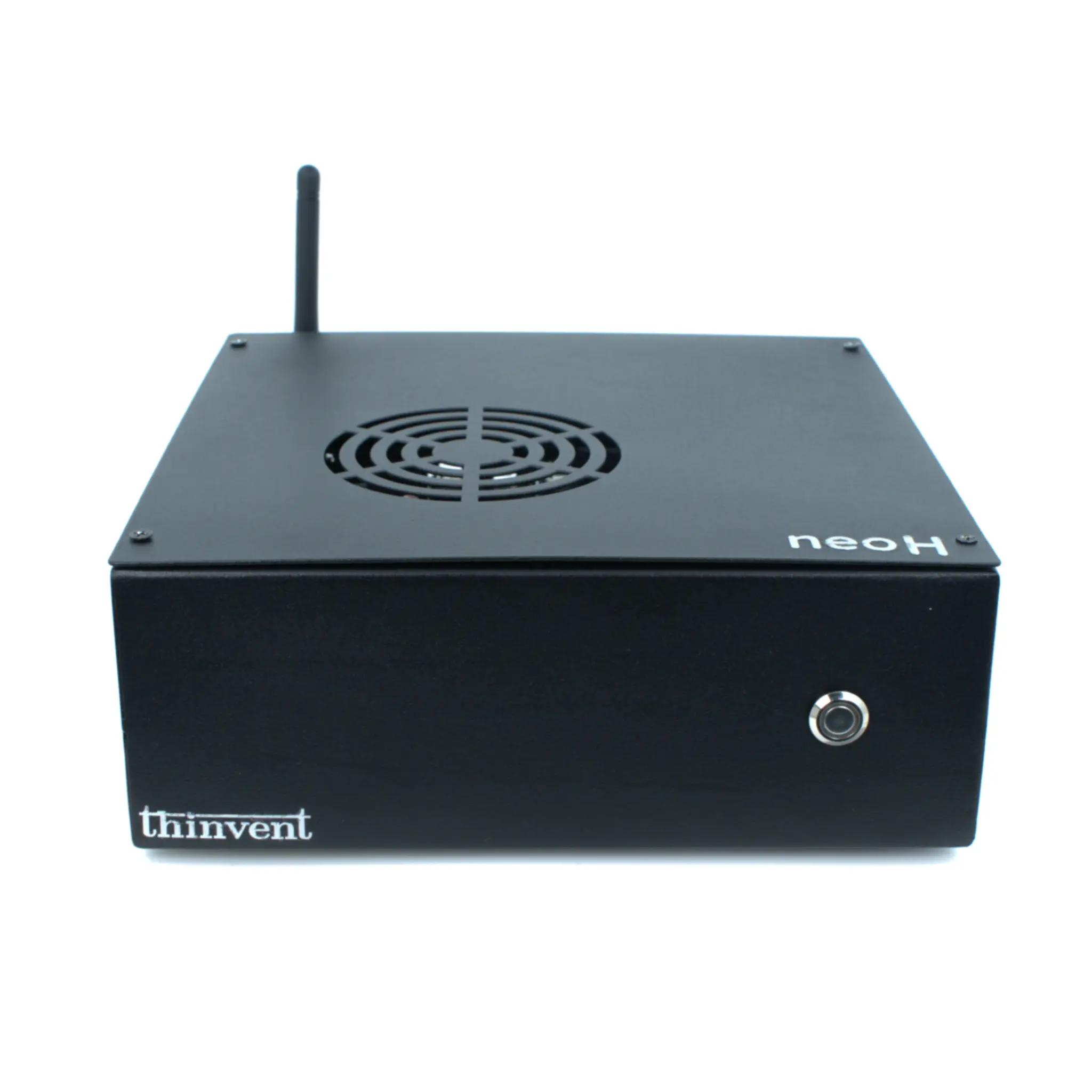
A "real computer" for industrial applications refers to a fully functional, self-contained computing system designed for reliability, durability, and continuous operation in demanding environments. Unlike consumer-grade PCs, these systems are built with industrial-grade components, often feature fanless cooling for silent and dust-resistant operation, and are engineered for long-term availability and stability. They provide the complete computing experience—processing power, memory, storage, and I/O—necessary to run critical software, manage data, and control equipment without compromise.
Key Specifications and Technical Details
Industrial real computers are defined by their robust specifications. Core components include modern, efficient processors (from Intel Celeron to Core i5/i7), ample DDR4 or DDR5 RAM (typically 8GB to 64GB), and fast SSD storage (128GB to 2TB). Critical differentiators are their form factors—such as compact Mini PCs, panel-mounted systems, or ruggedized boxes—and their extensive connectivity, including multiple Gigabit Ethernet ports, USB 3.2/4.0, HDMI/DisplayPort, and serial COM ports. They operate on wide voltage ranges (e.g., 9-36V DC) and within extended temperature ranges, ensuring functionality in harsh conditions.
Applications and Use Cases
These computers are the backbone of modern industrial automation and digital signage.
-
Factory Automation & Control: Running SCADA/HMI software, PLC programming, and machine vision systems on the shop floor.
-
Digital Signage & Kiosks: Powering interactive displays, wayfinding systems, and menu boards in retail, hospitality, and public spaces.
-
Edge Computing & IoT Gateways: Processing data locally from sensors and cameras before sending insights to the cloud, reducing latency and bandwidth.
-
Thin Client & VDI Hosts: Serving as centralized points for virtual desktop infrastructure in offices, labs, and call centers.
-
Transportation & Logistics: Managing fleet information, ticketing systems, and baggage handling in airports and stations.
Comparison: Industrial PC vs. Consumer PC
| Feature | Industrial Computer | Consumer Desktop PC |
|---|---|---|
| Operating Temperature | -20°C to 70°C (typical) | 5°C to 35°C |
| Build Quality | Metal chassis, fanless design, shock/vibration resistant | Plastic/metal, active cooling (fans) |
| Longevity & Support | 5-10+ year lifecycle, long-term component availability | 2-3 year cycle, frequent hardware changes |
| Power Input | Wide-range DC (e.g., 9-36V), often with terminal blocks | Standard AC (110-240V) |
| I/O & Expansion | Multiple LAN, COM, GPIO; often modular | Standard USB, HDMI, limited expansion |
| Primary Use Case | 24/7 reliability in harsh, fixed-function applications | General-purpose, office, gaming, intermittent use |
Thinvent's Range of Industrial Computing Solutions
Thinvent specializes in manufacturing a comprehensive portfolio of real computers engineered for industrial resilience. Our product lines include the Aero Series of ultra-compact, fanless Mini PCs, perfect for space-constrained digital signage and edge deployments. For more demanding computational tasks, our Industrial PC Series offers higher-performance Intel Core processors with greater expansion capabilities. We also provide All-in-One Panel PCs with integrated touchscreens for intuitive human-machine interfaces (HMIs) and Thin Clients optimized for secure, centralized computing environments. Every Thinvent system is built with quality components, undergoes rigorous testing, and is supported by our global technical team to ensure it delivers the unwavering performance your critical applications require.