What "Rechner L" Refers To
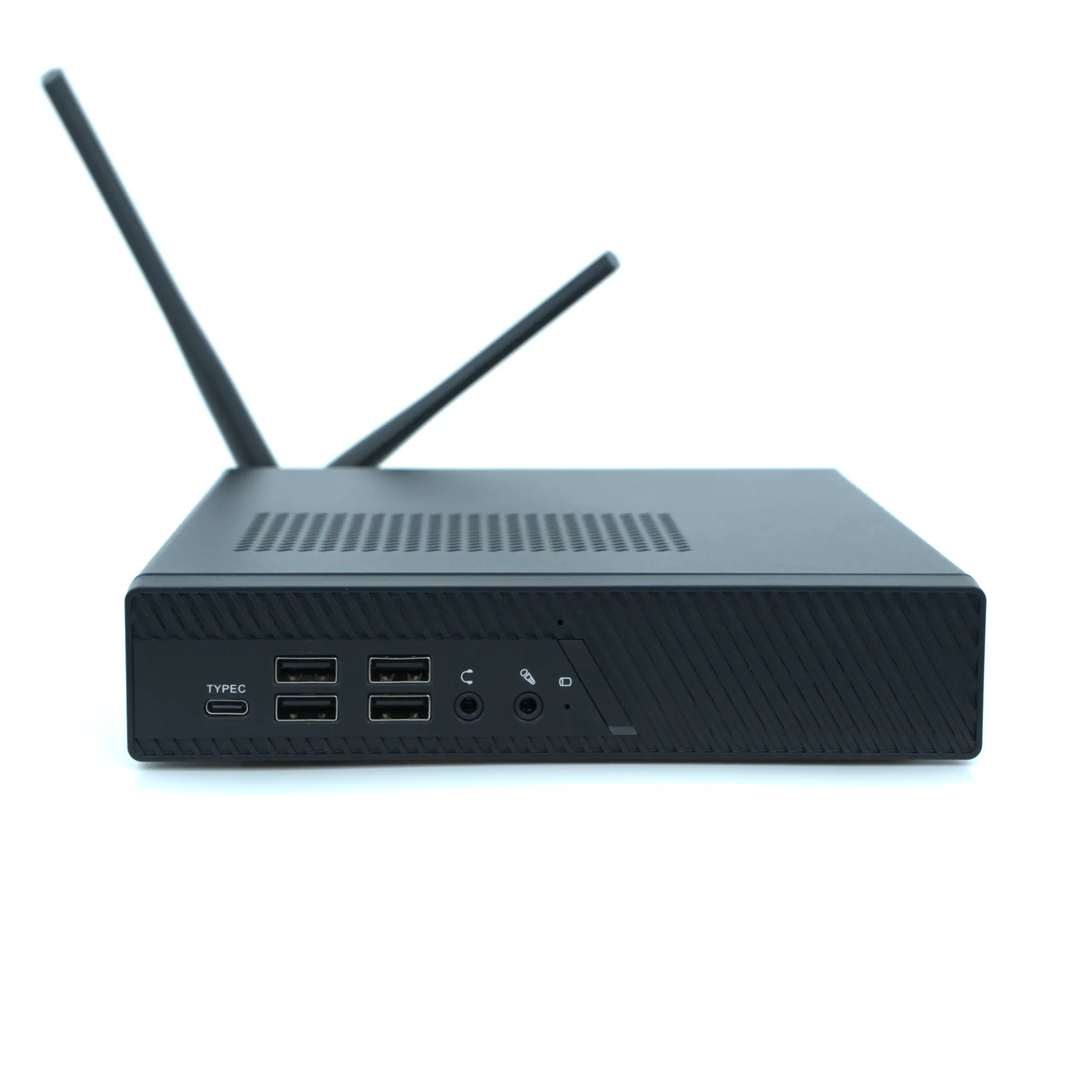
"Rechner" is the German word for "computer," and the "L" suffix most often signals a model or series variant — for example a larger chassis, a Linux-preloaded unit, or an industrial model in a vendor's lineup. Buyers searching this term are typically looking for a configurable industrial computer that can run reliably in a factory, kiosk, control cabinet, or laboratory environment, often with a choice of operating system and expansion options.
What to Look For in an Industrial Computer
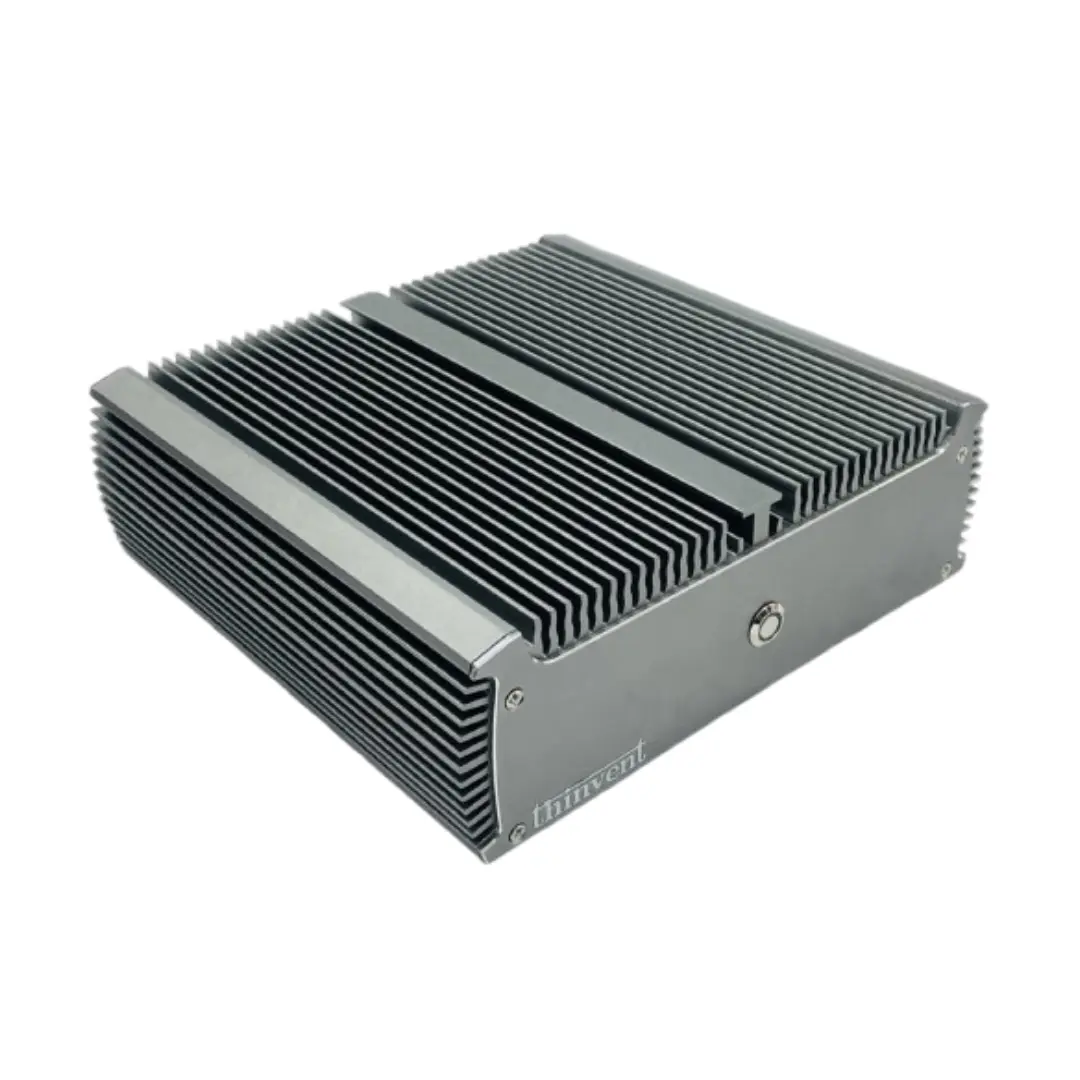
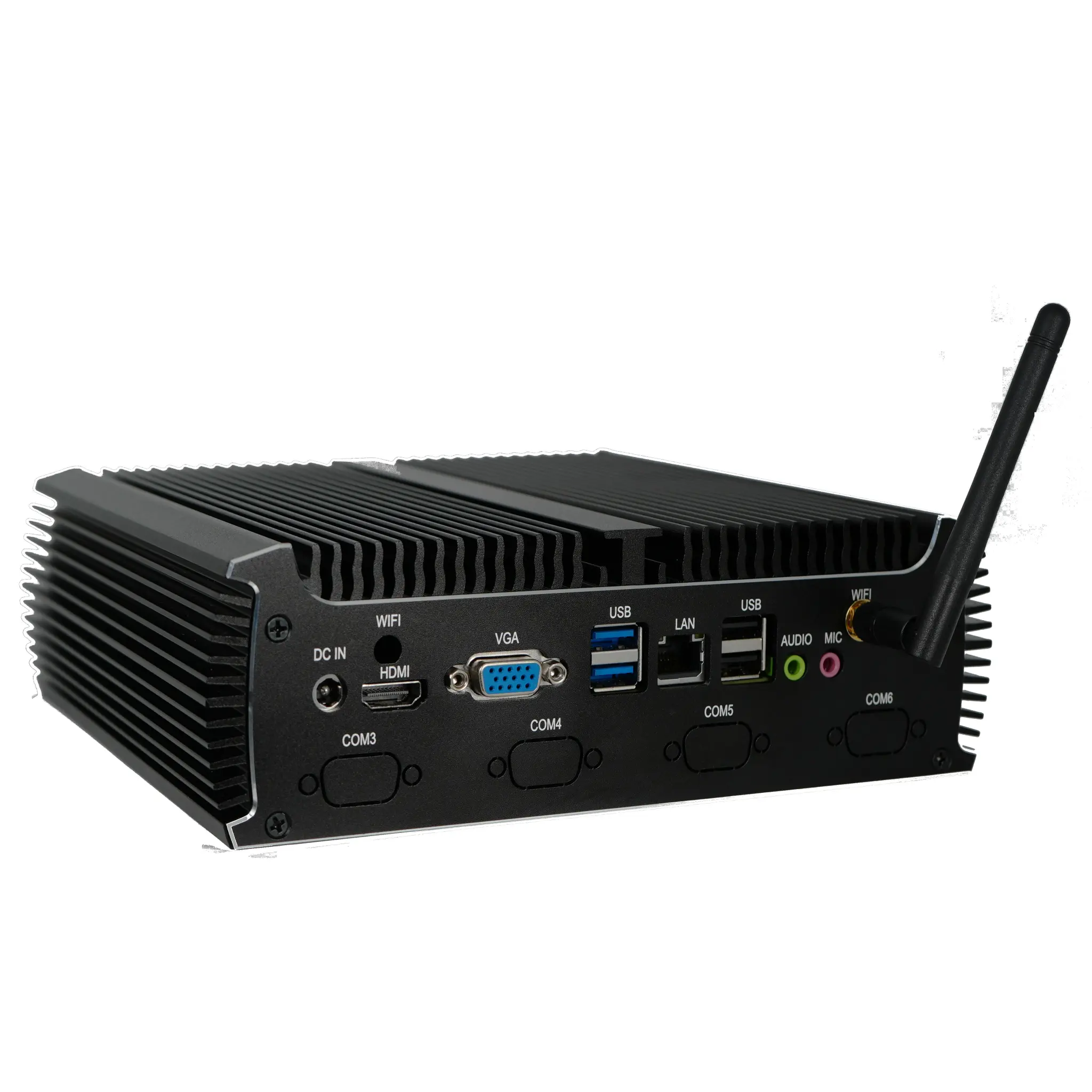
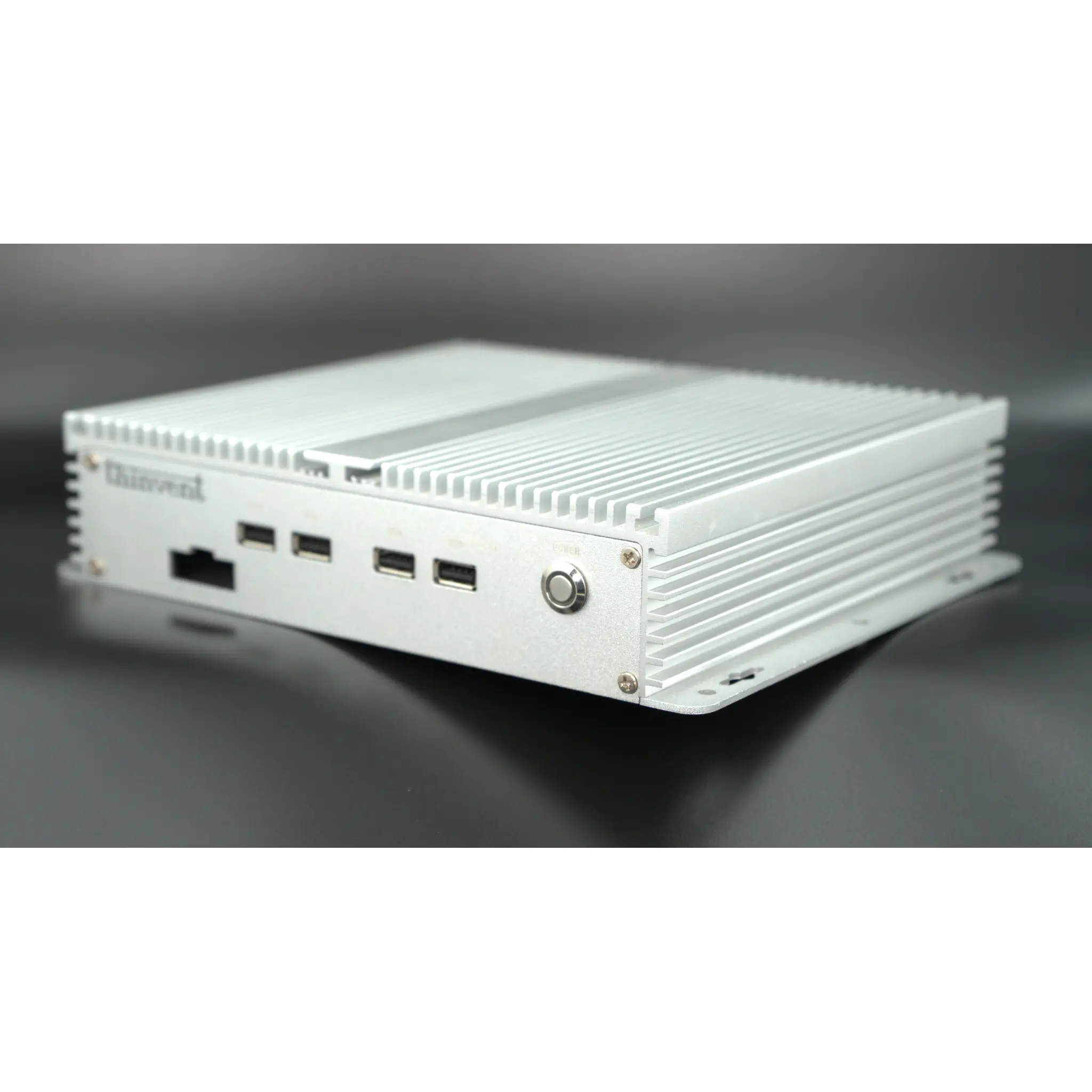
Industrial computers differ from office desktops in a few important ways. They are usually fanless, using the chassis itself as a heatsink, so no dust is drawn inside and there are no moving parts to wear out. They accept a wide DC input (commonly 12V), tolerate higher ambient temperatures, and are built to run 24/7. Connectivity is also different: multiple serial ports (RS-232/DB9), dual Gigabit Ethernet, and generous USB are common requirements for connecting PLCs, scales, scanners, and legacy equipment.
The processor determines how much of that workload one box can carry. Intel's 12th-generation Core i3-1215U is a hybrid design with 6 cores (2 performance + 4 efficient), a max turbo frequency of 4.4 GHz, and 10 MB of cache. It pairs well with 16 GB DDR4 and a 1 TB SSD, giving fast application launch, smooth multitasking, and enough headroom for databases, HMI/SCADA software, and edge data logging.
| Specification | Typical Industrial Requirement | What It Enables |
|---|---|---|
| CPU | 6-core, up to 4.4 GHz | HMI, SCADA, edge analytics |
| Memory | 16 GB DDR4 | Multiple apps, virtual machines |
| Storage | 1 TB SSD | Local logging, image/vision data |
| Serial | Quad DB9 RS-232 | PLCs, meters, legacy devices |
| Ethernet | Dual Gigabit | OT/IT network separation |
| Cooling | Fanless | Dusty, hot, vibration-prone sites |
Common Applications
These systems are widely used on production lines for machine control and visualisation, in warehouses for picking and logistics terminals, in retail and hospitality as point-of-sale or kiosk controllers, in laboratories for instrument data capture, and at the network edge for protocol conversion and gateway duties. A Linux-preloaded unit is often chosen where the application stack is containerised or where licence costs must be kept low, while Windows-based units suit vendors whose HMI software is Windows-only.
Choosing the Right Configuration
Start from the software, then work backwards. Confirm the operating system, count the serial and network ports you actually need, and size memory and storage for the data you intend to keep locally. If the machine will sit in a sealed cabinet with no airflow, prioritise fanless designs and check the rated ambient temperature. Where the unit will be serviced remotely, dual Ethernet and a stable, well-documented OS image matter more than raw clock speed.
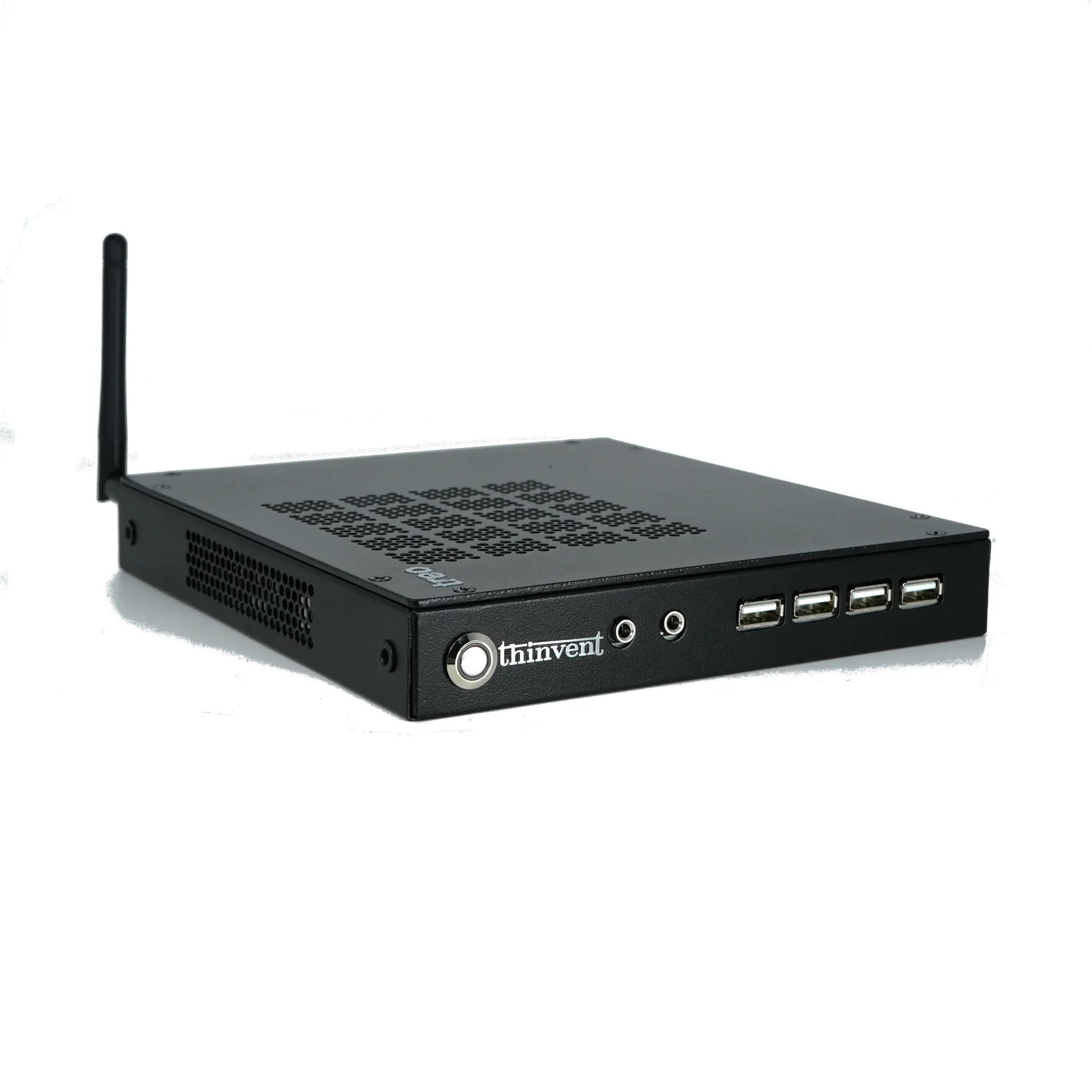
Thinvent Industrial Computers
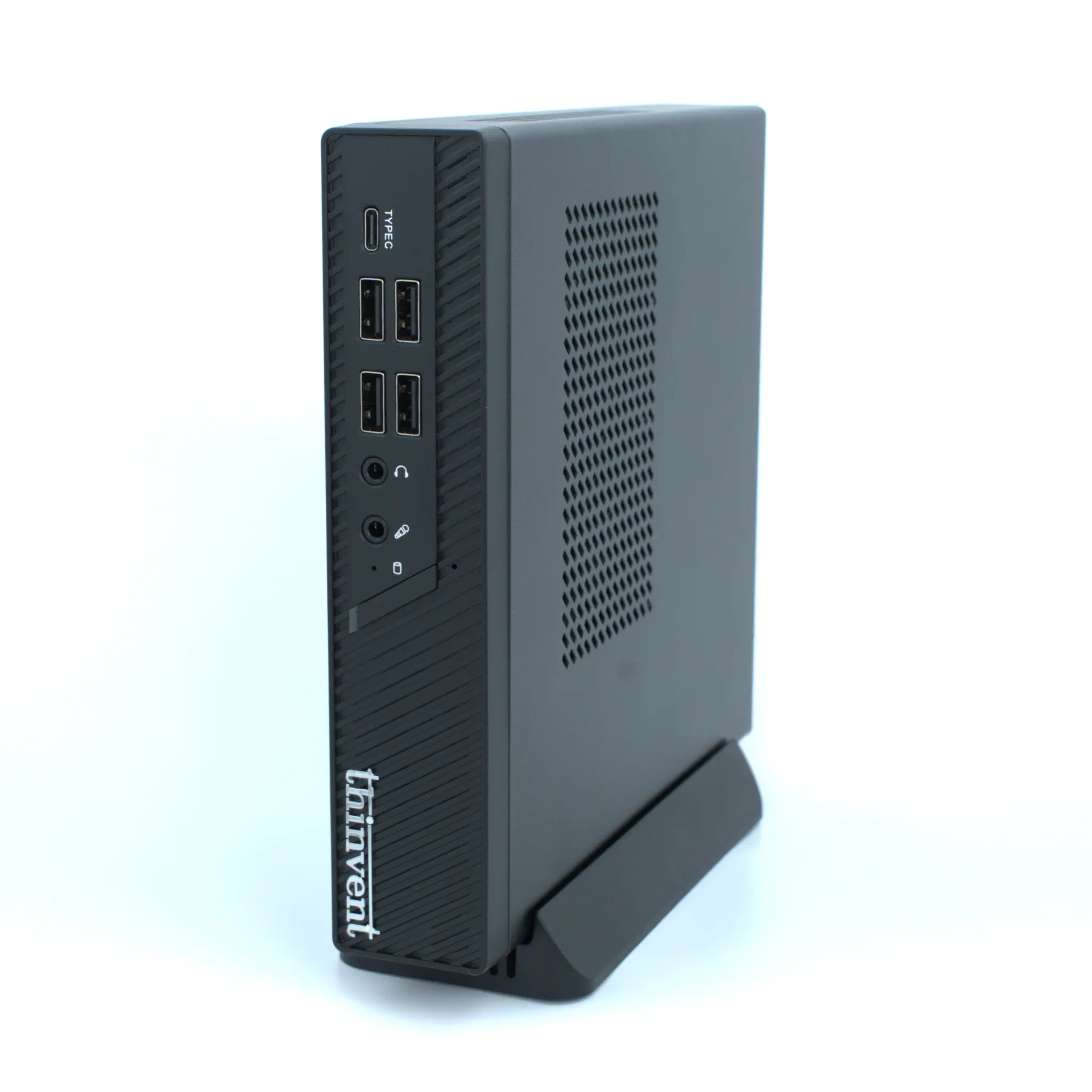
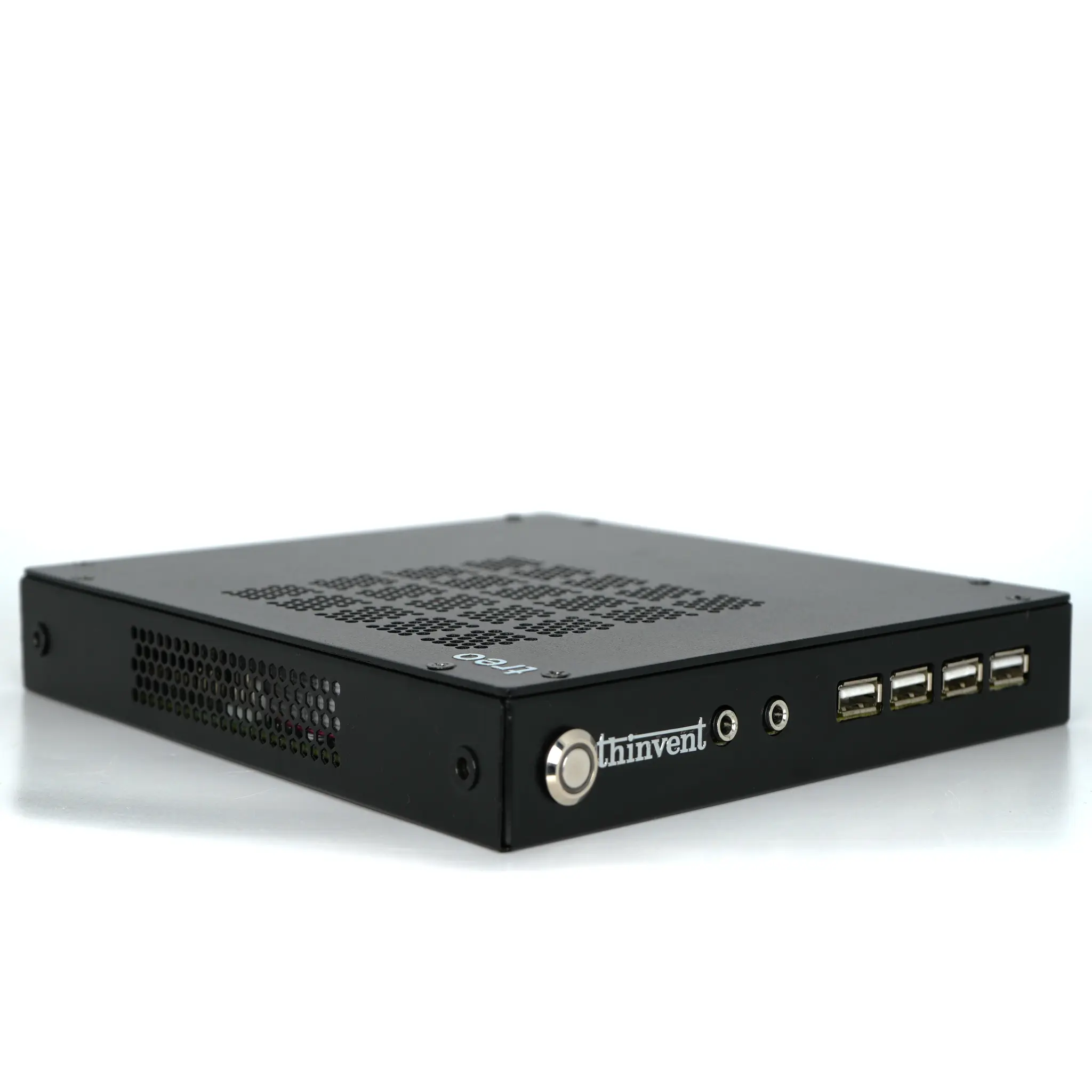
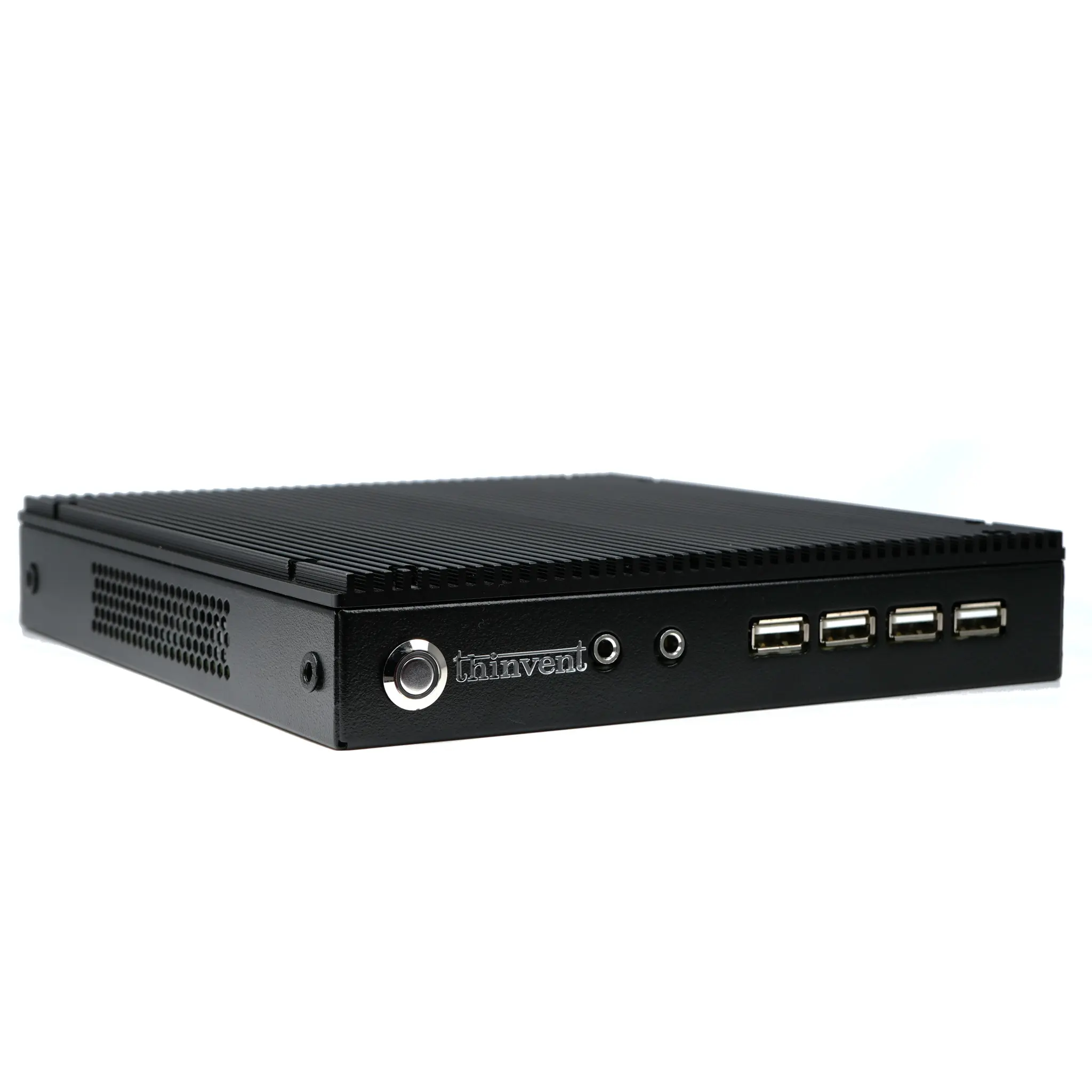
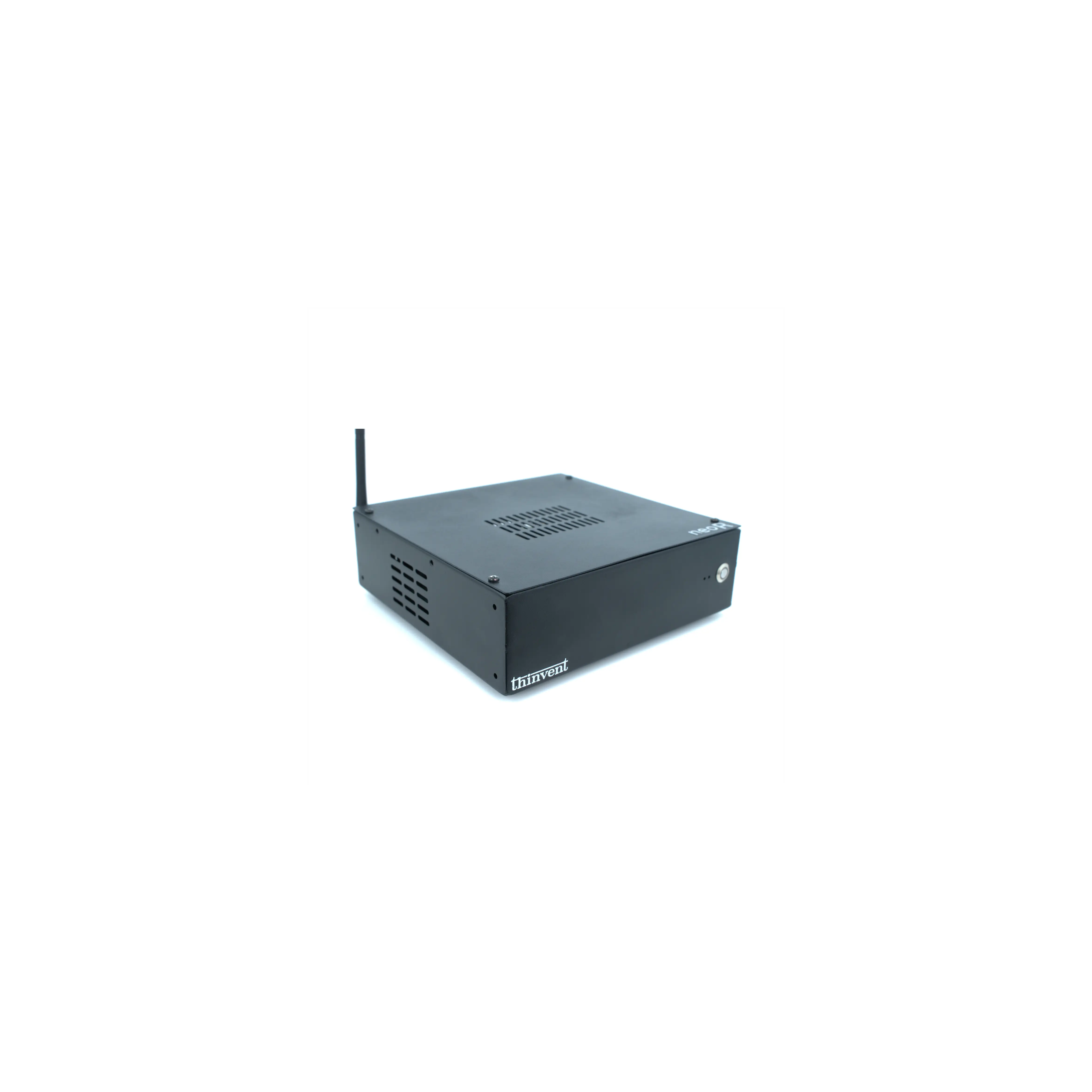
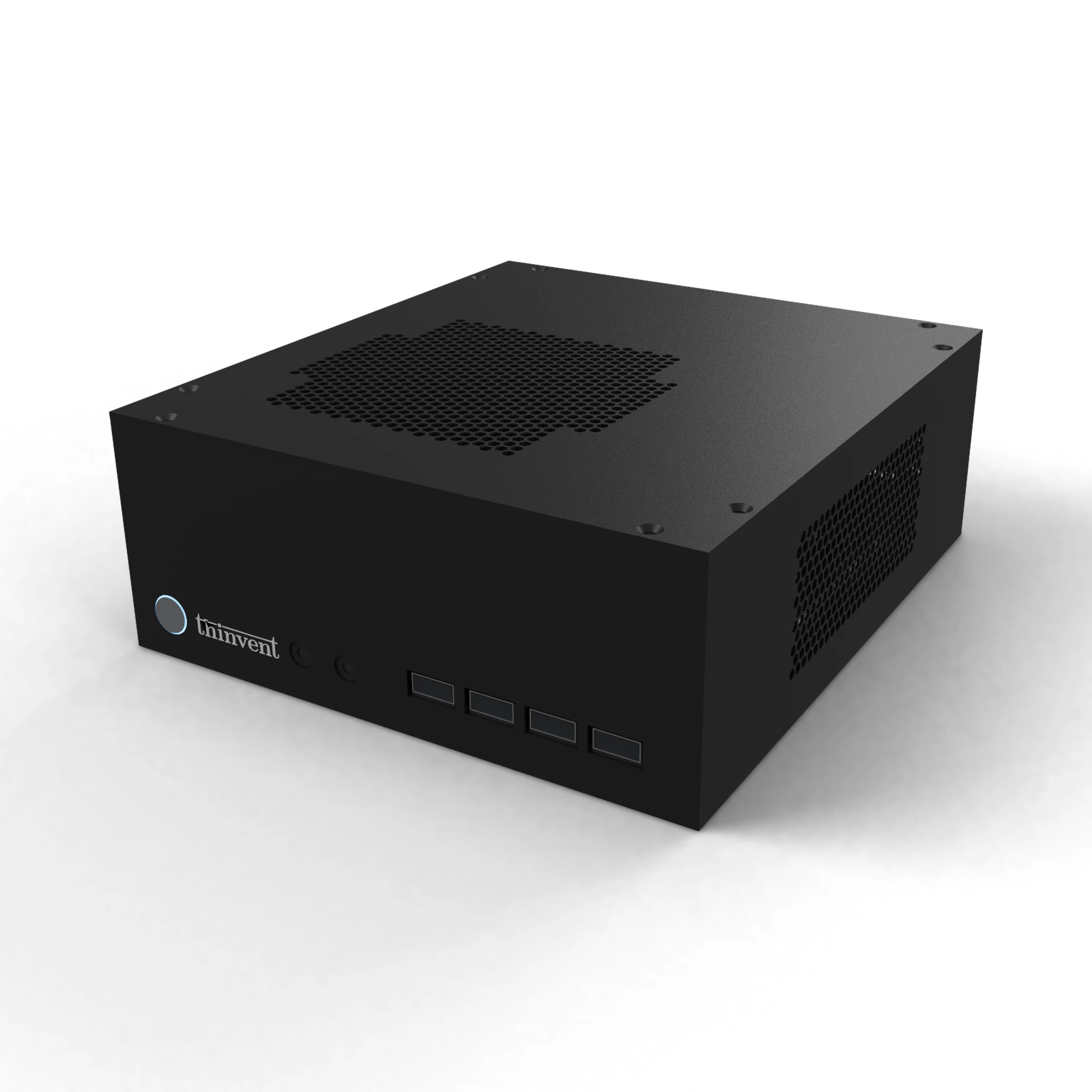
Thinvent manufactures fanless industrial computers, mini PCs, thin clients, and all-in-one PCs for customers worldwide. The IPC3 series is built around the Intel Core i3-1215U processor with 16 GB DDR4 RAM and a 1 TB SSD, and is available with a choice of operating systems including Windows 11 Professional, Windows 11 IoT Value, DOS, and Thinux Embedded Linux. Configurations with quad DB9 serial ports are offered for machine-control and instrumentation deployments, and units can be supplied without WiFi for environments where wireless is not permitted.