What Are Refurbishment Computers?
Computers for refurbishment are specialized, cost-effective systems designed for businesses that restore, test, and resell used electronics. These devices are engineered for reliability, long-term operation, and compatibility with diagnostic and imaging software. They often feature robust build quality, stable performance, and flexible connectivity to handle a variety of peripherals like barcode scanners, external drives, and diagnostic tools. The primary goal is to provide a dependable workstation that maximizes efficiency in a refurbishment or repair center environment.
Key Specifications for Refurbishment Workstations
An ideal refurbishment computer balances processing power with operational stability. Key specifications include:
-
Processor: Multi-core CPUs (e.g., Intel Core i3/i5 or efficient N-series) to run multiple diagnostic tools and imaging software simultaneously.
-
Memory: 8GB to 16GB of RAM is typically sufficient for smooth multitasking between OS installations, hardware tests, and quality control software.
-
Storage: Fast SSDs (256GB to 512GB) ensure quick disk imaging and OS deployment. Multiple storage bays or support for external drives are beneficial for handling large image libraries.
-
Connectivity: Multiple USB ports (including USB 3.2) are essential for connecting various diagnostic dongles, external storage, and peripherals. Reliable Gigabit Ethernet ensures fast network transfers for software downloads and system updates.
-
Operating System: Flexibility is key. Systems may come with Windows 11 Pro for compatibility with commercial software, Linux for open-source tools, or no OS for complete customization.
Applications and Use Cases
These computers are the backbone of electronics lifecycle management. Primary applications include:
-
Device Testing & Diagnostics: Running hardware stress tests, battery health checks, and component validation software.
-
Software Imaging & Deployment: Using disk cloning and deployment tools to install fresh operating systems and standard software packages on refurbished units.
-
Quality Control Stations: Functioning as final inspection points where refurbished devices are checked for functionality and cosmetic standards.
-
Point-of-Sale & Inventory Management: In a retail refurbishment setting, they can also manage inventory databases and process sales.
Thinvent Solutions for Refurbishment Operations
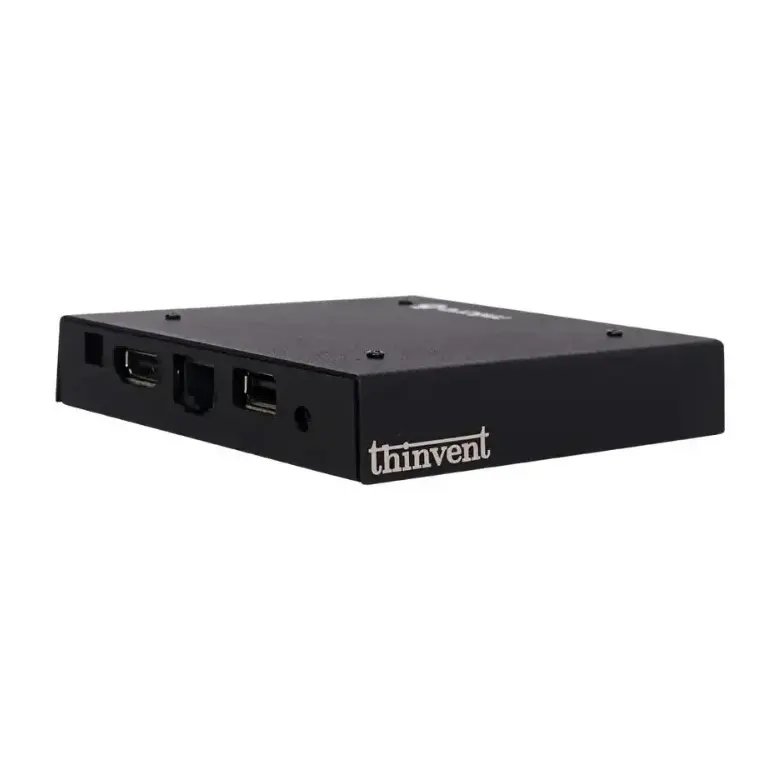
Thinvent offers a range of industrial and mini PCs perfectly suited for the demanding environment of device refurbishment. Our systems are built for 24/7 reliability, often featuring fanless designs for silent, dust-resistant operation in workshops.
For Core Refurbishment Tasks: Our Treo and Industrial PC IPC series with Intel N100 or Core i3 processors provide excellent performance for diagnostics and imaging. They offer a great balance of power and efficiency.
For High-Volume or Advanced Workstations: The Aero Mini PC and higher-end Industrial PC models with Intel Core i5 processors (like the i5-1250P) deliver the multi-core performance needed for running multiple virtual machines, advanced diagnostic suites, and handling data-intensive tasks simultaneously.
All Thinvent computers support a variety of operating systems and are built with industrial-grade components for longevity, ensuring your refurbishment pipeline runs smoothly and reliably.