What is an Intel Core i7 Server PC?
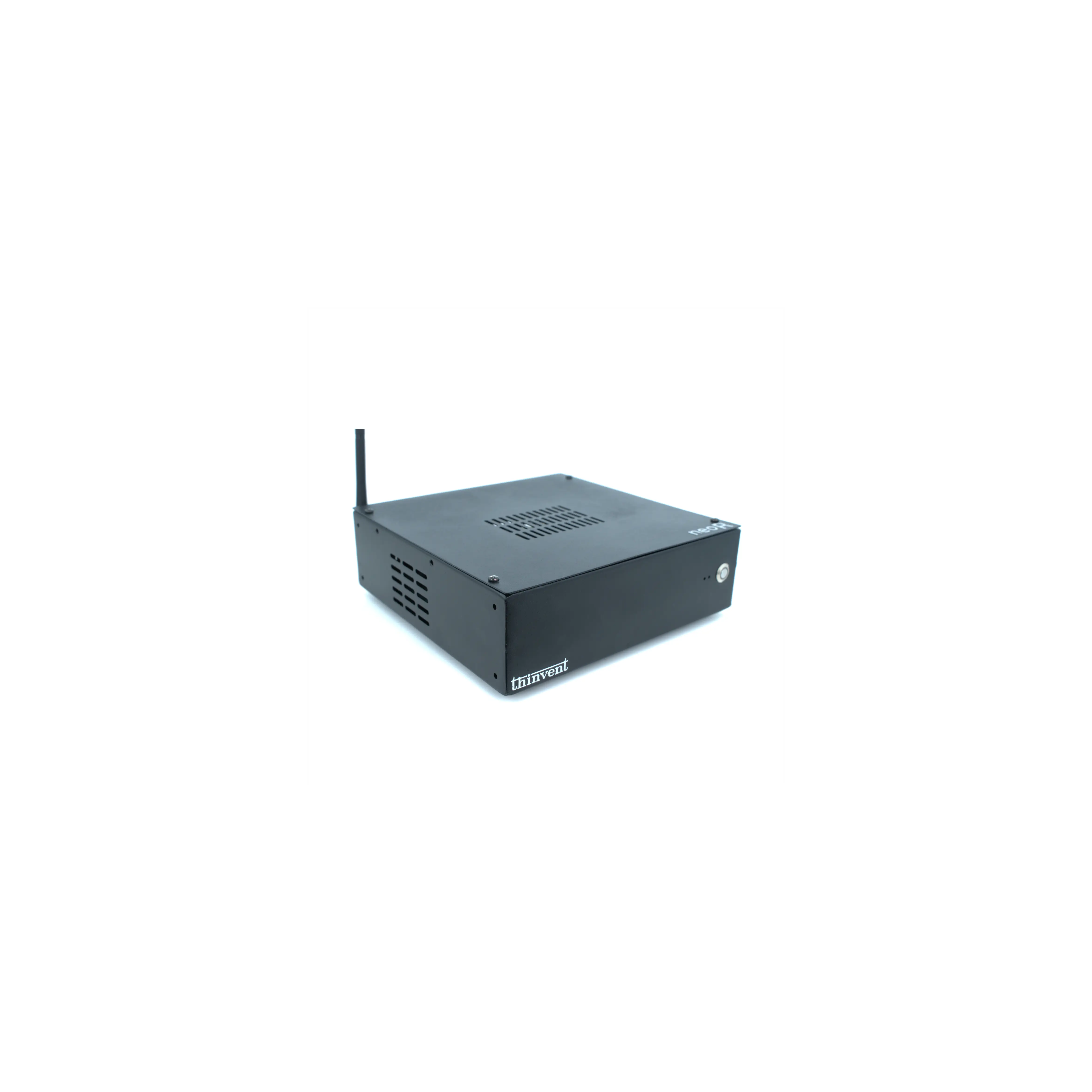
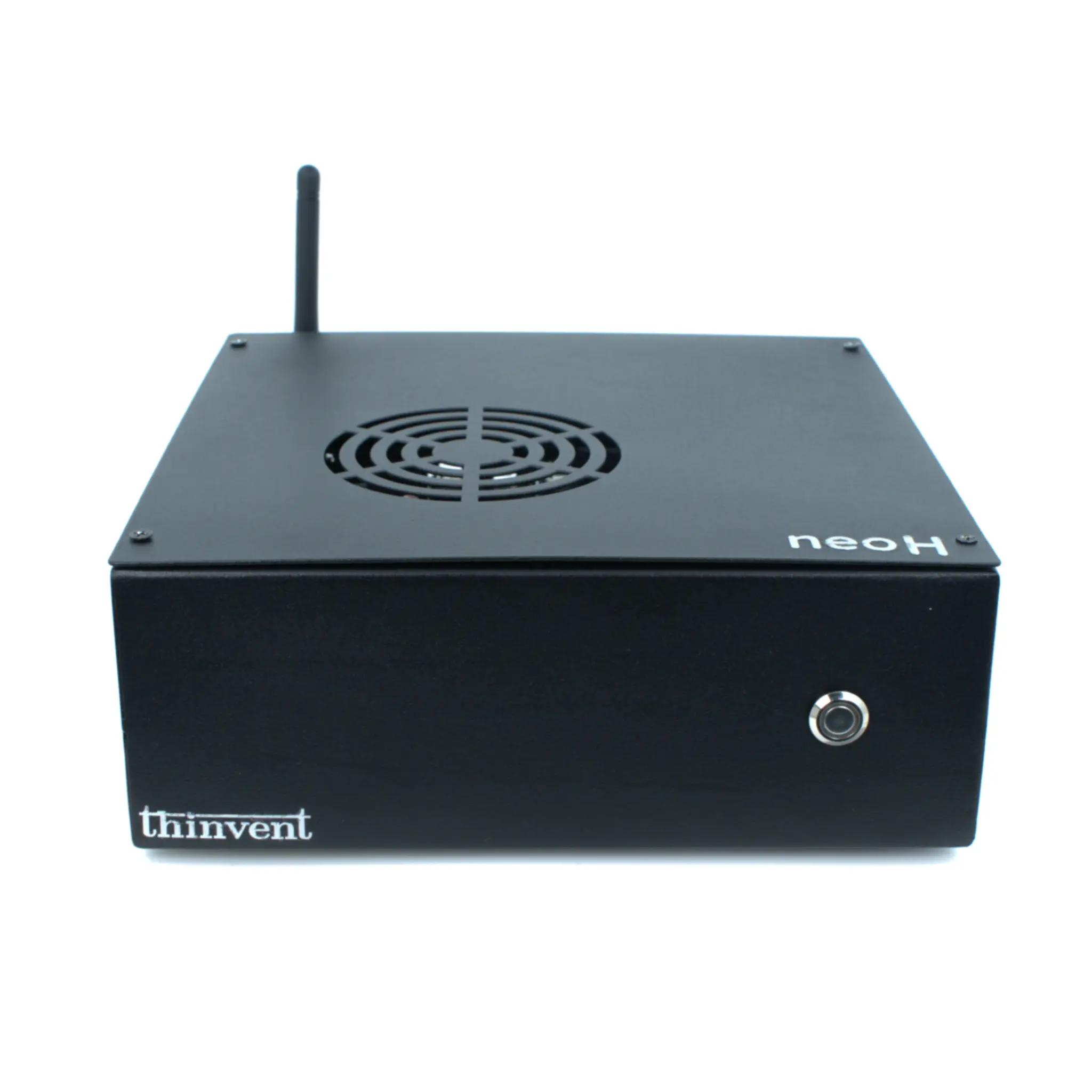
An Intel Core i7 server PC is a compact, powerful computing system designed for server-like workloads, leveraging the high-performance Intel Core i7 processor series. These systems are engineered to deliver robust multi-core performance, high clock speeds, and advanced features like Intel Hyper-Threading and Turbo Boost, making them suitable for demanding applications that require reliable, continuous operation. Unlike traditional bulky rack servers, these PCs often come in industrial or mini PC form factors, offering a balance of power, efficiency, and space-saving design for edge computing and dedicated server tasks.
Key Specifications and Technical Details
Core i7 server PCs are defined by their processor capabilities. Modern i7 processors, such as those from the 12th, 13th, and 14th generations, feature a high core count (typically 10 to 16 cores), high thread counts, and substantial L3 cache (up to 30MB). They support fast DDR4 or DDR5 memory, often configurable up to 64GB or 128GB. Storage options include high-speed NVMe SSDs (512GB to 2TB) and SATA drives for capacity. Critical server-oriented features include:
-
Reliable Connectivity: Dual or quad Gigabit Ethernet ports (often with Intel controllers) for network redundancy and load balancing.
-
Robust I/O: Multiple USB 3.2/4.0 ports, DisplayPort/HDMI for local management, and expansion slots (e.g., M.2, PCIe) for adding network cards or storage controllers.
-
Industrial Design: Fanless or actively cooled chassis with wide operating temperature ranges, vibration resistance, and 24/7 operational reliability.
Ideal Use Cases and Applications
These powerful systems are perfect for scenarios where a full-sized server is overkill or space is constrained. Common applications include:
-
Edge Computing Servers: Processing data locally in IoT networks, manufacturing plants, or retail environments.
-
Network Attached Storage (NAS) & Media Servers: Handling file sharing, backups, and media streaming with efficient hardware transcoding.
-
Application & Database Servers: Running business applications, web servers (like Apache/Nginx), or lightweight databases (MySQL, PostgreSQL) for small to medium workgroups.
-
Virtualization Hosts: Using hypervisors (e.g., Proxmox VE, VMware ESXi) to run multiple virtual machines for development, testing, or production environments.
Comparison: Core i7 vs. Other Server Processors
| Feature | Intel Core i7 (Desktop) | Intel Xeon E | Intel Processor N-Series |
|---|---|---|---|
| Primary Use | High-performance computing, entry-level servers | Mission-critical servers, workstations | Low-power edge, thin clients, kiosks |
| ECC Memory Support | Typically No | Yes | No |
| Core/Thread Count | High (e.g., 10C/16T) | Very High | Low (e.g., 4C/4T) |
| Reliability Features | Standard | Advanced (vPro, RAS) | Basic |
| Power Consumption | Moderate to High | High | Very Low |
| Ideal For | SMB servers, virtualization, media servers | Data centers, financial databases | Digital signage, simple IoT gateways |
Thinvent's Industrial PCs with Server-Grade Performance
Thinvent offers a range of industrial computing solutions that embody the power and reliability needed for server applications. While our current showcased products feature efficient Intel N-Series processors for lightweight tasks, our broader portfolio includes systems equipped with higher-tier Intel Core processors, including i7 variants, designed for more demanding workloads. These industrial PCs are built with durability in mind, featuring fanless designs for silent operation, wide voltage input for unstable power environments, and robust metal enclosures. They are ideal for deploying as compact, ruggedized servers in industrial automation, telecommunications, and edge data processing roles where traditional servers would be impractical.