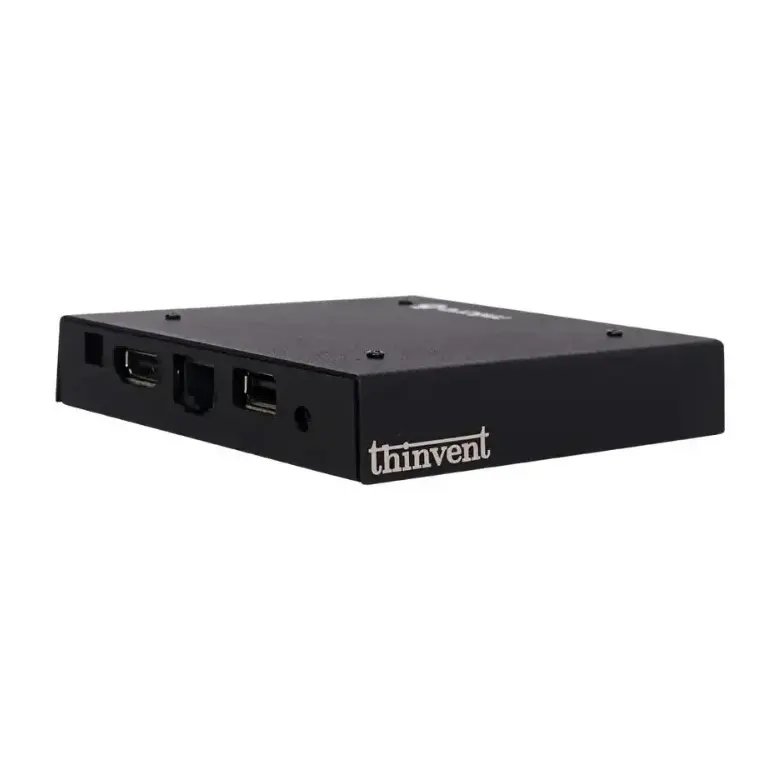
What Are the Slimmest Desktop Computers?
The slimmest desktop computers are compact, space-saving systems designed to deliver full computing functionality with a minimal physical footprint. These devices, often called mini PCs or ultra-compact form factors, prioritize a small chassis profile—sometimes as thin as a few centimeters—while housing modern processors, memory, and storage. They are engineered for environments where space is at a premium, offering a powerful alternative to bulky traditional towers without sacrificing core performance for everyday tasks and specialized applications.
Key Specifications and Design
Slim desktop computers are characterized by their ultra-compact dimensions, typically measured in liters or millimeters of thickness. They utilize low-power, efficient processors from Intel's N-series or mobile-oriented Core series, which generate minimal heat, enabling fanless or near-silent operation. Common specifications include DDR4 or DDR5 RAM (often 8GB to 16GB), SSD storage (128GB to 1TB) for fast boot times, and a rich set of I/O ports like HDMI, USB 3.2, and Ethernet—all packed into a chassis that can be mounted behind a monitor or tucked away discreetly. Their power efficiency also translates to lower operational costs and heat output.
Ideal Use Cases and Applications
The primary advantage of a slim desktop is its versatility in space-constrained settings. They are perfect for digital signage in retail, point-of-sale (POS) systems, kiosks, and reception areas. In office environments, they enable clean, cable-free desks and are ideal for hot-desking or multi-monitor trading setups. Their reliability and fanless designs make them suitable for industrial control systems, healthcare (like nurse stations), and embedded applications where dust and noise are concerns. For home users, they serve as media centers, compact workstations, or secondary computers.
Comparing Slim Desktop Form Factors
While "slim desktop" often refers to mini PCs, other form factors also offer space-saving benefits. Below is a comparison of common compact computer types:
| Form Factor | Typical Thickness/Size | Best For | Key Features |
|---|---|---|---|
| Mini PC | 20-50mm thin, <1L volume | General computing, digital signage, office use | Ultra-compact, VESA-mountable, low power |
| Thin Client | Similar to mini PC | Virtual desktop infrastructure (VDI), remote work | Streamlined OS, often diskless, managed centrally |
| All-in-One (AIO) | Screen-integrated, slim bezel | Reception desks, retail, sleek office setups | Integrated display, minimal cables, space-efficient |
| Industrial Panel PC | Varies, often ruggedized | Factory floors, kiosks, harsh environments | Touchscreen, durable, wide operating temperature |
Thinvent's Range of Slim Desktop Solutions
Thinvent specializes in manufacturing robust, ultra-slim industrial computers that excel in demanding environments. Our Aero series of mini PCs, for example, epitomizes the slim desktop category with their remarkably compact chassis, fanless cooling for silent operation, and support for modern Intel processors. Built for 24/7 reliability, these systems are ideal for digital signage, IoT gateways, and edge computing. We offer a variety of configurations with different operating systems, memory, and storage options to match specific application needs, ensuring you get a powerful, space-saving computer without compromise.