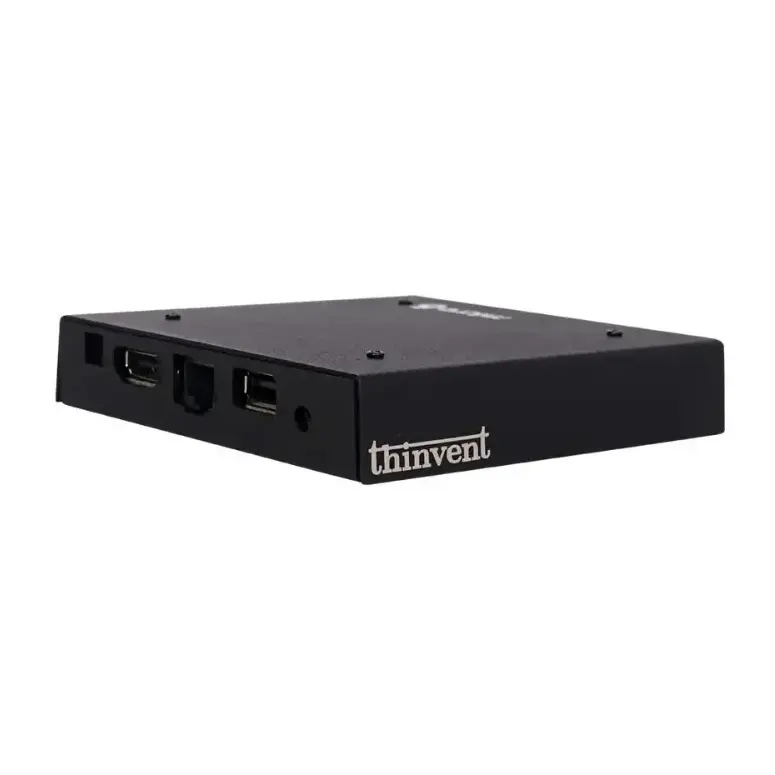
Compact mini PCs, often referred to as small form factor (SFF) computers, are engineered to deliver full computing functionality in a minimal footprint, making them ideal for space-constrained industrial and embedded environments. Unlike standard desktop towers, these systems prioritize reliability, low power consumption, and robust connectivity in a fanless or actively cooled chassis. They serve as powerful alternatives to single-board computers like the Raspberry Pi, offering greater performance, expandability, and commercial-grade durability for professional deployments.
Key Specifications and Technical Details
Industrial mini PCs are defined by several critical specifications. The processor is a primary differentiator, with options ranging from ultra-efficient ARM-based CPUs (like Cortex A53/A55) for lightweight tasks to powerful Intel Core i-series and N-series processors (such as the i3-1215U, i5-1240P, or N100) for more demanding applications. Memory typically ranges from 2GB to 16GB+, while storage options include eMMC, SATA SSDs, and NVMe drives from 16GB to 1TB. A hallmark of these systems is their extensive I/O, featuring multiple Ethernet ports (often Gigabit), USB 3.2/Type-C, HDMI/DisplayPort outputs, and serial ports (COM) for legacy industrial equipment. Many models operate fanlessly, using passive heatsinks to ensure silent, dust-resistant operation in harsh conditions.
Use Cases and Applications
The compact size and rugged design of these mini PCs make them suitable for a vast array of applications. In industrial automation, they control machinery, act as HMIs (Human-Machine Interfaces), and manage PLCs. For digital signage and kiosks, they drive multiple high-definition displays reliably 24/7. In transportation and smart city infrastructure, they are deployed in vehicle telematics, ticketing systems, and surveillance. They are also perfect for edge computing nodes, IoT gateways, and thin client solutions in enterprise and retail environments, where centralized management and low maintenance are paramount.
Comparison: ARM vs. Intel-Based Mini PCs
| Feature | ARM-Based Mini PCs (e.g., Cortex A55) | Intel-Based Mini PCs (e.g., N100, Core i3/i5) |
|---|---|---|
| Primary Use | Lightweight embedded OS, thin clients, kiosks, basic IoT gateways. | General-purpose computing, industrial automation, edge servers, digital signage. |
| Power Consumption | Very Low (often 5-10W). | Low to Moderate (10-28W for N-series, higher for Core). |
| Performance | Sufficient for basic tasks and lightweight Linux distributions. | Significantly higher, suitable for Windows/Linux, multi-tasking, and heavier workloads. |
| Software Ecosystem | Primarily Linux/Android. Limited Windows support. | Broad support for Windows, Linux, and real-time operating systems. |
| I/O & Expandability | Basic ports (HDMI, USB, Ethernet). | More extensive I/O, often with expansion slots (M.2, mini-PCIe). |
| Typical Cost | Lower. | Higher, with a wider performance range. |
Thinvent Compact Mini PCs for Industrial Use
Thinvent offers a comprehensive range of compact mini PCs designed for demanding industrial and embedded applications. Our product lines cater to diverse performance needs. The Micro Series features ultra-efficient ARM processors, perfect for lightweight, fanless thin client and kiosk duties. The Treo and IPC Series utilize Intel's efficient N-series processors (like the N100) for a balance of performance and low power consumption. For high-performance computing at the edge, the Aero and IPC Series are equipped with Intel Core i3, i5, and i7 processors from the 12th and 14th generations, providing the muscle needed for complex automation, vision systems, and data processing. All Thinvent mini PCs are built for reliability, with wide operating temperature ranges, robust metal enclosures, and flexible mounting options to integrate seamlessly into your industrial ecosystem.