What Are Small Gadgets in Computing?
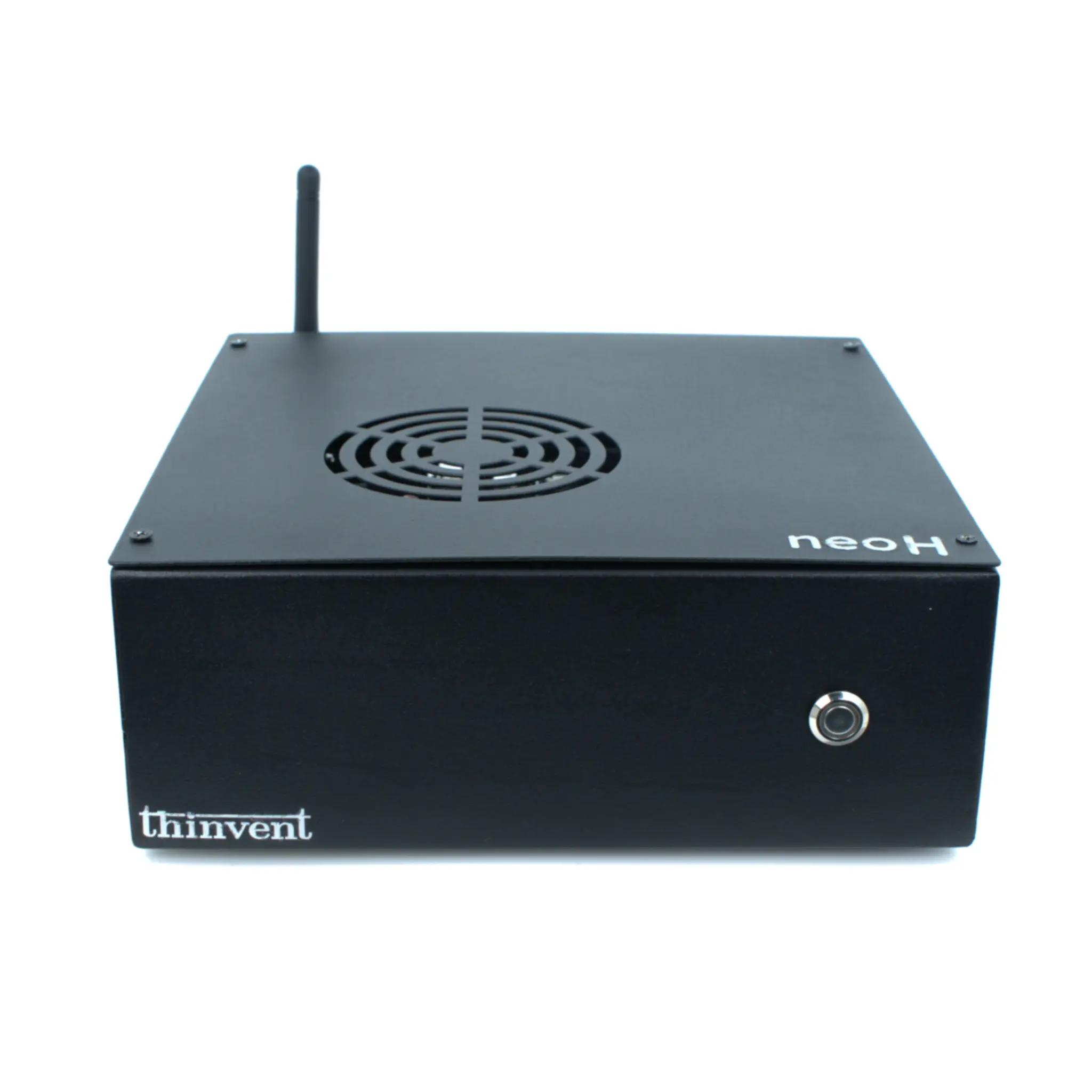
In the context of industrial computing, "small gadgets" typically refer to compact, low-profile computing devices designed for environments where space, power consumption, and thermal management are critical constraints. These are not consumer electronics but robust, fanless systems built for 24/7 operation in demanding settings like digital signage, kiosks, IoT gateways, and embedded control systems. Their small form factor allows for versatile mounting options—behind monitors, under desks, or within machinery—without sacrificing core computing functionality.
Key Specifications and Technical Details
These compact computers prioritize efficiency and reliability. Common specifications include low-power Intel processors (like the N-series), which generate minimal heat, enabling completely silent, fanless operation. They typically feature soldered RAM (e.g., 8GB or 16GB LPDDR4/5) and M.2 SSD storage for fast boot times and data access. Connectivity is robust, with multiple Gigabit Ethernet ports, USB 3.2 Gen 2 ports, HDMI/DisplayPort outputs, and often support for Wi-Fi 6 and Bluetooth. Their power input is usually a single 12V DC jack, making them compatible with a wide range of industrial power supplies. The absence of moving parts (fans, hard drives) significantly enhances their mean time between failures (MTBF), a crucial factor for industrial deployments.
Use Cases and Applications
The applications for these small-form-factor industrial PCs are vast. They are ideal for Digital Signage and Kiosks, where their silent operation and small size are perfect for wall-mounted displays. In Industrial Automation, they serve as PLCs or HMIs, controlling machinery on the factory floor. As IoT Edge Gateways, they collect, process, and transmit data from sensors in smart buildings or agriculture. They are also excellent for Thin Client/VDI setups in offices, Network Appliances (firewalls, routers), and In-Vehicle Computing for public transportation or logistics, thanks to their wide operating temperature ranges and resistance to vibration.
Comparison of Compact Form Factors
| Feature | Mini PC (e.g., Thin Client) | Industrial Panel PC | Embedded Box PC |
|---|---|---|---|
| Primary Use | Office/VDI, Digital Signage | Human-Machine Interface (HMI) | Rugged IoT Gateway, Automation |
| Typical Mounting | VESA, Desk | Panel Mount, Arm | DIN Rail, Wall |
| Display | External Required | Integrated Touchscreen | External Required |
| Ruggedness | Standard | High (Front IP65 common) | High (Wide temp, shock/vibe resistant) |
| I/O Expansion | Limited | Moderate | Extensive (via PCIe, GPIO) |
| Best For | Space-saving general computing | Interactive control stations | Harsh environment data processing |
Thinvent's Range of Compact Industrial Computers
Thinvent specializes in manufacturing a diverse lineup of these powerful "small gadgets" for global industrial applications. Our product families include the Aero Series of ultra-compact Mini PCs, perfect for digital signage and office productivity, and robust Industrial Panel PCs with integrated touchscreens for factory automation. We also offer Fanless Embedded Systems designed for 24/7 operation in challenging environments, featuring wide voltage input and extended temperature ranges. Every Thinvent device is built with industrial-grade components, undergoes rigorous testing, and is supported by our global technical team to ensure reliability in your specific application, from a retail kiosk to a manufacturing cell.