What Is a System Unit?
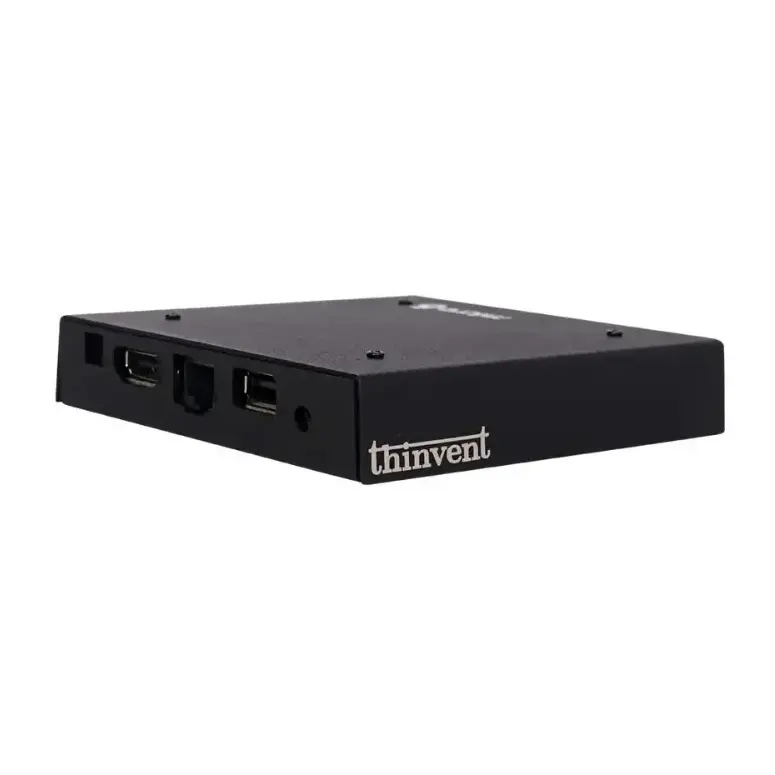
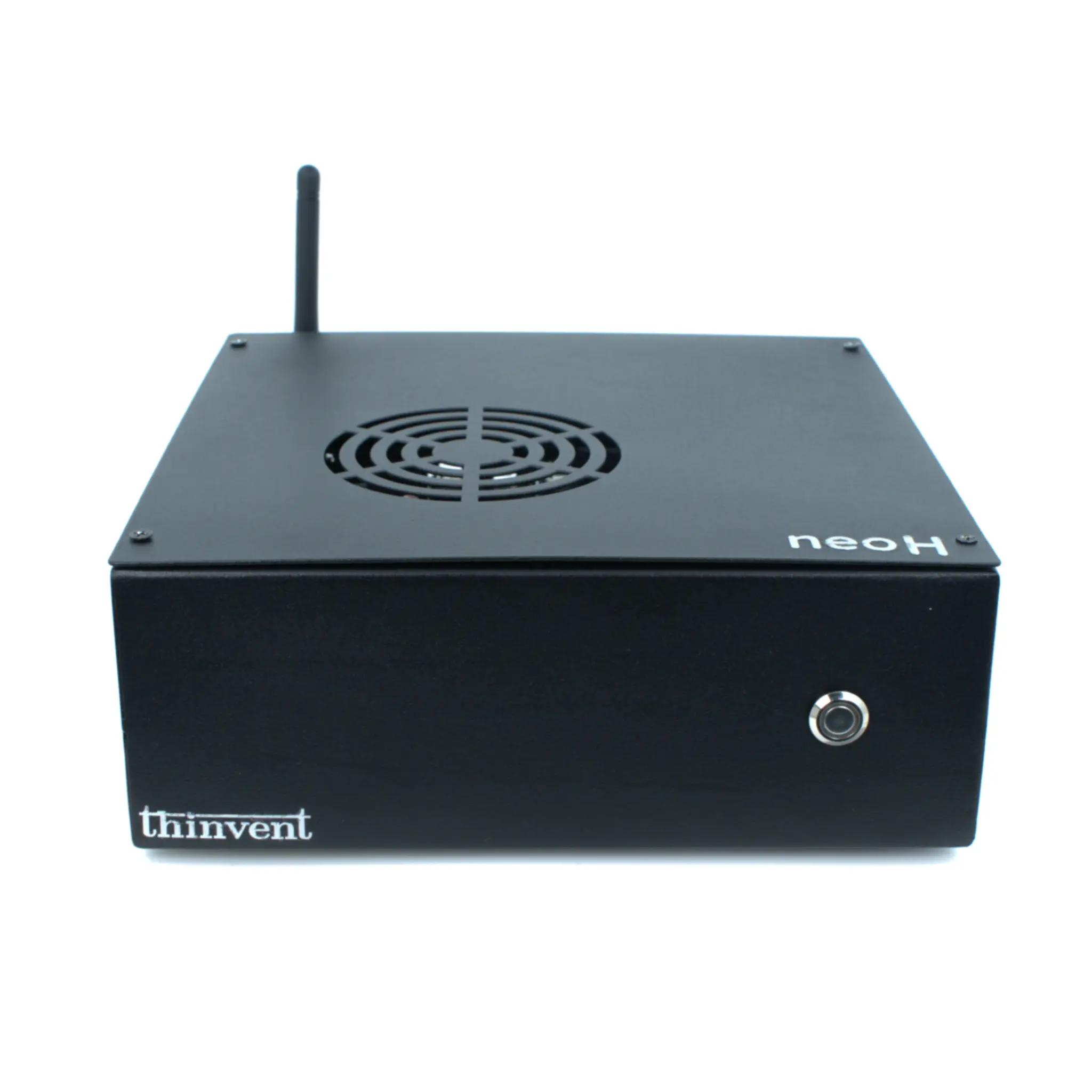
The system unit, often called the computer case or chassis, is the main enclosure that houses the core components of a computer. It contains the motherboard, central processing unit (CPU), memory (RAM), storage drives, power supply, and cooling system. In industrial and commercial applications, the system unit is engineered for reliability, durability, and performance in demanding environments, often featuring fanless designs, wide operating temperature ranges, and robust connectivity.
Key Specifications and Technical Details
Modern industrial system units prioritize compact form factors, efficient power consumption, and silent operation. Key specifications to consider include:
-
Processor: Ranges from efficient Intel Celeron and N-series chips for basic tasks to powerful Intel Core i3, i5, and i7 processors for demanding applications.
-
Memory (RAM): Typically from 4GB to 64GB DDR4 or DDR5, supporting multitasking and data processing.
-
Storage: Solid State Drives (SSDs) from 128GB to 2TB offer fast boot times, quick data access, and shock resistance.
-
Connectivity: Multiple Gigabit Ethernet ports, USB 3.2/4.0, HDMI/DisplayPort outputs, and serial ports (COM) for industrial peripherals.
-
Design: Fanless cooling eliminates dust ingress and mechanical failure points, while rugged metal casings provide EMI shielding and physical protection.
Applications and Use Cases
Industrial system units are deployed in environments where standard desktop PCs would fail. Common applications include:
-
Digital Signage & Kiosks: Powering interactive displays in retail, hospitality, and public spaces.
-
Factory Automation: Acting as a controller for PLCs, HMIs, and machine vision systems on the factory floor.
-
Thin Client & VDI: Serving as a secure endpoint for accessing virtualized desktop environments.
-
Edge Computing: Processing data locally in IoT networks for transportation, smart cities, and energy management.
-
Medical & Laboratory Equipment: Providing stable computing power in sensitive clinical environments.
Comparison of Common System Unit Form Factors
| Form Factor | Typical Use Case | Key Advantages | Considerations |
|---|---|---|---|
| Mini PC / System-on-Module | Space-constrained deployments, embedded systems | Ultra-compact, low power, fanless, easy to mount | Limited expansion slots |
| Thin Client | Virtual Desktop Infrastructure (VDI), secure terminals | Highly secure, centrally managed, low TCO | Dependent on network/server |
| All-in-One Panel PC | Human-Machine Interface (HMI), interactive kiosks | Integrated display, clean installation, reduced cabling | Fixed display size |
| Rackmount Industrial PC | Data centers, telecom, server applications | High expandability, scalable, robust cooling | Requires rack infrastructure |
Thinvent Industrial System Units
Thinvent specializes in manufacturing reliable, fanless industrial system units built for 24/7 operation. Our product range includes compact Mini PCs powered by efficient Intel processors, robust Thin Clients for secure VDI, and versatile All-in-One Panel PCs with integrated touchscreens. Every unit is designed with industrial-grade components, wide voltage input support, and extensive connectivity options to ensure seamless integration into your commercial or industrial application, from digital signage and retail POS to factory automation and edge computing solutions.