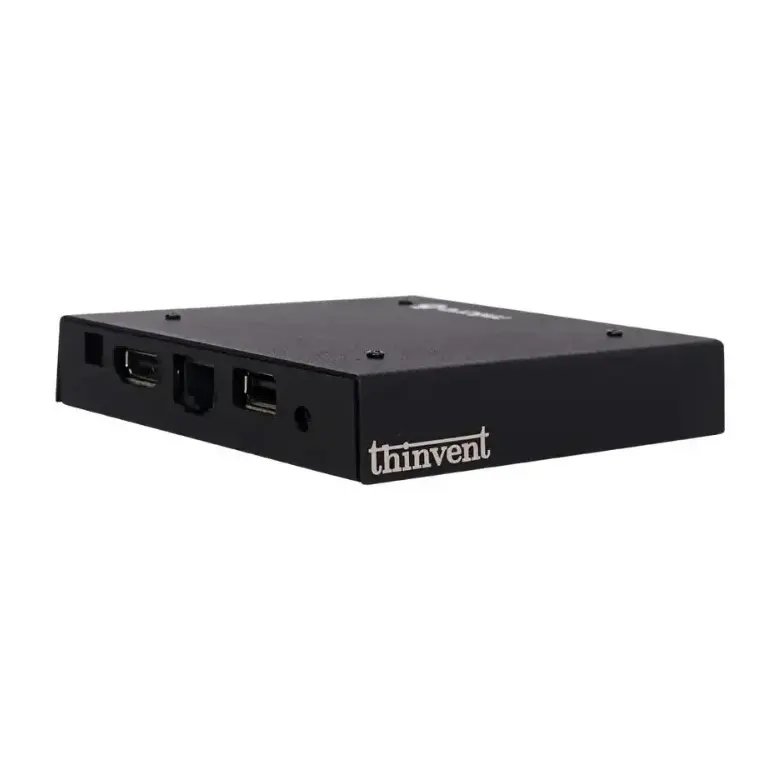
Apple Thin Client اور pfSense فائر وال
"Apple Thin Client" کی اصطلاح اکثر macOS یا Apple کے سافٹ ویئر سے منسلک ہوتی ہے، لیکن pfSense جیسے آزاد سافٹ ویئر فائر والز کے لیے، یہ عام طور پر x86/64 ہارڈ ویئر پر چلتے ہیں جو Apple کے نہیں ہوتے۔ pfSense ایک طاقتور، اوپن سورس فائر وال/روٹر سافٹ ویئر ہے جسے چلانے کے لیے ایک قابل اعتماد، کم طاقت والے اور کم شور والے ہارڈ ویئر کی ضرورت ہوتی ہے۔ اس مقصد کے لیے فین لیس تھن کلائنٹس ایک مثالی انتخاب ہیں۔
فین لیس تھن کلائنٹس کے فوائد
فین لیس ڈیزائن کا مطلب ہے کوئی متحرک پرزے نہیں، جس سے مکمل خاموش آپریشن، دھول کے خلاف بہتر مزاحمت، اور کم دیکھ بھال کی ضرورت ہوتی ہے۔ یہ خصوصیات انہیں 24/7 چلنے والے نیٹ ورک انفراسٹرکچر جیسے کہ فائر والز، VPN گیٹ ویز، اور پروکسی سرورز کے لیے بہترین بناتی ہیں۔ ان کی کم بجلی کی کھپت (اکثر 12-25 واٹ) آپریشنل لاگت کو کم کرتی ہے اور انہیں چھوٹے دفتری ماحول یا دور دراز ڈیپلائمنٹ کے لیے موزوں بناتی ہے۔
pfSense ڈیپلائمنٹ کے لیے کلیدی خصوصیات
pfSense کو مؤثر طریقے سے چلانے کے لیے، ہارڈ ویئر میں کچھ مخصوص خصوصیات کی ضرورت ہوتی ہے:
-
پراسیسر: ایک جدید، توانائی سے موثر x86 پراسیسر جیسے Intel N100 (4 کور، 3.4 GHz تک)۔
-
RAM: کم از کم 4-8 GB RAM، تاہم پیچیدہ قواعد یا VPN کے استعمال کے لیے 16 GB بہتر ہے۔
-
اسٹوریج: ایک مستحکم SSD (جیسے 128 GB) تیز بوٹ اور سسٹم کی پائیداری کے لیے۔
-
نیٹ ورکنگ: کم از کم دو گیگابٹ ایتھرنیٹ پورٹس (WAN اور LAN کے لیے)، زیادہ اعلی درجے کی ڈیپلائمنٹ کے لیے بہتر ہے۔
-
آپریٹنگ سسٹم: pfSense FreeBSD پر مبنی ہے، اس لیے ہارڈ ویئر کو اس کے ساتھ مطابقت پذیر ہونا چاہیے۔
مندرجہ ذیل جدول pfSense ڈیپلائمنٹ کے لیے ایک عام فین لیس تھن کلائنٹ کنفیگریشن کی نمائندگی کرتا ہے:
| خصوصیت | سفارش کردہ کنفیگریشن |
|---|---|
| پراسیسر | Intel N100 (4 کور، 3.4 GHz تک) |
| RAM | 16 GB DDR4 |
| اسٹوریج | 128 GB SSD |
| نیٹ ورک پورٹس | 2x یا زیادہ گیگابٹ ایتھرنیٹ |
| کولنگ | فین لیس، پسیو کولنگ |
| پاور | 12V DC، ~25 واٹ کھپت |
| آپریٹنگ سسٹم | DOS یا Linux (pfSense انسٹال کرنے کے لیے) |
استعمال کے حالات اور اطلاقات
فین لیس تھن کلائنٹس پر مبنی pfSense فائر والز مختلف ماحولوں میں استعمال ہوتے ہیں:
- **چھوٹے سے درمیانے