What Are Industrial IoT Computers?
Industrial IoT (Internet of Things) computers are specialized, ruggedized computing systems designed to operate reliably in demanding environments at the edge of networks. They serve as the central processing hubs for IoT ecosystems, collecting, processing, and transmitting data from sensors and devices. Unlike consumer-grade hardware, these systems are built for 24/7 operation, wide temperature tolerance, and often feature fanless, sealed designs for dust and vibration resistance.
Key Specifications for IoT Deployment
Selecting the right industrial computer for IoT requires careful consideration of several technical factors. Processing power must be sufficient for local data analytics, often provided by efficient, low-power Intel processors like the N-series. Adequate RAM (typically 8GB to 16GB) ensures smooth operation of gateway software and lightweight operating systems. Storage is often modest (128GB-256GB SSDs) as data is frequently streamed to the cloud. Critical connectivity includes multiple Gigabit Ethernet ports for network sensors, USB for peripherals, and optional wireless modules (Wi-Fi, 4G/5G). The hallmark of these devices is their ruggedness: fanless cooling, wide voltage input (e.g., 9-36V DC), and operation in extended temperature ranges (-20°C to 60°C).
Applications and Use Cases
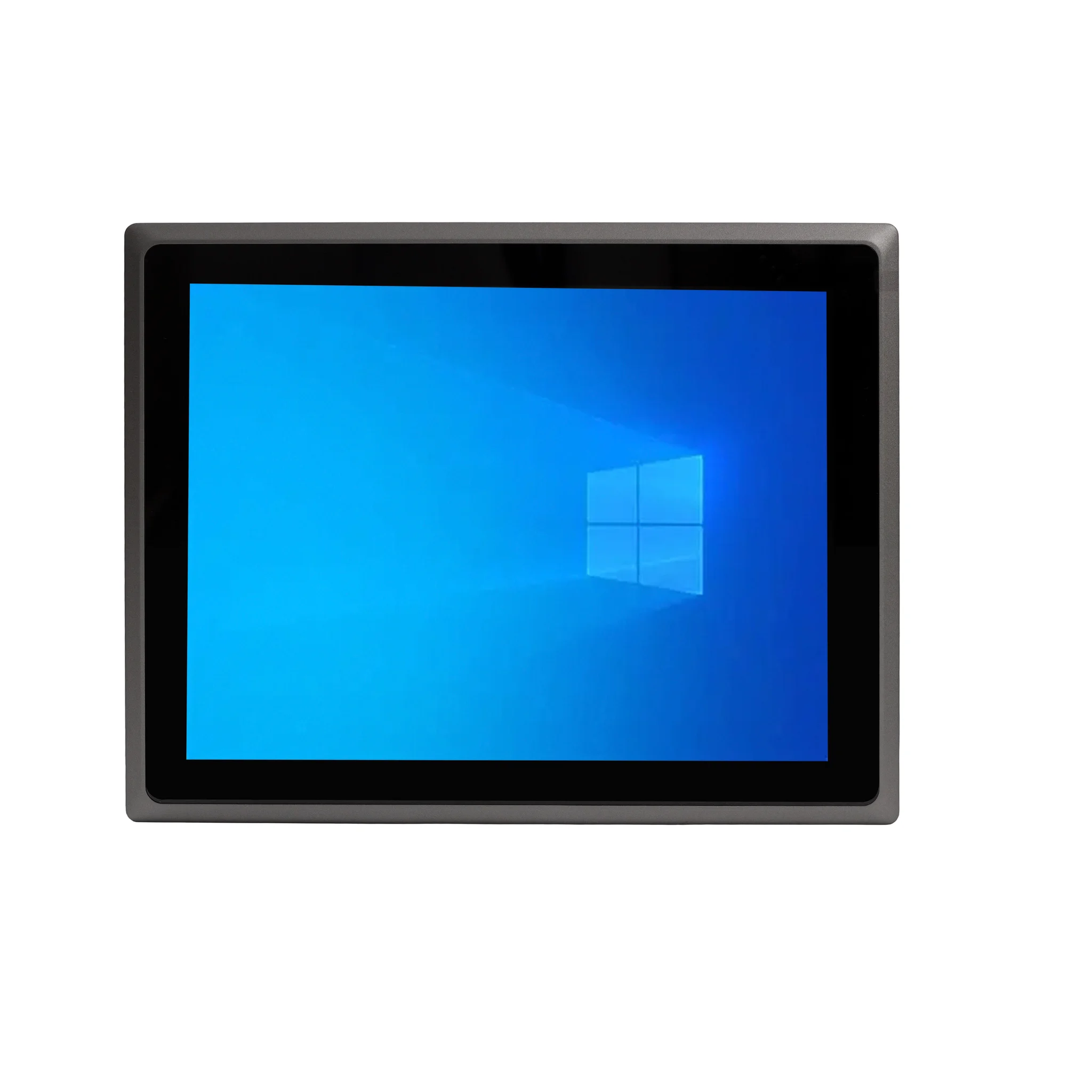
Industrial IoT computers are deployed across numerous sectors to enable automation and data intelligence. In manufacturing, they power machine vision for quality control, monitor production lines, and manage predictive maintenance. In smart cities, they control digital signage, traffic management systems, and environmental sensors. Retail uses them for interactive kiosks and inventory management. In agriculture and energy, they serve as gateways in remote monitoring stations for irrigation, solar farms, or oil pipelines, where reliability in harsh conditions is paramount.
Operating Systems for IoT
The choice of operating system is crucial for IoT stability and security. Common options include:
-
Windows 11 IoT Enterprise: A locked-down, long-term servicing version of Windows for managed devices requiring a familiar interface.
-
Linux Distributions (Ubuntu, Thinux™): Highly customizable, lightweight, and secure, ideal for headless operations and containerized applications.
-
Without OS / FreeDOS: Provides maximum flexibility for developers to install a custom, minimal OS tailored to a specific application.
Thinvent's Industrial IoT Solutions
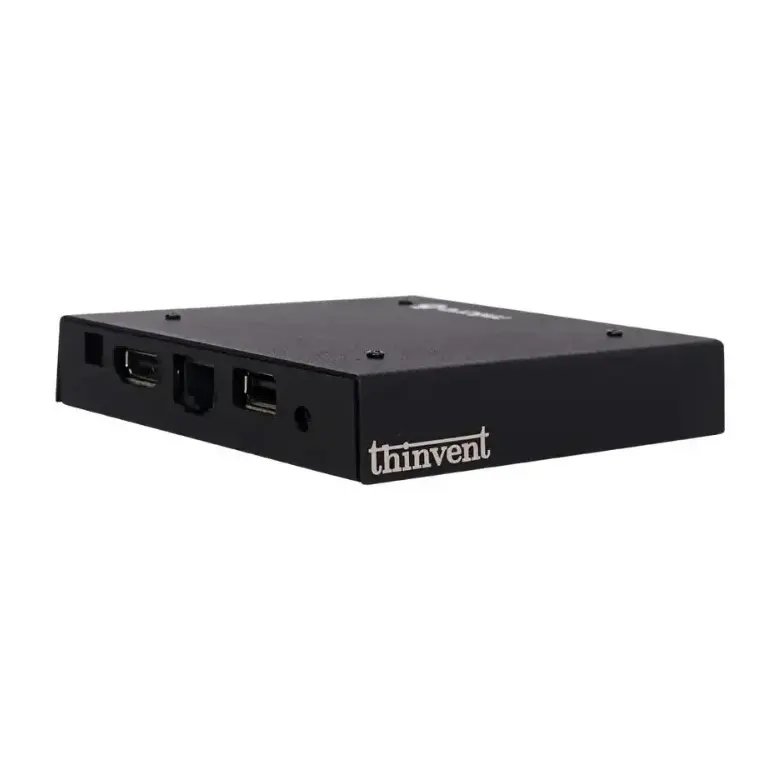
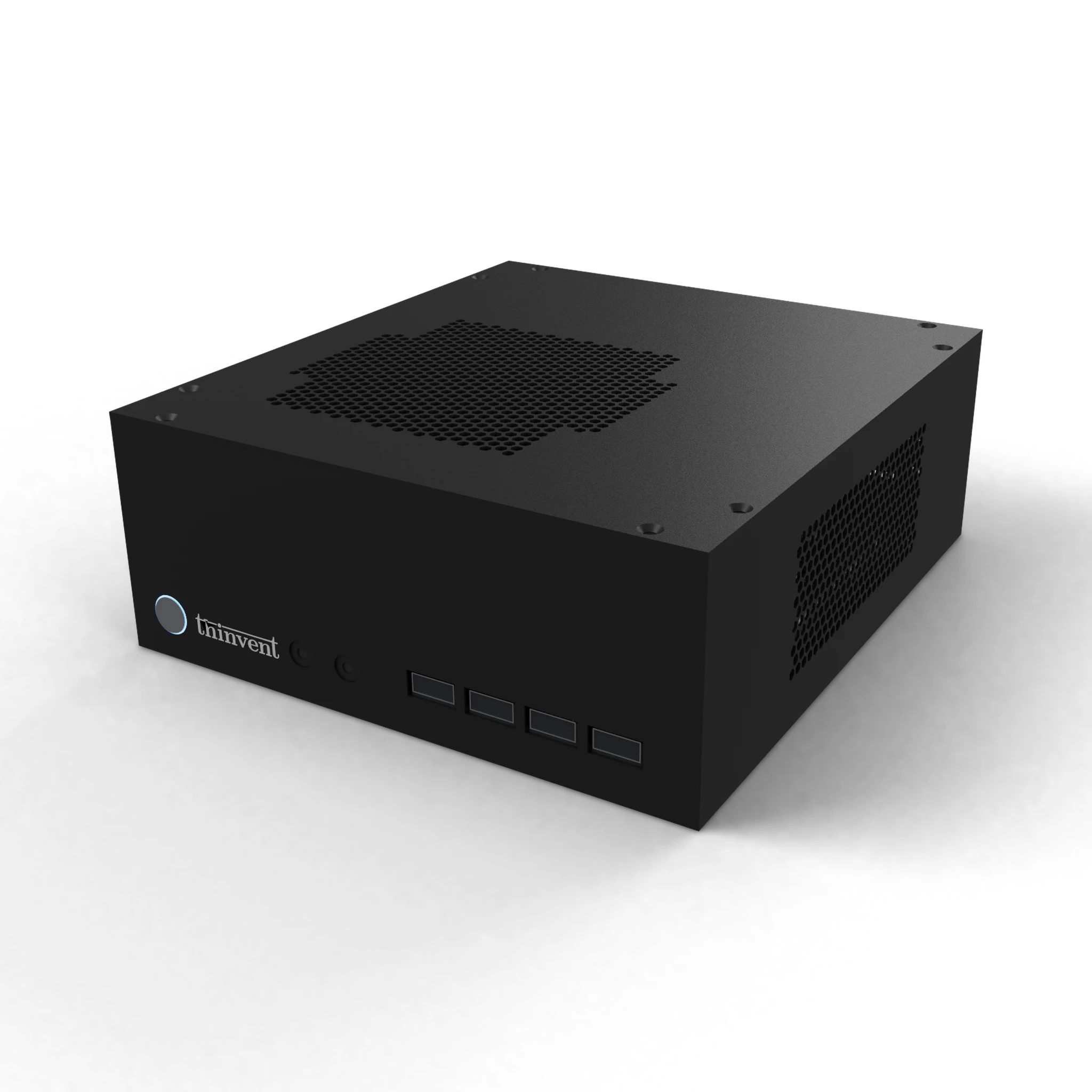
Thinvent offers a robust range of industrial computers engineered for IoT and edge computing challenges. Our product lines, such as the Aero Mini PC series, exemplify the core principles of IoT hardware: compact form factors, energy-efficient Intel processors, and versatile OS support. Built for durability, these fanless systems ensure silent and reliable operation in controlled or light-industrial settings. Thinvent devices provide the essential connectivity, processing power, and ruggedness required to build a resilient and scalable IoT infrastructure, from smart kiosks and digital signage to industrial automation gateways.