What is a Touch Computer?
A touch computer is a computing device designed with an integrated touchscreen interface, allowing users to interact directly with the display. Unlike traditional desktops, these systems are often built for specific environments where space is limited, durability is required, or direct human-machine interaction is essential. They combine processing power, display, and input into a single, cohesive unit, streamlining operations in various professional and industrial settings.
Key Specifications and Technical Details
Modern touch computers are defined by several core specifications that determine their suitability for different tasks. The processor is a critical component, with options ranging from efficient Intel N-series CPUs for basic tasks to more powerful Core i-series processors for demanding applications. Memory (RAM) typically starts at 8GB for light use and scales to 32GB or more for complex operations. Storage is usually provided by solid-state drives (SSDs) for reliability and speed, with capacities from 128GB to 1TB. The touchscreen itself is a defining feature, with common sizes being 21.5" or 23.8" and utilizing capacitive or projective capacitive (PCAP) technology for responsive, multi-touch input. These systems are often fanless for silent, reliable operation in dusty environments and feature robust I/O like Gigabit Ethernet, USB 3.2, and HDMI ports for connectivity.
Use Cases and Applications
Touch computers are indispensable in environments where traditional keyboards and mice are impractical. In industrial automation, they serve as Human-Machine Interfaces (HMIs) for controlling machinery and monitoring production lines. In the retail and hospitality sectors, they power Point-of-Sale (POS) systems and self-service kiosks. Digital signage and interactive information displays in public spaces rely on their durability and intuitive interface. Healthcare facilities use them for patient check-in stations and accessing medical records, while logistics and warehouse management utilize them for inventory tracking and order fulfillment due to their ruggedness and portability.
Comparison of Touch Computer Form Factors
| Feature | All-in-One Touch PC | Panel PC | Rugged Tablet |
|---|---|---|---|
| Typical Use | Office, Retail, Kiosks | Industrial Control, HMI | Field Service, Logistics |
| Mounting | Desktop, VESA arm | Panel-mount, DIN rail | Handheld, Vehicle mount |
| Durability | Standard | High (IP65 rated common) | Very High (MIL-STD, IP67) |
| Screen Size | 21.5" to 24" | 10" to 21.5" | 7" to 15.6" |
| Processing Power | Consumer to Workstation | Industrial-grade, Fanless | Mobile, Fanless |
| Primary Benefit | Integrated, Space-saving | Built for harsh environments | Ultimate portability & toughness |
Thinvent Touch Computer Solutions
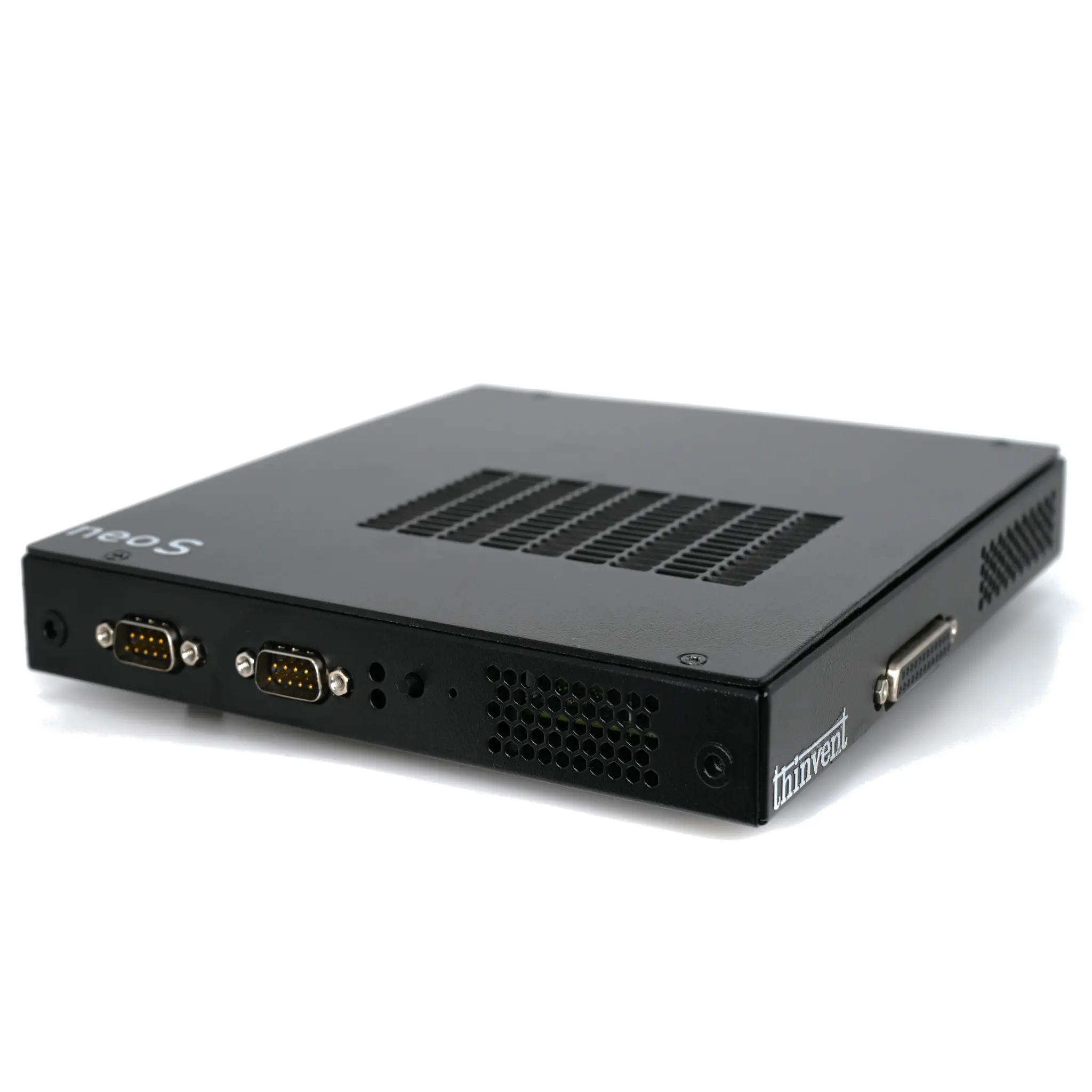
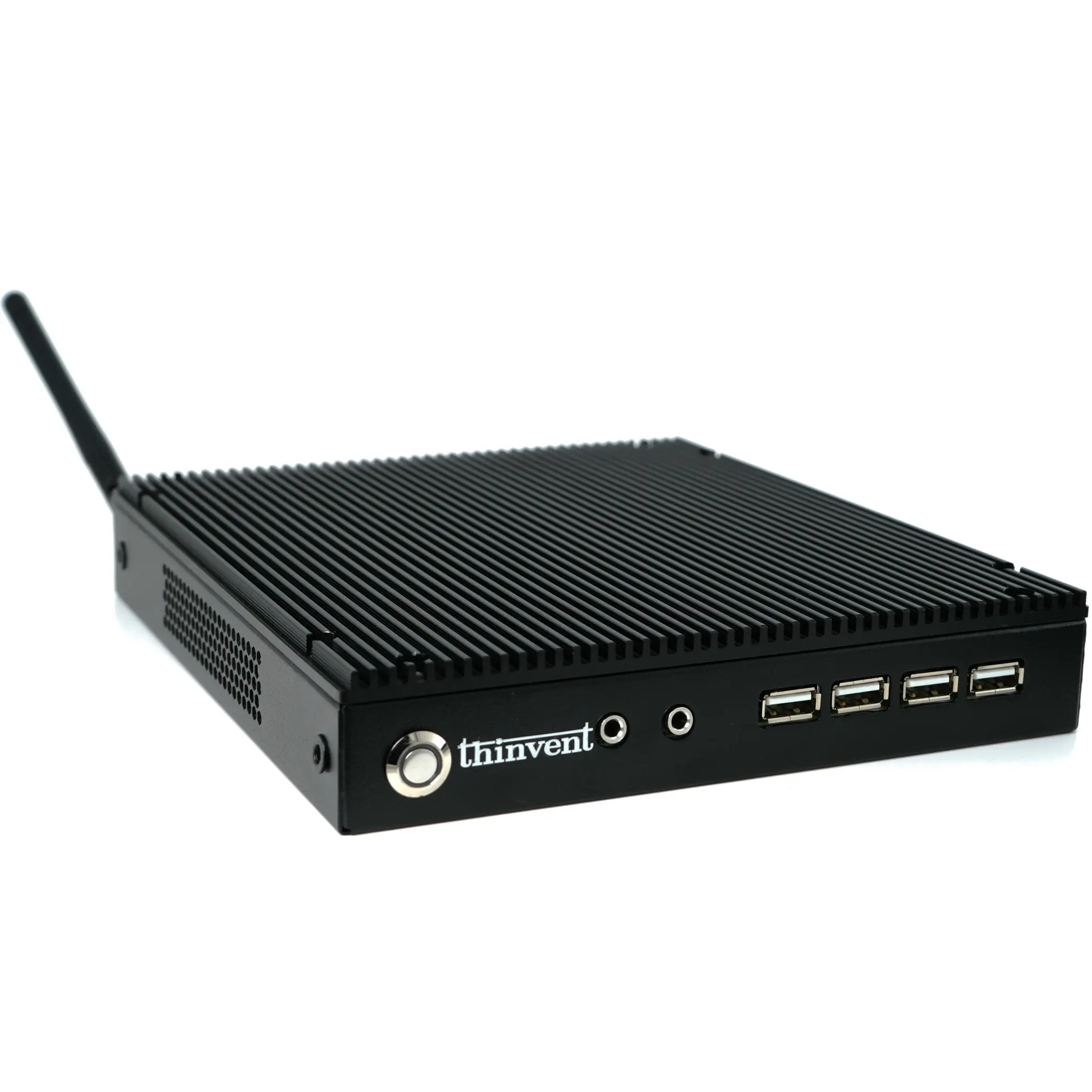
Thinvent offers a range of reliable touch-enabled computing solutions built for 24/7 operation. Our product lines include compact All-in-One PCs with sleek, space-saving designs ideal for retail and office environments, as well as robust Industrial Panel PCs engineered for demanding factory floors and outdoor kiosks. Featuring fanless cooling for silent and maintenance-free operation, these systems are powered by efficient Intel processors and come with a variety of operating system options, including Windows, Linux, and our custom Thinux™ embedded platform. Designed for global deployment, Thinvent touch computers provide the durability, performance, and intuitive interface required for modern interactive applications.