What is a Tower Desktop Computer?
A tower desktop computer is a traditional, vertically-oriented PC chassis designed for expandability, cooling, and robust performance. Unlike compact or all-in-one systems, the tower form factor provides ample internal space for additional components such as graphics cards, multiple storage drives, and expansion cards. This makes it an ideal choice for demanding industrial applications, server roles, and workstations where performance and customization are priorities.
Key Specifications and Technical Details
Industrial tower PCs are built with durability and long-term reliability in mind. Key specifications often include:
-
Processor: Options range from efficient Intel Celeron and N-series CPUs for basic tasks to powerful Intel Core i3, i5, and i7 processors for compute-intensive workloads.
-
Memory: Configurations typically start at 8GB RAM, scaling up to 64GB or more to handle complex applications and multitasking.
-
Storage: They support multiple drives, including SATA SSDs for fast boot times and HDDs for high-capacity data storage, often in RAID configurations for data redundancy.
-
Expansion: Multiple PCIe slots allow for adding specialized cards for networking, data acquisition, or GPU acceleration.
-
Connectivity: Equipped with numerous USB ports (including USB 3.2), multiple Ethernet ports for network redundancy, and display outputs like HDMI and DisplayPort.
-
Construction: Feature rugged, metal chassis with fan-based or advanced passive cooling systems to ensure stable operation in harsh environments with wide temperature ranges.
Applications and Use Cases
The inherent expandability and power of tower desktops make them suitable for a wide range of industrial and commercial settings:
-
Factory Automation: Controlling machinery, running SCADA/HMI systems, and data logging on the production floor.
-
Digital Signage & Kiosks: Powering multiple high-resolution displays in public spaces, retail environments, and transportation hubs.
-
Edge Computing & IoT Gateways: Processing data locally from sensors and devices before sending it to the cloud.
-
Network Appliances: Serving as firewalls, routers, or network-attached storage (NAS) solutions.
-
General Office & Lab Workstations: Providing a powerful and upgradeable platform for everyday computing, design, and development tasks.
Comparison: Tower vs. Other Form Factors
| Feature | Tower Desktop | Mini PC | Thin Client |
|---|---|---|---|
| Size & Footprint | Largest, requires dedicated space | Ultra-compact, mountable behind displays | Very small, often fanless |
| Performance & Power | Highest, supports powerful CPUs/GPUs | Good for general computing, limited graphics | Low, designed for remote desktop access |
| Expandability | Excellent (multiple PCIe, drive bays) | Very Limited (often soldered components) | None |
| Cooling | Active fans, supports high TDP components | Often fanless or small fans | Typically fanless |
| Ideal For | Heavy-duty computing, servers, customization | Space-constrained kiosks, digital signage, light office work | Virtual Desktop Infrastructure (VDI) endpoints |
Thinvent's Industrial Tower Computer Solutions
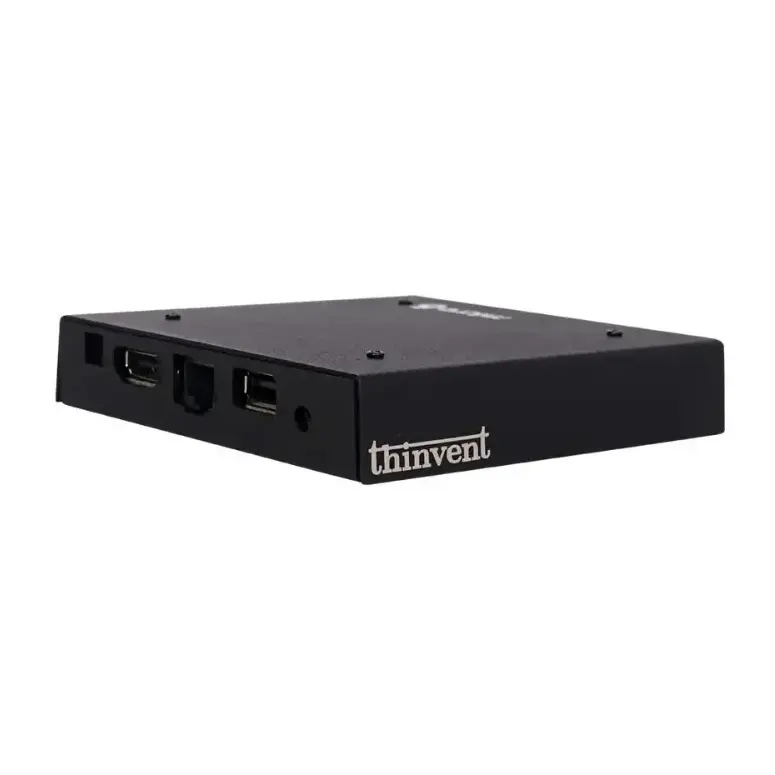
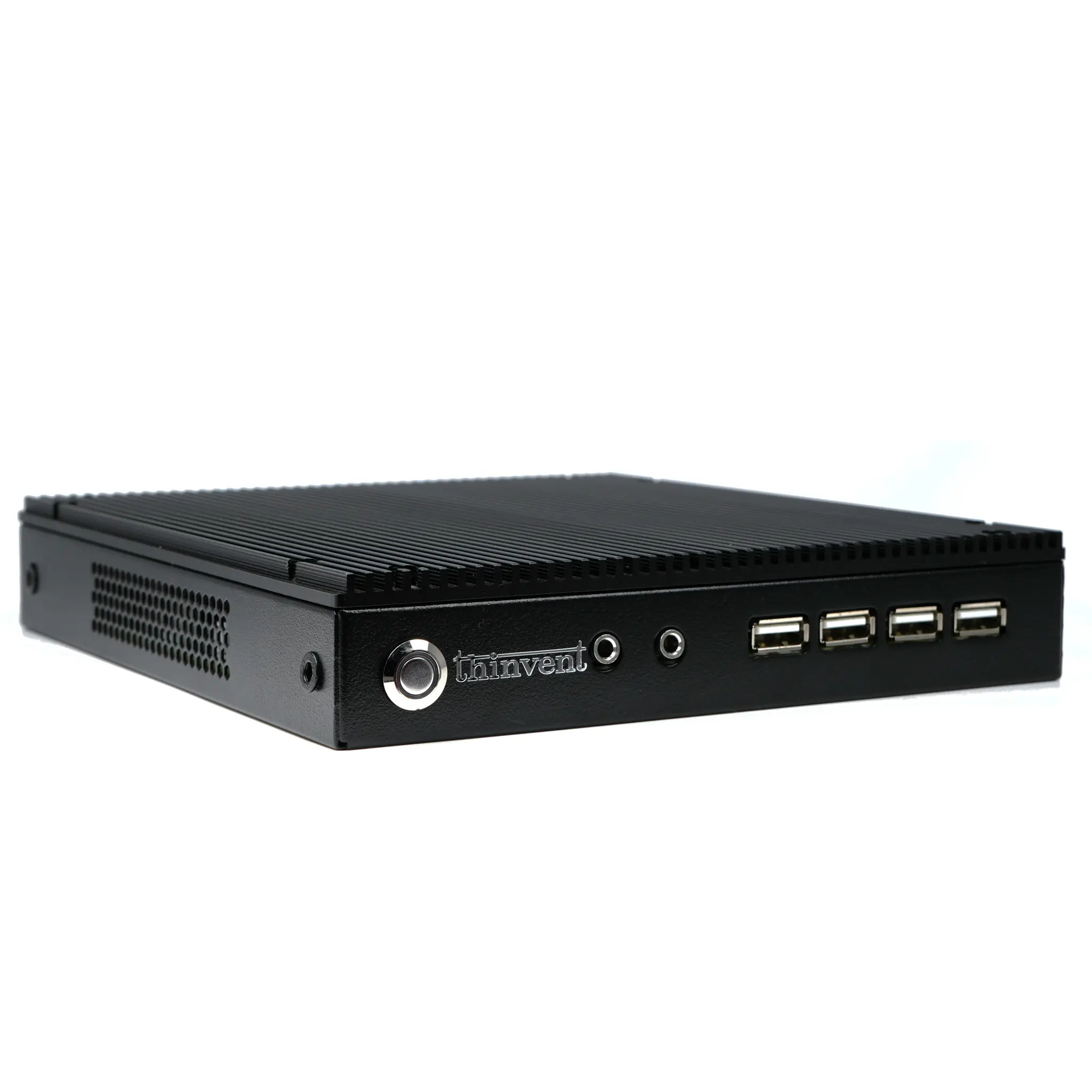
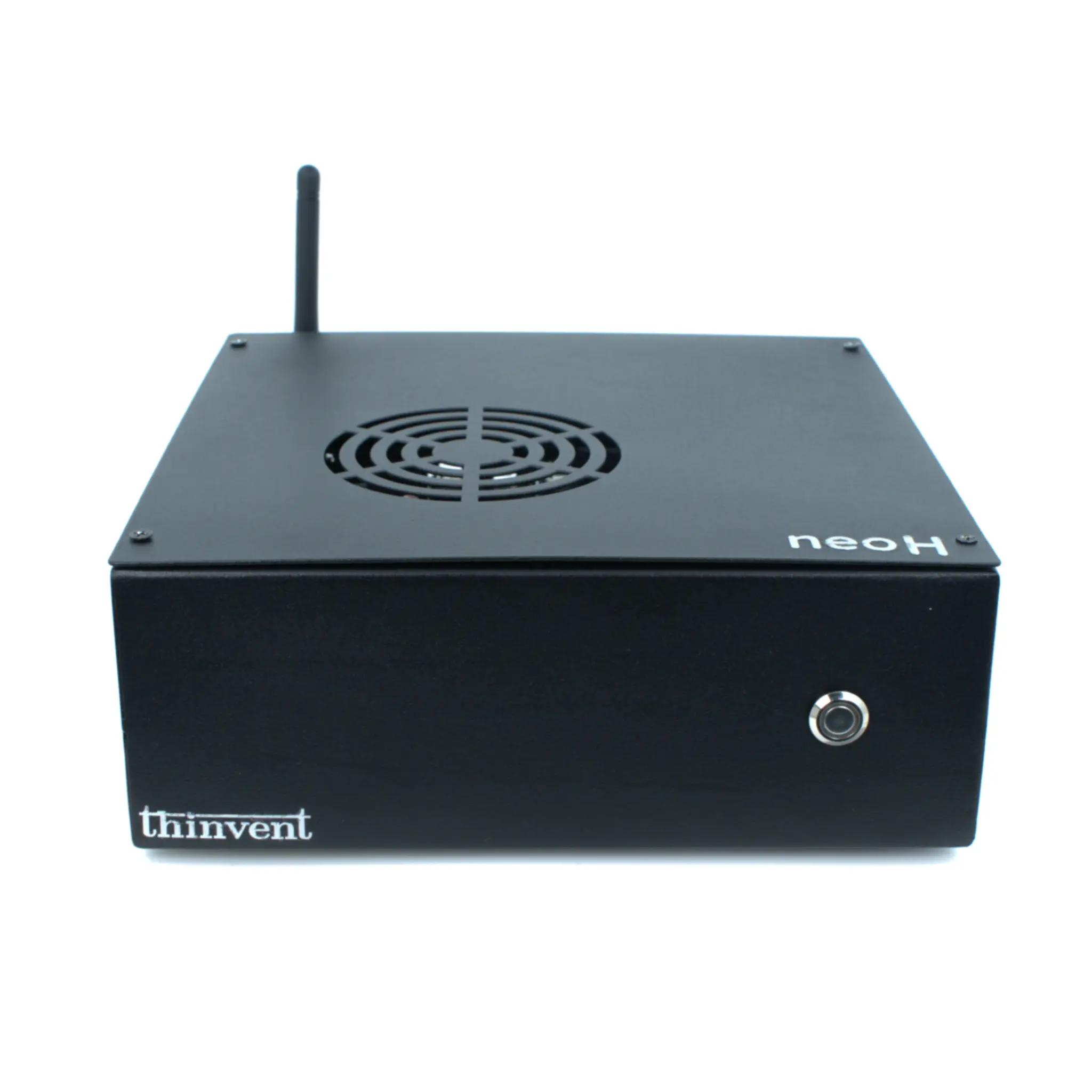
Thinvent offers a range of robust tower computers engineered for 24/7 operation in demanding conditions. Our towers combine the performance of modern Intel processors with industrial-grade components, ensuring reliability for critical applications. While our current showcased products highlight our versatile Aero Mini PC line, our tower solutions build upon the same commitment to quality, featuring enhanced expandability, superior thermal management, and a wider array of I/O options to meet specific project requirements. Explore our product portfolio to find a tower PC configured with the right balance of processing power, memory, storage, and connectivity for your industrial deployment.