What Are Universal Computers?
Universal computers are general-purpose computing systems designed to run a wide range of software and workloads without being locked into a single, narrow function. Unlike fixed-function controllers or single-purpose terminals, a universal computer can serve as a workstation, a data-logging node, a machine interface, a network gateway, or a point-of-sale controller — often within the same facility. This flexibility makes them a practical choice for organisations that need one dependable hardware platform across many different roles.
The key to true universality is a combination of standard interfaces, broad operating system support, and enough processing headroom to handle varied tasks. A universal computer typically offers multiple USB ports, HDMI and VGA or DisplayPort outputs, gigabit Ethernet, and serial (RS-232/DB9) connectivity for legacy industrial equipment. It should also support the operating systems that different applications demand, from Microsoft Windows 11 Pro and IoT editions to Linux distributions and DOS-based legacy software.
Core Specifications to Consider
When evaluating a universal computer, the processor, memory, and storage determine how many roles a single unit can realistically fill. Modern Intel® Core™ processors, such as the i3-1215U with 6 cores and up to 4.4 GHz, offer a strong balance of responsiveness and energy efficiency for multi-application use. Memory of 16 GB DDR4 and 1 TB of SSD storage give ample room for virtualisation, databases, and local caching.
| Feature | Typical Universal Computer | Why It Matters |
|---|---|---|
| Processor | Intel® Core™ i3 / i5, 12th–14th Gen | Handles multitasking and virtualisation |
| Cores / Frequency | 6 cores, up to 4.4 GHz | Fast response for interactive apps |
| Memory | 16 GB DDR4 (expandable) | Runs multiple applications at once |
| Storage | 256 GB – 1 TB SSD | Fast boot, reliable local data |
| Serial Ports | Up to 4x DB9 RS-232 | Connects PLCs, scales, instruments |
| Ethernet | Gigabit (1000 Mbps) | Reliable networking and SCADA |
| OS Support | Windows 11 Pro/IoT, Linux, DOS | Runs legacy and modern software |
Where Universal Computers Are Used
Because they are not tied to one task, universal computers appear across many industries. In manufacturing, they act as human-machine interfaces (HMIs), production-monitoring terminals, and CNC or PLC front-ends. In retail and hospitality, they serve as billing counters, inventory stations, and self-service kiosks. In logistics, they handle barcode scanning, dispatch terminals, and warehouse dashboards. Laboratories and healthcare facilities use them for instrument control, data acquisition, and record management.
The presence of multiple serial ports is especially important in industrial settings, where equipment such as weighing scales, barcode readers, energy meters, and older controllers still communicate over RS-232. A universal computer that offers both modern USB and legacy DB9 connectivity can bridge old machinery with new software — a common requirement in brownfield upgrades.
Choosing the Right Configuration
Selection should be driven by the software you intend to run and the environment it will operate in. Fanless, ventless designs are preferable in dusty, hot, or vibration-prone locations because they avoid drawing contaminants into the chassis. Wide-voltage DC inputs and DIN-rail or VESA mounting options add further flexibility. For applications requiring round-the-clock operation, look for systems built with industrial-grade components and thermal designs rated for continuous duty.
Operating system choice is equally important. Windows 11 Pro suits general business and industrial software, Windows 11 IoT Value offers long-term servicing for embedded deployments, and Linux or DOS remain relevant for legacy or highly customised environments. A universal computer that ships with a choice of these operating systems is far easier to standardise across an entire site.
Thinvent's Universal Computing Range
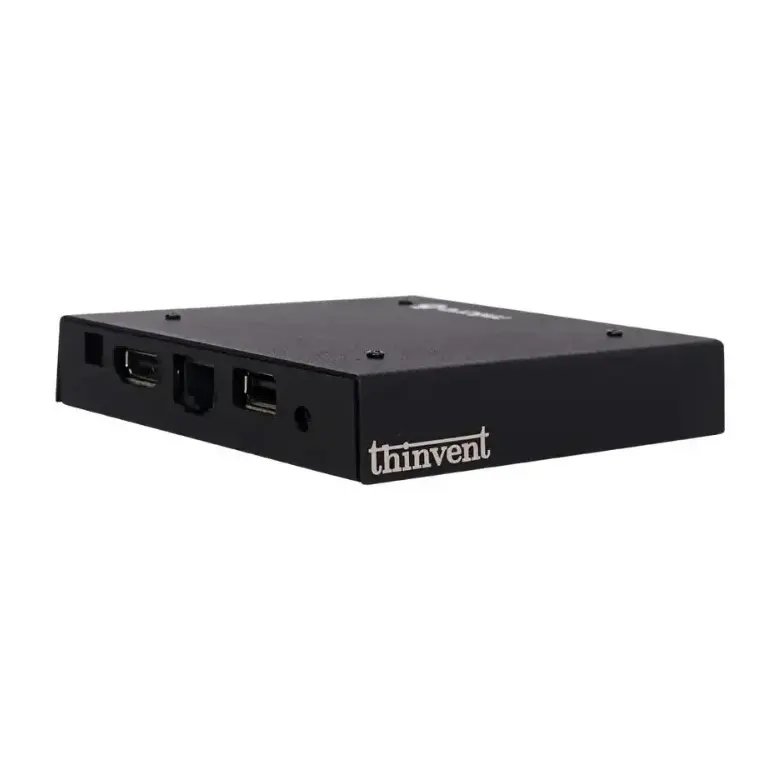
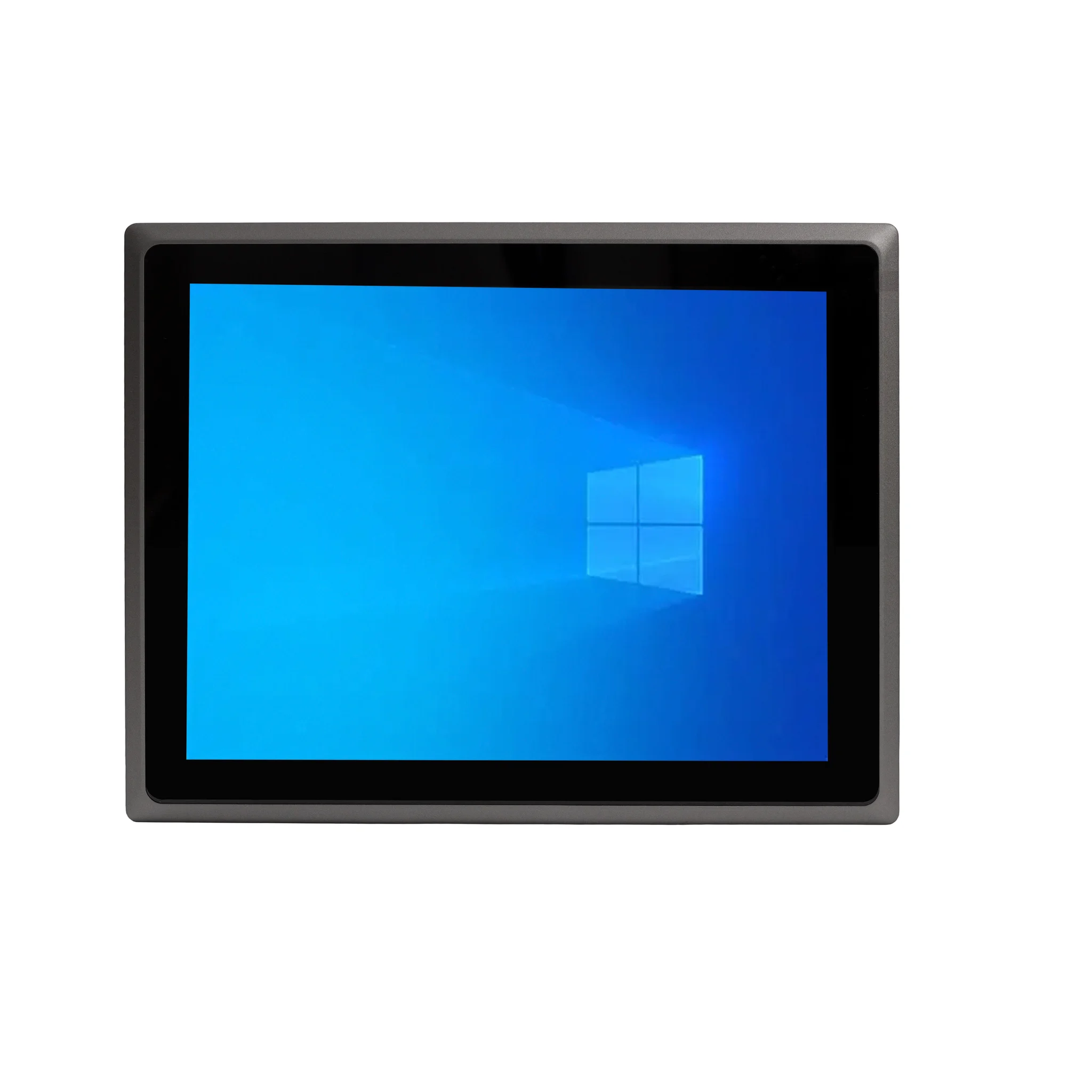
Thinvent manufactures industrial computers, mini PCs, thin clients, and all-in-one PCs built for exactly this kind of versatility. The Thinvent® Industrial PC IPC3, for example, pairs an Intel® Core™ i3-1215U processor (6 cores, up to 4.4 GHz, 10 MB cache) with 16 GB DDR4 RAM and a 1 TB SSD, and is available with Windows 11 Professional, Windows 11 IoT Value, Thinux™ Embedded Linux, or DOS. Configurations with quad DB9 serial ports support legacy industrial equipment, while fanless operation and a 12V 10A adapter make the IPC3 suitable for continuous use in factories, retail counters, and control rooms. Explore Thinvent's full range to find a universal computer matched to your workload.