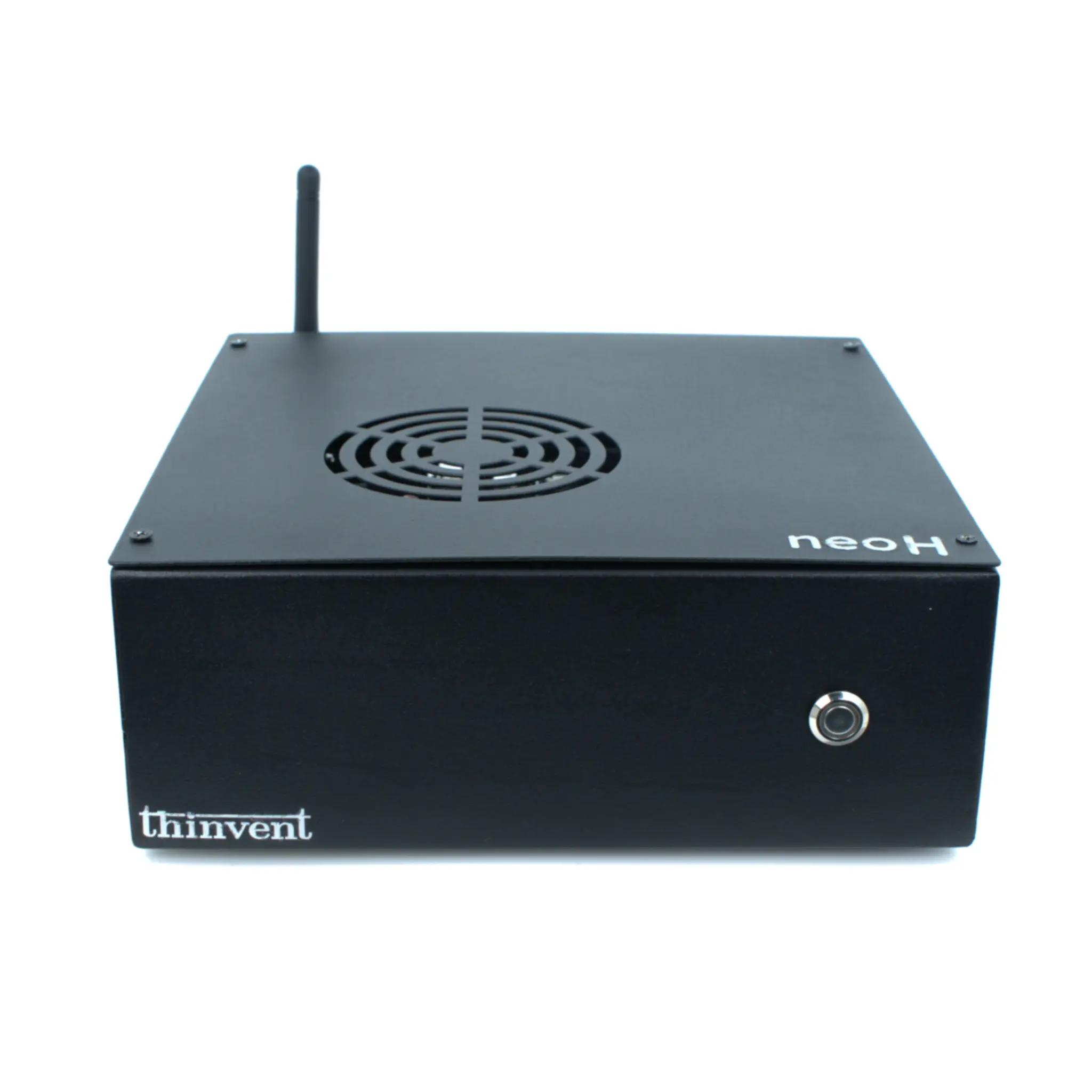
A USB storage server is a compact computing device designed to connect multiple USB storage drives (like external HDDs or SSDs) to a network, allowing multiple users to access, share, and back up files centrally. It acts as a dedicated, low-power network-attached storage (NAS) solution, often built on efficient mini PC or small form factor hardware. Unlike traditional bulky servers, these devices are valued for their small footprint, quiet fanless operation, and energy efficiency, making them ideal for office environments, home media centers, or small business backup systems.
Key Specifications for USB Storage Servers
The core requirements for an effective USB storage server focus on connectivity, processing power for file transfers, and storage management. Essential specifications include:
-
High-Speed USB Ports: Multiple USB 3.2 Gen 2 or USB-C ports are critical for connecting external drives without creating a data transfer bottleneck.
-
Ethernet Connectivity: A reliable Gigabit (1000 Mbps) Ethernet port ensures fast network throughput for multiple simultaneous users.
-
Processor & Memory: A modern, multi-core processor (like Intel's N-series) with 8GB to 16GB of RAM handles file-serving tasks, data redundancy checks (like RAID), and lightweight media transcoding efficiently.
-
Operating System: These servers often run lightweight, dedicated NAS operating systems like FreeNAS/TrueNAS Core, OpenMediaVault, or a streamlined Linux distribution (Ubuntu Server) for stability and low overhead.
Applications and Use Cases
USB storage servers are versatile solutions for various data-sharing needs:
-
Small Office/Home Office (SOHO): Provides a centralized location for shared documents, project files, and client data accessible by all team members.
-
Media Streaming & Plex Servers: Connects large-capacity drives to store media libraries, serving movies, music, and photos to smart TVs, tablets, and phones on the local network.
-
Automated Backup Destination: Acts as a target for scheduled backups from multiple computers using software like Veeam, Duplicati, or built-in OS tools.
-
Surveillance Video Storage: Can be integrated with IP camera systems to store continuous video recordings from multiple cameras.
Comparing USB Storage Server Configurations
| Feature | Basic File Server | Performance Media Server | Advanced Business Server |
|---|---|---|---|
| Primary Use | Simple file sharing, backups | 4K media transcoding, Plex | Multi-user office, light virtualization |
| Recommended CPU | Intel Celeron / N95, N100 | Intel i3 / N150 | Intel i5 / 12th Gen+ |
| Recommended RAM | 8 GB | 16 GB | 32 GB+ |
| Storage Connectivity | 4x USB 3.2 | 4x USB 3.2 + USB-C | Multiple USB-C + expansion options |
| OS Example | OpenMediaVault, FreeDOS | Ubuntu Linux, Windows 11 Pro | Windows 11 Pro, Proxmox VE |
Thinvent Solutions for USB Storage Servers
Thinvent's range of industrial mini PCs are perfectly suited to be repurposed as robust, reliable USB storage servers. Our fanless Aero Mini PC series, for example, features the efficient Intel N100 processor, multiple high-speed USB ports, and Gigabit Ethernet in a compact, durable chassis designed for 24/7 operation. Their silent operation and industrial-grade components make them superior to consumer-grade hardware for always-on storage server duties. We offer configurations with various operating systems—including Windows 11 Pro, Ubuntu Linux, or without an OS for your preferred NAS software—allowing you to build a custom storage solution that meets your exact performance, capacity, and software requirements.